What Are BTC addresses? How Do They Work?
A BTC address is essentially a cryptographic hash, generated using a combination of public and private keys.
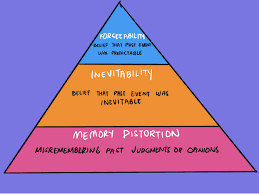
Hindsight bias is a common cognitive distortion that can affect memory, learning, and decision-making.
However, with the rise of crypto investments comes the responsibility of understanding tax implications.
SKATE is a new blockchain project designed to connect multiple virtual machines (VMs) across different blockchain networks.
Exabits is a decentralized computing network that aggregates global GPUs.
Heima (HEI) is a cryptocurrency token that emerged in January 2025 as part of a rebranding effort from Litentry (LIT).
It aims to offer a fast, efficient, and cost-effective platform for swapping digital assets while addressing critical challenges facing current DeFi systems, such as sustainability and composability.
The Crypto Bitcoin Bull Run Index (CBBI) is a crucial tool designed to assess the phase of Bitcoin's market cycle.
Nebra is a blockchain research and development organization focused on a specific but powerful technology: zero-knowledge proofs (ZKPs).
To make smaller transactions easier, bitcoins can be divided into smaller pieces. That is called Satoshi. In this short guide, we will explain to you how many Satoshis in a bitcoin. Let's find out.