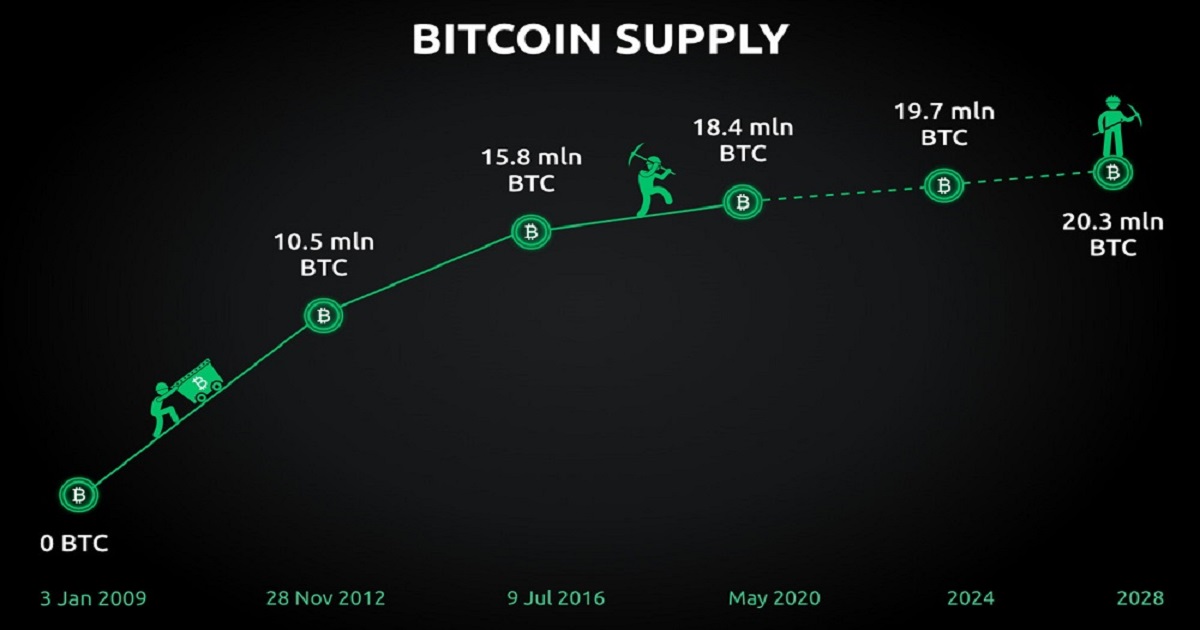
The ever-evolving Bitcoin network undergoes periodic adjustments to maintain a consistent block issuance rate. One crucial factor in this equation is the mining difficulty. But what is the latest Bitcoin mining difficulty, and how does it impact miners and the overall network health?
What is Bitcoin Mining Difficulty?
Imagine Bitcoin mining as a complex math puzzle. Miners compete to solve this puzzle first, and the winner gets rewarded with newly minted Bitcoins. The difficulty of this puzzle is what the "mining difficulty" refers to.
Why Does Difficulty Adjust?
Bitcoin's mining difficulty adjusts roughly every two weeks to ensure that new blocks are generated at an average rate of one every ten minutes. This ensures a predictable supply of new Bitcoins entering circulation.
Difficulty Increases with Hashrate: If the overall computing power (hashrate) dedicated to mining Bitcoin increases, the difficulty automatically adjusts to maintain the target block time.
Difficulty Decreases with Lower Hashrate: Conversely, if the hashrate drops, the difficulty adjusts downward to keep block times stable.
So, What is the Latest Bitcoin Mining Difficulty?
As of July 8th, 2024. the latest Bitcoin mining difficulty sits at approximately 79.50 trillion hashes per second (TH/s). This represents a recent decrease of roughly 5% compared to the difficulty level in early July.
What Caused the Difficulty Drop?
The recent decline in mining difficulty can be attributed to several potential factors:
Market Conditions: The recent dip in Bitcoin's price might have discouraged some miners from operating at a loss. This decrease in hashrate would trigger an automatic difficulty adjustment.
Geopolitical Events: Regulations or energy restrictions in major mining regions could also lead to a temporary decline in hashrate.
Impact of Lower Difficulty: Boon or Bane?
A lower mining difficulty might seem like good news for miners at first glance. It becomes easier to solve the mining puzzle, potentially increasing their chances of earning block rewards.
However, there are potential downsides to consider:
Increased Competition: A lower difficulty could attract more miners, leading to increased competition for block rewards. This could dilute the rewards for each miner, even if the hashrate doesn't reach previous highs.
Network Security Concerns: A significant decrease in hashrate could theoretically make the Bitcoin network more vulnerable to attacks. However, the current decrease appears to be relatively minor.
The Road Ahead: A Balancing Act
The recent drop in Bitcoin mining difficulty highlights the dynamic nature of the Bitcoin network. The difficulty adjustment mechanism plays a crucial role in maintaining a stable block issuance rate and network security.
Looking ahead, it will be interesting to see how the hashrate responds to the current difficulty level and how Bitcoin's price fluctuations might influence mining activity. The network will likely continue to adjust its difficulty to ensure a healthy balance between block issuance times and network security.
Bitcoin Mining Difficulty Drops: What is the Latest Bitcoin Mining Difficulty? - I hope this article was informative.