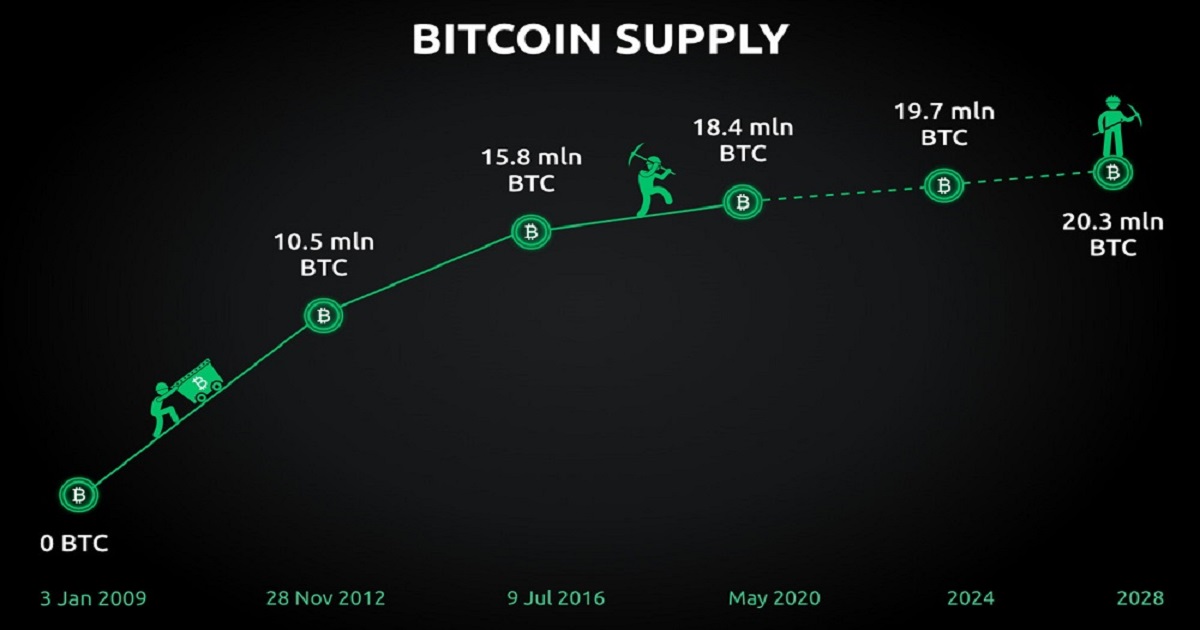
Bitcoin mining difficulty has recently reached a record high, increasing by 1.99% to 88.1 T. This adjustment reflects the growing computational power dedicated to securing the Bitcoin network. But does this increasing difficulty signal a robust and healthy network, or could it pose challenges for future miners?
What is Bitcoin Mining Difficulty and How Does it Change?
Bitcoin mining difficulty is a measure of how hard it is to find a valid block and earn the associated Bitcoin reward. The difficulty adjusts automatically roughly every two weeks to maintain a consistent block discovery rate of one block every ten minutes. Here's a breakdown of what this change signifies:
Network Security Boost: A rising difficulty indicates more miners are dedicating their computational resources to secure the Bitcoin network, potentially making it more resistant to malicious attacks.
Impact on Miner Profitability: As difficulty increases, the time and energy required to mine a block also increases. This can squeeze profit margins for miners, especially those using less efficient hardware.
Potential Entry Barrier: The rising difficulty could create a barrier for new miners entering the network, requiring them to invest in more powerful equipment to remain competitive.
Does High Difficulty Signal a Healthy Bitcoin Network?
A high mining difficulty can be interpreted as a positive sign for Bitcoin in a few ways:
Increased Network Security: A more robust network with greater computational power backing it discourages potential attackers and bolsters user confidence in Bitcoin's security.
Decentralization Indicator: The distributed nature of mining, with many participants contributing their computing power, is a core principle of Bitcoin. Growing difficulty suggests continued decentralization.
Hash Rate as a Network Health Metric: Mining difficulty adjustments are based on network hash rate, which represents the combined computational power of all miners. A high hash rate signifies a healthy and active network.
However, an excessively high mining difficulty can also raise some concerns:
Centralization Risks: If the cost of entry becomes too high, only miners with access to advanced hardware might be profitable, potentially leading to a more centralized mining landscape.
Environmental Impact: Bitcoin mining consumes a significant amount of energy. A rise in difficulty translates to increased energy consumption, raising environmental concerns.
The Future of Bitcoin Mining
The recent increase in mining difficulty reflects the growing adoption and security of the Bitcoin network. However, it is crucial to strike a balance between network security and accessibility. As Bitcoin evolves, finding ways to optimize mining efficiency and explore alternative energy sources will be essential to ensure the long-term sustainability of the network.
Bitcoin Mining Difficulty Hits New High: A Sign of Network Strength or Cause for Concern? - I hope this article was informative.