Bitcoin Price Prediction 2035 Long-range Bitcoin forecasts to 2035 have drawn growing attention from institutions and pundits alike. Recent surveys and firm models put multi-hundred-thousand to seven-figure outcomes on the table (Finder's panel average and new asset-manager models among them). Below I summarize the headline forecasts, the key assumptions behind them, and the major caveats investors must weigh.
What are the headline expert forecasts for 2035?
A few prominent numbers have circulated in 2025: Finder's expert panel average places BTC near about $1.02 million by the end of 2035 (panel of industry users). Bitwise — using an institutional-demand model — projects roughly $1.3M by 2035 as a base case. More aggressive, long-horizon models (eg, Fidelity research commentary from prior years) even floated multi-hundred-million to $1B scenarios on very long timeframes, though those are subject to much stronger caveats.
What assumptions drive bullish $1M+ forecasts?
The optimistic models typically rely on a few shared assumptions: • Large institutional allocation: modest percentage allocations from pension funds, insurance pools, endowments and sovereign wealth funds could mean trillions of chasing dollars limited supply.
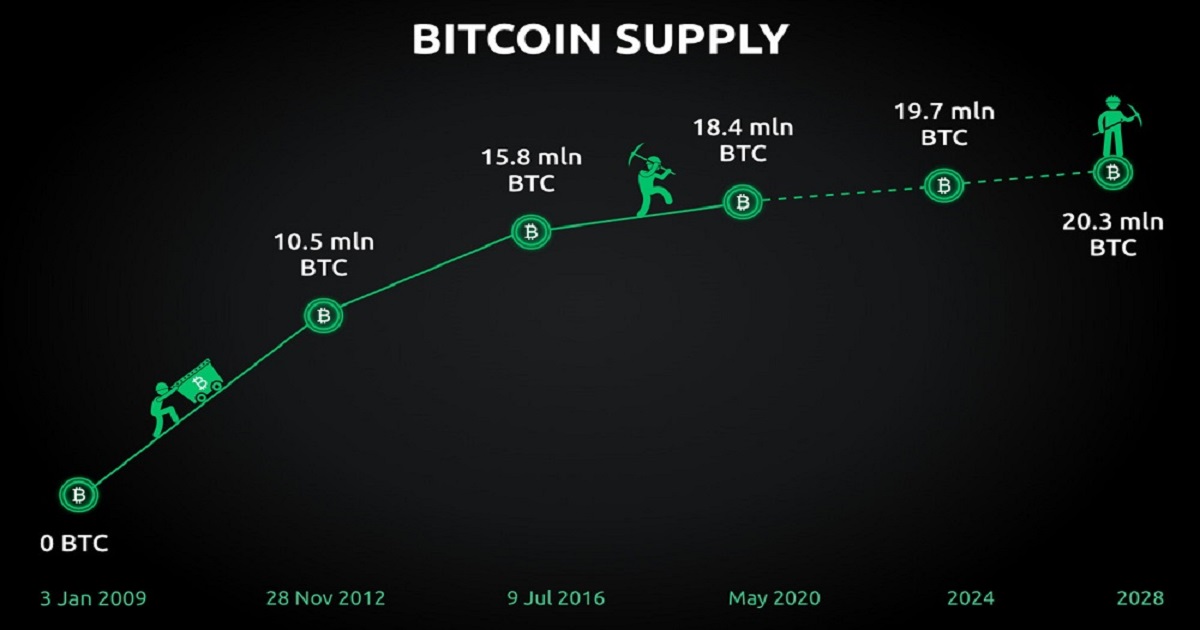
• Scarcity/halvings: Bitcoin's fixed 21M supply and periodic miner reward halvings create structural scarcity that models treat like a supply shock.
• Network effects: approaches using Metcalfe-type scaling (network value ≈ users^2) drive very large valuations when user count assumptions are high.
• Macro tailwinds: persistent fiat debasement, geopolitical risk, and demand for alternative stores of value.
What are the main arguments against those forecasts?
Big caveats include: • Regulation: harsher rules or outright bans in large jurisdictions would damage adoption and price.
• Substitution/competition: other technologies or monetary frameworks could emerge.
• Model fragility: Metcalfe and institutional-allocation scenarios are sensitive to input assumptions — tweak them slightly and price outcomes move dramatically.
• Market structure and liquidity: extreme concentration or changes in custody/derivatives markets can amplify drawdowns.
How should investors treat 10-year price models?
Use them as scenarios, not predictions. They're useful for stress-testing portfolio allocations and thinking about tail risks, but they shouldn't be treated as single-point forecasts. Diversify assumptions (flat/optimistic/pessimistic) and size positions based on risk tolerance and time horizon. If you're allocating for a 10-year view, combine macro hedging, dollar-cost averaging, and a plan for drawdowns.
Where do mainstream investors get uncomfortable?
Institutional adoption assumptions — how many pension funds or asset managers will actually allocate to Bitcoin and at what percent of AUM — are the most contentious inputs. So are legal/regulatory outcomes: a friendly ETF regime (already opening the door for trillions in flows) pushes prices higher; a clampdown would do the opposite. That binary sensitivity explains seriously why models publish ranges rather than single numbers.
Conclusion:
scenarios, not certainties Bitcoin Price Prediction 2035 headlines like $1.02M (Finder) or $1.3M (Bitwise) are anchored in credible assumptions (institutional demand, scarcity, network effects), and they help frame long-term scenarios. But they're not guarantees — model inputs and geopolitical/regulatory shifts matter hugely. Treat forecasts as one tool in a broader planning toolbox: scenario plan, size carefully, and keep risk management front and center.