Bitcoin's meteoric rise and dramatic crashes have captivated the world, leaving many wondering: where will the price go next? While a crystal ball might be the ultimate answer, a more realistic approach lies in analyzing Bitcoin price models. But can these models truly forecast the future of this volatile asset? Let's delve into the complexities and possibilities of modeling the Bitcoin price.
Technical Models: Charting the Past, Predicting the Future?
The most common type of Bitcoin price model is the technical model. These models rely solely on historical price and volume data, ignoring external factors like news or regulations. They use technical indicators and chart patterns to identify trends and predict future price movements. Popular examples include moving averages, Bollinger Bands, and Fibonacci retracements.
While technical models can be successful in the short term, their accuracy over longer periods is questionable. They often struggle to account for unforeseen events or changes in market sentiment, leading to inaccurate predictions. Additionally, relying solely on past data cannot guarantee future outcomes, as the market is constantly evolving.
Fundamental Models: Beyond the Charts
Fundamental models attempt to capture the intrinsic value of Bitcoin by considering factors beyond just price and volume. They might incorporate metrics like network activity, transaction fees, and the number of active users. Some models even delve into macroeconomic factors like inflation and global economic conditions.
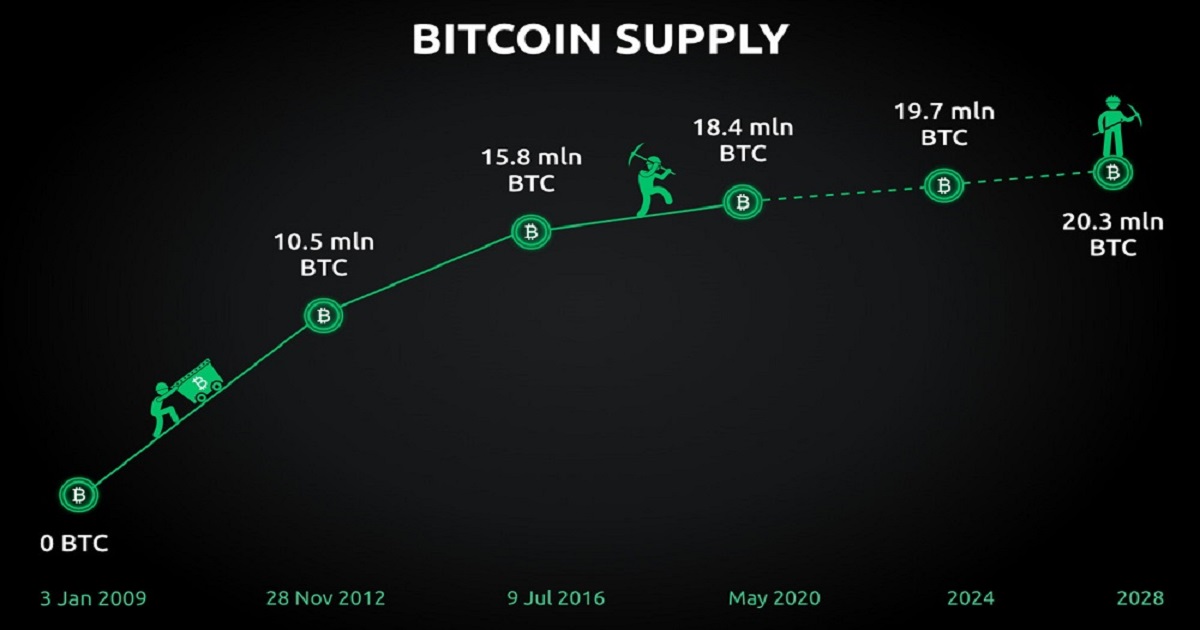
The Stock-to-Flow (S2F) model is a prominent example, using the ratio of Bitcoin's existing supply to its annual production to estimate future prices. While S2F has shown some historical accuracy, it faces criticism for oversimplifying complex market dynamics and neglecting important external influences.
The Challenges of Modeling Bitcoin's Price
Predicting Bitcoin's price is inherently difficult due to several factors:
- Volatility: Bitcoin is notoriously volatile, making its price movements difficult to anticipate with any certainty.
- Market Manipulation: The cryptocurrency market is susceptible to manipulation and pump-and-dump schemes, further adding to the unpredictability.
- Regulatory Uncertainty: The evolving regulatory landscape surrounding cryptocurrencies can significantly impact their price and value.
- Psychological Factors: Investor sentiment and FOMO (fear of missing out) can play a significant role in driving short-term price fluctuations.
So, Can We Predict the Bitcoin Price?
The short answer is: it depends. While no model can perfectly predict the future of Bitcoin's price, it can offer valuable insights into potential trends and market sentiment. Technical models can provide short-term trading signals, while fundamental models might shed light on the long-term potential of Bitcoin as an asset. However, it's crucial to remember that models are tools, not oracles. They should be used with caution, alongside a comprehensive understanding of the market and a healthy dose of skepticism.
Ultimately, the best approach to navigating Bitcoin's price volatility is to do your own research, diversify your portfolio, and invest responsibly. Remember, the future of Bitcoin is still being written, and any attempt to predict it is simply a best guess on a complex and evolving landscape.
Can We Predict the Bitcoin Price with Models? - I hope this article was informative.