Ether (ETH), the native cryptocurrency of the Ethereum network, is the second most popular digital token after bitcoin (BTC). In this article, we will discuss, "Ethereum Vs Bitcoin: What Are the Differences Between Bitcoin and Ethereum?" Let's get started.
Ethereum Vs Bitcoin: What Are the Differences Between Bitcoin and Ethereum?
Network Utility
Some experts say that the comparison between Ethereum and Bitcoin is like comparing electricity with gold.
The argument is that Bitcoin serves only as a store of value and has no other practical uses. On the other side, the Ethereum network offers practically endless potential. It is used to produce more cryptocurrencies, NFTs can freely trade there, and thanks to Ethereum's Flexible smart contract capabilities, the entire area of decentralized finance was introduced.
The High Gas Fees in Ethereum
Transaction fees are one area where ETH clearly falls short of BTC, at least temporarily. Although Ethereum-based transactions are frequently faster than Bitcoin transactions, the convenience comes at a high price known as gas fees.
These gas surcharges, which reimburse participants for authenticating transactions, might be obscenely high, especially for minor transactions.
While there are currently plans in place to increase scalability and reduce gas fees, as of 2023 the costs can still be prohibitive
Dynamics of skewed energy consumption
Following the conclusion of the Ethereum "Merge" in September 2022, the most recent distinction between Bitcoin and Ethereum has emerged. Both cryptocurrencies previously secured the blockchain using the proof-of-work, or PoW, process to validate transactions. BTC continues to employ proof-of-work (PoW), whereas Ethereum switched to a proof-of-stake (PoS) system with the eagerly anticipated Merge.
Following the switch to PoS, it is anticipated that the energy usage of the Ethereum network will decrease by more than 99%. One of the major complaints about cryptocurrencies in general has been their high energy consumption and significant carbon footprint, which directly ETH has now d addressed while Bitcoin has not.
Ethereum moving to PoS means that instead of using computing power to finalize the blockchain, validators must have a certain amount of Ether themselves to approve a block of transactions.
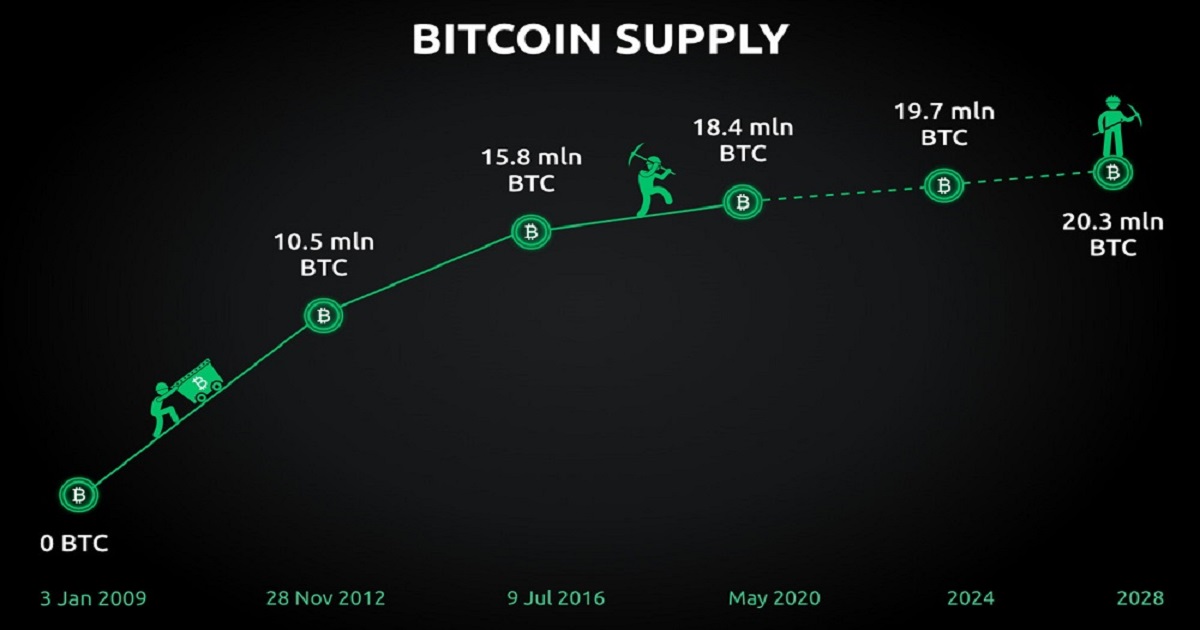
A Capped Vs. Unlimited Maximum Supply
While the Merge is expected to dramatically reduce the amount of new Ether produced every year, the fact remains that there's no hard limit.
Ethereum Vs Bitcoin: What Are the Differences Between Bitcoin and Ethereum? - Hopefully, this article can help you to get some knowledge.