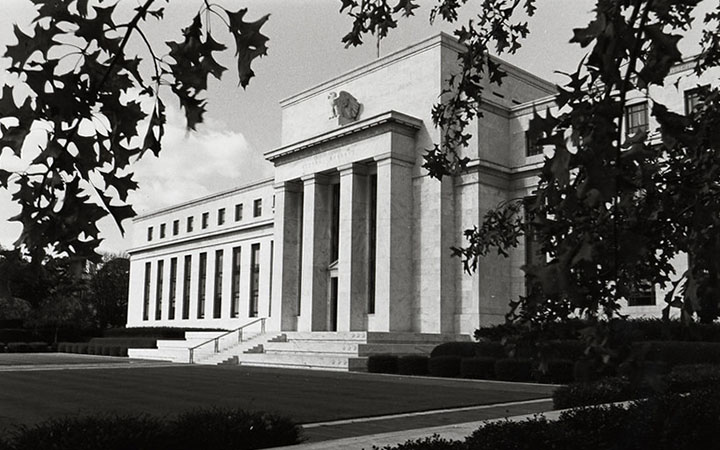
The Federal Reserve, the central bank of the United States, plays a crucial role in maintaining economic stability. One of its key tools to achieve this is by setting the federal funds rate, the interest rate at which banks lend reserve balances to each other overnight. Recent months have seen a series of interest rate hikes by the Fed, impacting various aspects of the economy.
Why is the Fed Raising Interest Rates?
The primary reason behind the Fed's recent interest rate increases is to combat inflation. Inflation refers to a sustained increase in the general price level of goods and services in an economy. As of April 2024. inflation remains a significant concern in the United States, exceeding the Fed's target range. By raising interest rates, the Fed aims to:
Slow Down Borrowing and Spending: Higher interest rates make borrowing more expensive, discouraging businesses and consumers from taking out loans. This, in turn, reduces the amount of money circulating in the economy, potentially leading to slower price increases.
Attract Investment: Higher interest rates can make saving and investing in dollar-denominated assets more attractive. This can lead to increased foreign investment in the US, strengthening the dollar and potentially putting downward pressure on import prices.
What are the Implications of Rising Interest Rates?
The Fed's interest rate hikes can have a widespread impact:
Borrowing Costs: Borrowing becomes more expensive, affecting mortgages, auto loans, and credit card interest rates.
Stock Market: Rising interest rates can lead to stock market volatility as investors weigh the impact of higher borrowing costs on corporate profits.
Economic Growth: While aiming to curb inflation, the Fed needs to be mindful not to raise rates too aggressively, as this could slow economic growth or even trigger a recession.
What is Next for Interest Rates?
The Federal Reserve's monetary policy decisions are data-driven. The future trajectory of interest rates will depend on how inflation responds to the recent hikes and other economic indicators. Market expectations, as of April 2024. suggest a high probability of continued interest rate increases in the coming months. However, the Fed will likely adjust its course based on evolving economic data.
In Conclusion
The Federal Reserve's interest rate hikes are a response to inflationary pressures in the US economy. While these hikes can have a dampening effect on borrowing and economic activity, they are aimed at achieving long-term price stability and sustainable economic growth. Understanding the Fed's actions and their potential impact is crucial for businesses, investors, and consumers alike.
Federal Reserve's Interest Rate Hikes: What is Next for Interest Rates? - I hope this article was informative.