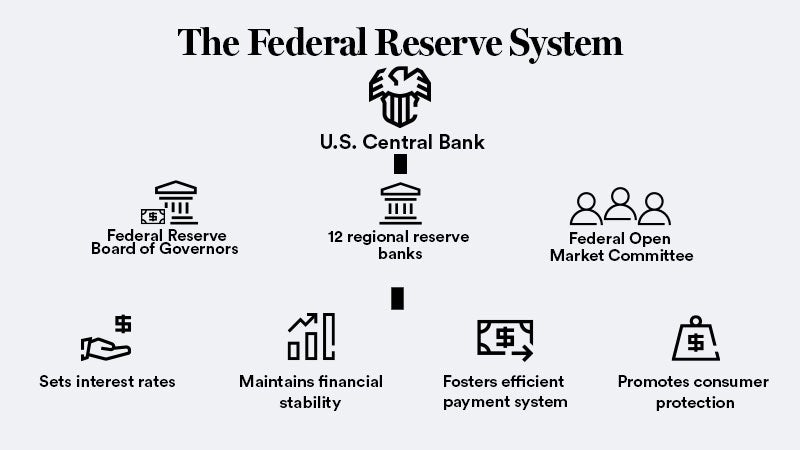
The Federal Reserve, the central bank of the United States, plays a pivotal role in maintaining economic stability and preventing financial crises. One of its key responsibilities is to oversee the nation's banking system, ensuring that banks are adequately capitalized and operating in a sound manner. However, banking crises can and do occur, even with the Federal Reserve's watchful eye.
What is a Banking Crisis?
A banking crisis is a situation in which a large number of banks are unable to meet their withdrawal obligations. This can occur when depositors lose confidence in a bank's solvency and rush to withdraw their funds. As more and more depositors withdraw their money, the bank may be unable to meet its obligations, leading to its failure.
What Causes Banking Crises?
There are many factors that can contribute to a banking crisis. Some of the most common causes include:
Economic downturns: When the economy weakens, borrowers may have difficulty repaying their loans, leading to losses for banks.
Asset bubbles: When asset prices, such as real estate or stocks, rise rapidly, banks may hold too much of these assets, making them vulnerable to losses if the bubble bursts.
Regulatory failures: Inadequate regulation or oversight of banks can allow them to take excessive risks or engage in fraudulent activities.
How Does the Federal Reserve Respond to Banking Crises?
The Federal Reserve has a number of tools at its disposal to respond to banking crises. These tools can be broadly divided into two categories:
Lender of last resort: The Federal Reserve can act as a lender of last resort, providing loans to banks that are unable to obtain funding from other sources. This helps to prevent banks from failing and to maintain stability in the financial system.
Monetary policy: The Federal Reserve can also use monetary policy, such as lowering interest rates, to stimulate the economy and make it easier for banks to lend.
The Federal Reserve's Role in Preventing Banking Crises
In addition to responding to banking crises, the Federal Reserve also takes steps to prevent them from occurring in the first place. These steps include:
Maintaining bank capital requirements: The Federal Reserve requires banks to hold a certain amount of capital in reserve, which helps them absorb losses during economic downturns.
Supervising banks: The Federal Reserve supervises banks to ensure that they are operating in a sound manner and complying with regulations.
Conducting stress tests: The Federal Reserve conducts stress tests on banks to assess their ability to withstand economic shocks.
Conclusion:
The Federal Reserve plays a critical role in maintaining financial stability and preventing banking crises. By using its tools to intervene during crises and taking steps to prevent them from occurring in the first place, the Federal Reserve helps to protect the financial system and the economy.
Federal Reserve's Role in Banking Crises: What Causes Banking Crises? - I hope this article was informative.