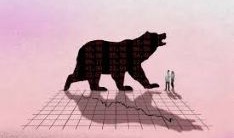
Market crashes feel catastrophic in the moment. Prices collapse, confidence evaporates, and headlines declare the end of an era. Yet Bitcoin’s history since 2013 shows a different pattern. For long-term investors, crashes have not been endpoints, but recurring stress tests. Understanding how these cycles work helps explain why many investors not only survive downturns, but emerge stronger.
What Is a Market Crash in Crypto?
A crypto market crash is a rapid and deep price decline, often ranging from 30% to over 80%. In Bitcoin’s case, these events have happened repeatedly, even during long-term uptrends. High-interest search terms like Bitcoin crash, crypto market crash, and crypto volatility tend to surge during these periods, reflecting widespread fear rather than structural collapse.
Why Do Crashes Happen So Often?
Bitcoin trades in a reflexive environment where liquidity, leverage, and sentiment amplify price moves. When optimism is high, prices overshoot. When fear takes over, forced selling accelerates losses. According to long-term market observers, these violent swings are not anomalies but features of a young, adoption-driven asset.
How Has Bitcoin Recovered After Major Crashes?
Since 2013, Bitcoin has experienced multiple drawdowns exceeding 70%. Each time, it was followed by a recovery to new highs over subsequent years. This pattern explains why terms like Bitcoin price, bull market, and bear market consistently rank among the most searched crypto topics. The long-term trend has been driven less by smooth growth and more by cycles of excess and correction.
What Role Does Time Play in Survival?
Time is the most important variable. Investors who remained exposed through downturns benefited from compounding adoption and network growth. This is why concepts such as HODL, long-term investing, and time in the market remain central to crypto culture. Short-term pain has historically been the cost of long-term participation.
How Should Investors Manage Risk During Crashes?
Survival depends on position sizing and emotional control. Overexposure and leverage often turn temporary drawdowns into permanent losses. Long-term investors typically focus on risk management, avoid forced liquidation, and accept volatility as unavoidable. Search interest in buy the dip and dollar cost averaging often spikes during crashes, reflecting attempts to lower average entry prices rather than time exact bottoms.
Why Do Emotions Matter More Than Price?
Crashes test psychology more than analysis. Fear, regret, and self-doubt peak near market lows. Investors who react emotionally tend to sell when uncertainty is highest. Those with clear conviction and a long-term framework are better equipped to endure volatility without abandoning their strategy.
Conclusion
Bitcoin’s history since 2013 shows that crashes are not exceptions — they are part of the structure. Long-term investors survive not by predicting bottoms, but by managing risk, controlling emotions, and staying invested through uncertainty. While each crash feels different, the lesson remains consistent: volatility is the price paid for long-term opportunity.