Bitcoin (BTC) and Ethereum (ETH) are arguably the two most popular cryptocurrencies out there and have greatly contributed to the sector’s growth. This article will show you how is ethereum different from bitcoin and what is special about Ethereum.
How is ethereum different from bitcoin
Both Bitcoin and Ethereum share similarities: They are assets based on a publicly displayed distributed ledger called a blockchain and could be stored in digital wallets, use alphanumeric strings as addresses and are traded on cryptocurrency exchanges.
Both BTC and ETH are decentralized cryptocurrencies, meaning they are not issued or regulated by central banks or other financial authorities. Instead, they rely on computers running copies of their networks, known as nodes, to ensure every network participant is on the same page.
There are notably crucial differences between both cryptocurrencies. These differences set them apart and have led to various debates in which some argue BTC and ETH are competitors. In reality, they may complement each other because they serve different purposes. BTC may be used as a store of value, while ETH is used to interact with applications built on the Ethereum blockchain. In a portfolio, BTC may be used to preserve value and as a safe haven, while ETH could be used to access decentralized financial (DeFi) services. A safe haven is an asset whose value is expected to be preserved or to rise during market downturns.
While Bitcoin serves as a digital equivalent of gold used to store value, Ether is used to power the Ethereum network and its applications. Bitcoin transactions are monetary in nature but transactions can have notes and messages affixed to them by encoding these notes or messages into data fields in the transactions. Ethereum transactions can contain executable code to create smart contracts or interact with self-executing contracts and applications built using them.
What is Bitcoin (BTC)?
Bitcoin is seen as digital gold because it is scarce and durable like the precious metal, but it can be easily stored and divided. Ethereum is seen as a decentralized computer for the world because the network is used to run decentralized applications (DApps), meaning applications that aren’t under the control of a central authority.
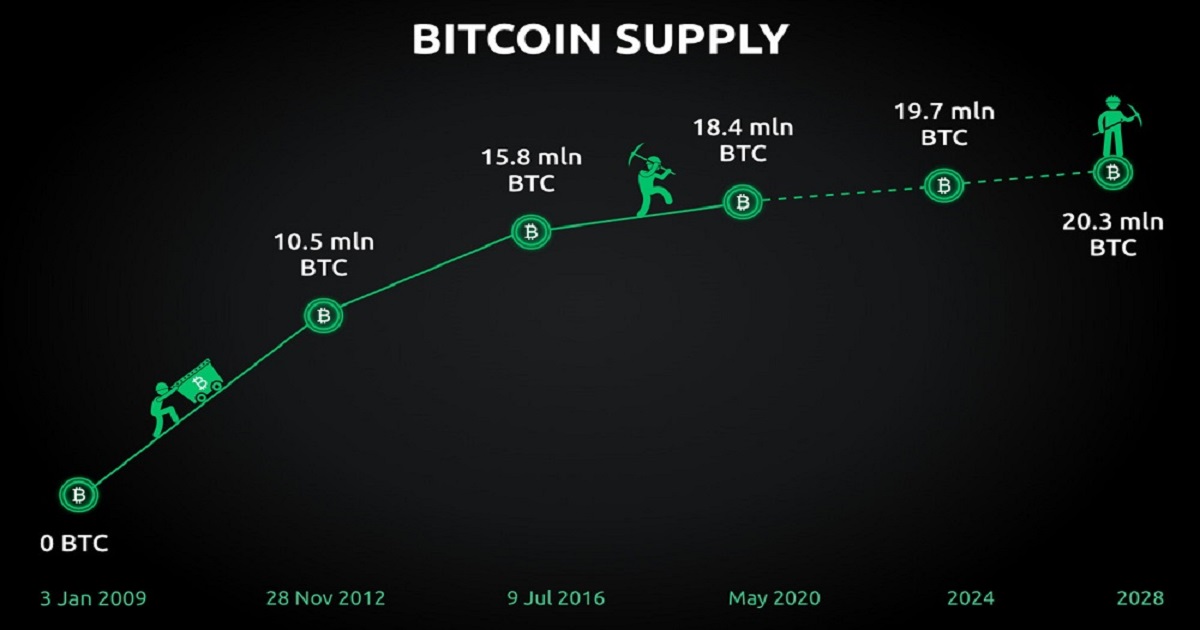
Bitcoin was the first cryptocurrency to be launched that functions independently of any central authority. The first block of data on its blockchain, known as the genesis block, was mined in January 2009 by its pseudonymous creator Satoshi Nakamoto. Since then, Bitcoin’s adoption has been steadily growing over time. Bitcoin was created as a peer-to-peer (P2P) electronic cash system, which means that transactions can be conducted without any central authority.
Bitcoin was the first cryptocurrency based on decentralized ledger technology (DLT) called the blockchain. Blockchain technology solved a number of problems, including the Byzantine Generals Problem, which describes the difficulty decentralized systems have on agreeing on a single truth. To overcome the Byzantine Generals Problem, Bitcoin employs a proof-of-work (Pow) method and a blockchain. The multiple miners, who all have the role as generals, solve the difficulty. Each node makes an effort to validate transactions that are identical to communications sent to generals.
What is special about Ethereum?
While Bitcoin uses blockchain technology for monetary transactions and allows nodes and messages to be attached to each transaction, Ethereum takes it a step further by using the blockchain to create a decentralized computer. Ethereum is a decentralized open-source and distributed blockchain network powered by its native cryptocurrency, Ether (ETH), used to make transactions and interact with applications built on top of the Ethereum network. In July 2015, the Ethereum network was launched as one of the most ambitious projects in the crypto space with the goal of decentralizing everything on the internet. Ethereum is a decentralized platform without a governing central authority that uses PoW to ensure malicious actors aren’t able to tamper with the blockchain data.
Closing thoughts
On the one hand, when measured in various metrics, Bitcoin and Ethereum are the top two cryptocurrencies. On the other hand, the base Bitcoin and Ethereum networks both suffer from scalability issues. While Bitcoin handles on average seven transactions per second, the Ethereum network is able to handle around 30 transactions per second. In comparison, Visa handles around 1,700 transactions per second while claiming to be able to scale to 24,000.
How is ethereum different from bitcoin and what is special about Ethereum? Hope you can get a further understanding about this topic after reading this article.