Understanding inflation and its impact on investments, especially in the cryptocurrency realm, is essential for any astute investor. Inflation has the potential to erode the value of money over time, affecting purchasing power and investment returns. In this article, we'll delve into The calculation of the inflation rate, demystifying the process, and exploring its significance in the context of cryptocurrency investments.
The Inflation Rate Calculation
The inflation rate is a crucial economic indicator that measures the average price increase of goods and services in an economy over a specific period. This calculation involves several key steps:
Step 1: Select the Basket of Goods
To calculate the inflation rate, a representative "basket" of goods and services is chosen. This basket reflects the typical spending habits of the population and encompasses items such as food, housing, transportation, and healthcare.
Step 2: Collect Price Data
For the chosen basket of goods, the prices are collected at two different points in time: the current period (often referred to as the "current year") and the base period (a previous year used as a reference point).
Step 3: Apply the Price Index Formula
The price index formula is used to calculate the inflation rate. The Consumer Price Index (CPI) and the Producer Price Index (PPI) are commonly used indices to measure inflation. The formula is as follows:
Inflation Rate = ((Price Index in Current Year - Price Index in Base Year) / Price Index in Base Year) × 100
The Significance for Cryptocurrency Investors
Understanding the calculation of the inflation rate holds particular importance for investors in the cryptocurrency space. Cryptocurrencies, often touted for their potential to hedge against traditional currency devaluation, can still be affected by broader economic trends, including inflation.
Inflation's Impact on Cryptocurrency Investments
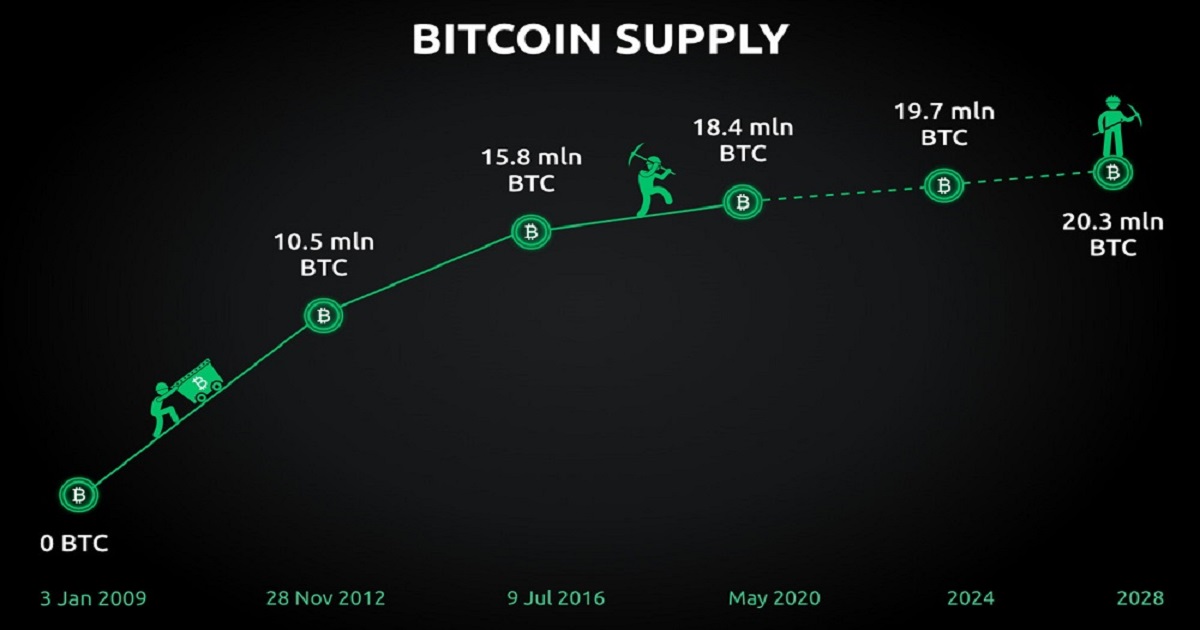
While some cryptocurrencies, like Bitcoin, have a capped supply, meaning that the total number of coins that will ever exist is fixed, others may not have such limitations. Inflation in the broader economy can indirectly impact cryptocurrency investments by affecting investor sentiment and overall market trends.
Example Scenario:
Imagine you are considering investing in a cryptocurrency with a fixed supply. While the cryptocurrency itself may not be subject to traditional inflation, the broader economic environment can still influence its value. If the inflation rate in traditional economies rises sign significantly, investors might turn to cryptocurrencies as a potential store of value, driving up demand and prices.
Making Informed Investment Decisions
For cryptocurrency investors, the ability to anticipate and react to market trends is vital. Monitoring the inflation rate, even if it doesn't directly impact the cryptocurrency's supply, can provide insights into broader economic shifts that might indirectly influence investment decisions.
Conclusion:
As the world of cryptocurrency continues to evolve, its interactions with traditional economic factors like inflation become more apparent. Understanding how the inflation rate is calculated is a foundational step for any investor, as it provides insight into the broader economic landscape. While cryptocurrencies may offer Innovative solutions to financial challenges, they are not entirely immune to the effects of inflation and economic trends. As you navigate the complex world of cryptocurrency investments, remember that staying informed about inflation can help you make well-rounded decisions that consider both the unique attributes of cryptocurrencies and the broader financial environment.
How Is Inflation Rate Calculated: The Inflation Rate Calculation - I hope this article was informative.