logo
  • menu
  • Markets
  • ETFs
  • Live
  • Spot
  • Futures
  • Bots
  • Learn
  • Sign In
  • Sign Up
  • Downloads
  • English
  • |
  • USD
  • |
Sign Up
Crypto PricesLearnLatest NewsDownloadsMarketsSpotAnnouncements
Home/
Learn/
Crypto Basics

How liquid is Bitcoin? Factors That Impact Bitcoin Liquidity

By Jerry McNeill
Jul 2, 2024
4.1 
★
★
★
★
★
★
★
★
★
★
 282 User Rating
Share

The ability to quickly and affordably turn assets into cash is referred to as liquidity. How liquid is bitcoin, then? Let's see.

Is Bitcoin Liquid or Illiquid?

How liquid is Bitcoin? At least most of the time, Bitcoin might be viewed as being quite liquid in comparison to many other asset types.

Because market conditions are always changing, the phrase "most of the time" is crucial. For instance, it may be claimed that Bitcoin has a high amount of liquidity on an ordinary day. But depending on market conditions, this might not be true during times of crisis and panic selling, or during periods of euphoria and panic buying.

When attempting to determine liquidity, it is also important to which exchange an investor trades Bitcoin on. The more traders and the higher volume of an exchange, the greater Bitcoin's relative liquidity.

Factors That Impact Bitcoin Liquidity

These are a few of the most significant factors that can influence the liquidity of Bitcoin.

1. Volume

In the financial markets, volume refers to the amount of an asset that is exchanged over a specific period of time (eg, daily volume). Liquidity tends to rise with more volume, which also tends to reduce volatility's effects. Liquidity can, however, decrease when the volume is reduced.

2. Exchanges

The operation of crypto exchanges depends on liquidity. There are more markets for people to buy and sell bitcoin the more reliable exchanges there are. This results in more Bitcoin being traded overall, which increases liquidity. early days of cryptocurrency. But as the crypto space has grown, so has its capacity for trading.

3. Storage

One interesting factor affecting Bitcoin liquidity is how people store their digital assets. This is a factor that is unique to cryptocurrency and doesn't have much relevance to other assets, like stocks. But because Bitcoin is a scarce digital commodity, the way it is stored matters in relation to liquidity.

People who hold large amounts of Bitcoin tend to be fans of something called cold storage, which involves holding the private keys to a crypto wallet offline. This method is thought to make coins less vulnerable, as they typically cannot be accessed by hackers or thieves of any kind. But if coins are held offline, they are effectively off the market, and therefore reduce liquidity.

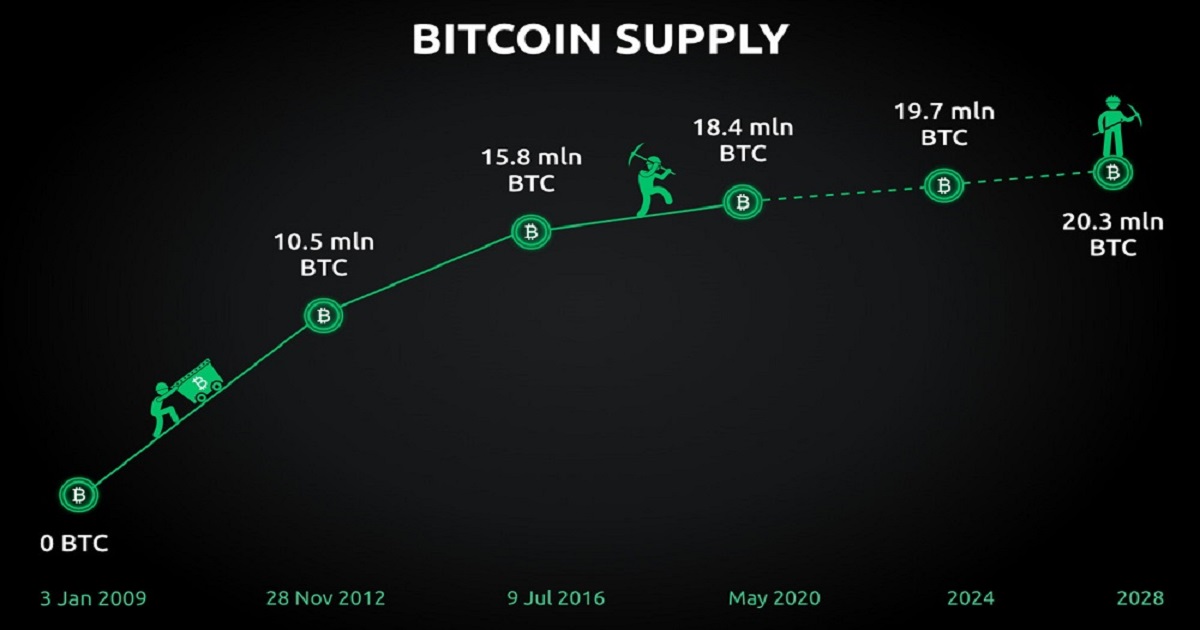
Roughly three-quarters of the total Bitcoin supply was illiquid as of the beginning of 2022.

4. Volatility

Volatility and liquidity may be intimately intertwined. If one or more big traders are buying or selling a lot of assets, a lack of liquidity can cause volatility to rise. If there is a limited supply of an asset on the order books, those actions could cause prices to change quickly, either up or down.

It requires more capital to move the market when there is a huge supply of an asset and numerous large orders. In addition, as panic selling occurs and bid/ask spreads widen, an increase in volatility can also result in a decrease in liquidity.

Higher liquidity typically results in lower overall volatility. This is part of the reason why Bitcoin used to fall or rise by significant percentages, often within a single day. Such moves are less common now, though cryptos remain highly volatile assets.

Hopefully, reading this article, "How liquid is Bitcoin? Factors That Impact Bitcoin Liquidity," can help you to understand it better.


Disclaimer: The information on this page may have been obtained from third parties and does not necessarily reflect the views or opinions of BitKan. This content is provided for general informational purposes only, without any representation or warranty of any kind, nor shall it be construed as financial or investment advice. BitKan shall not be liable for any errors or omissions, or for any outcomes resulting from the use of this information. Investments in digital assets can be risky. Please carefully evaluate the risks of a product and your risk tolerance based on your own financial circumstances. Products mentioned in this article may not be available in your region.

Related Articles

  • Crypto Trading Bots: What Are They and How Do They Work?

    Crypto Trading Bots: What Are They and How Do They Work?

    A crypto trading bot is a software application designed to automate the process of buying and selling digital assets, acting as an interface between the user and a cryptocurrency exchange.
    Cornell Rachel
    Jun 26, 2026
  • What Is Rehypothecation Risk in Crypto? How to Protect Yourself

    What Is Rehypothecation Risk in Crypto? How to Protect Yourself

    Rehypothecation is a practice where a lending platform takes collateral pledged by its clients and uses it for its own purposes.
    James Dean
    Jun 17, 2026
  • What Are Crypto Prediction Markets? A Complete Guide for Beginners

    What Are Crypto Prediction Markets? A Complete Guide for Beginners

    Crypto prediction markets are peer-to-peer decentralized financial platforms where participants trade contracts tied to the outcomes of real-world events, such as elections, sports, or economic data releases.
    Jun 12, 2026

Latest Articles

Crypto Basics

Tutorials

Currencies

Investing

  • What Is Cross-Chain Interoperability? How Does It Function?

    What Is Cross-Chain Interoperability? How Does It Function?

    Cross-chain interoperability is the technological capability of independent blockchain networks to securely exchange assets, data, and functional instructions without central intermediaries.
    Jerry McNeill
    Jul 8, 2026
  • What Are Keyloggers? How Do They Drain Your Crypto?

    What Are Keyloggers? How Do They Drain Your Crypto?

    A keylogger is a specialized form of spyware designed to systematically record every keystroke pressed on a compromised device.
    Wayne Ingram
    Jul 6, 2026
  • What is Maximal Extractable Value in crypto? How Do We Avoid MEV?

    What is Maximal Extractable Value in crypto? How Do We Avoid MEV?

    Maximal Extractable Value (MEV), formerly known as Miner Extractable Value, is the maximum value that can be extracted from block production by including, excluding, or reordering transactions within a block, in addition to standard block rewards and gas fees.
    Jerry McNeill
    Jul 1, 2026
  • Crypto Trading Bots: What Are They and How Do They Work?

    Crypto Trading Bots: What Are They and How Do They Work?

    A crypto trading bot is a software application designed to automate the process of buying and selling digital assets, acting as an interface between the user and a cryptocurrency exchange.
    Cornell Rachel
    Jun 26, 2026
  • What Are Appchains? How Do Application-Specific Blockchains Work?

    What Are Appchains? How Do Application-Specific Blockchains Work?

    Appchains are blockchains built to support a single application, providing dedicated resources instead of competing for block space with other decentralized applications.
    Jerry McNeill
    Jun 25, 2026
View more data 

Content

BTCBTC(BTC)
$0
--(Last 24h)
SpotFutures

Top

View more
  1. 1How To Sign Up For A BitKan Account (Web)?
  2. 2When Is Bitcoin Halving 2024? What Does Bitcoin Halving Do?
  3. 3What is Etherscan Used For and How to Find Token Decimal on Etherscan
  4. 4What is USDC used for? Why is USDC used?

Top Gainers

View more
Space and Time
Space and TimeSXT

$0.0105

+34.31%
Billions Network
Billions NetworkBILL

$0.0600

+24.78%
TRIA
TRIATRIA

$0.0102

+24.18%
Collector Crypt
Collector CryptCARDS

$0.1672

+17.27%
Bitlight
BitlightLIGHT

$0.1281

+13.86%

Top Trending

View more
Lido DAO
Lido DAOLDO

$0.3265

+5.19%
Alephium
AlephiumALPH

$0.0399

-1.75%
Curve DAO
Curve DAOCRV

$0.2235

+8.18%
Hyperliquid
HyperliquidHYPE

$63.8370

-2.61%
Block Street
Block StreetBSB

$0.1378

+12.48%

Recently added

View more
SK Hynix
SK HynixSKHYB

$163.500

+5.22%
Cash Cat
Cash CatCASHCAT

$0.1838

+12.03%
Cerebras
CerebrasCBRSB

$207.030

-0.12%
Invesco QQQ Trust
Invesco QQQ TrustQQQB

$717.000

-0.13%
Palantir
PalantirPLTRB

$128.330

+0.67%

Latest News

View more
  1. 1Stablecoin Market Drops $10B, Analysts Downplay Concerns
  2. 2New SEC Crypto Rule to Cut Red Tape for Startup Fundraising
  3. 3White House Admits Federal Bitcoin Fund is Still Delayed
  4. 4USDC Dominates Tether USDT in Stablecoin Volume Race
  5. 5Ether Leads Crypto Jump; Bitcoin Holds Firm Above $63K
About Us
  • About BitKan
  • Contact Us
  • Announcements
  • VIP Program
  • BitKan Ambassador
  • Institutional Services
Products
  • Spot
  • Futures
  • Crypto Prices
  • Learn
  • News
  • Markets
  • How to Buy Crypto
  • BTC to USD Calculator
  • Reward
Help
  • Help Center
  • Email Us
  • Live Chat
  • Download APP
  • Listing Application
  • Buy Bitcoin
  • Buy Ethereum
  • Buy Dogecoin
  • Buy Altcoins
Terms
  • Terms of Use
  • Privacy Policy
  • Trading Rules
  • Fee
K-Site
English
About Us
+
  • About BitKan
  • Contact Us
  • Announcements
  • VIP Program
  • BitKan Ambassador
  • Institutional Services
Products
+
  • Spot
  • Futures
  • Crypto Prices
  • Learn
  • News
  • Markets
  • How to Buy Crypto
  • BTC to USD Calculator
  • Reward
Help
+
  • Help Center
  • Email Us
  • Live Chat
  • Download APP
  • Listing Application
  • Buy Bitcoin
  • Buy Ethereum
  • Buy Dogecoin
  • Buy Altcoins
Terms
+
  • Terms of Use
  • Privacy Policy
  • Trading Rules
  • Fee
K-Site
+
  • Twitter
  • Facebook
  • Telegram
  • YouTube
  • Instagram
  • Medium
  • Linkedin
@2012-2026 BITKAN.com