Bitcoin, the world's first and most prominent cryptocurrency, has revolutionized the financial landscape with its decentralized and secure nature. However, one aspect of Bitcoin that has sparked curiosity and debate is the concept of lost or inaccessible coins.
Lost BTC wallets, referring to those with forgotten private keys or hardware malfunctions, hold a significant portion of the total Bitcoin supply. Understanding the impact of lost BTC wallets on the Bitcoin economy is crucial for assessing the long-term viability and value of this digital asset.
The Extent of Lost BTC Wallets: A Significant Portion of the Total Supply
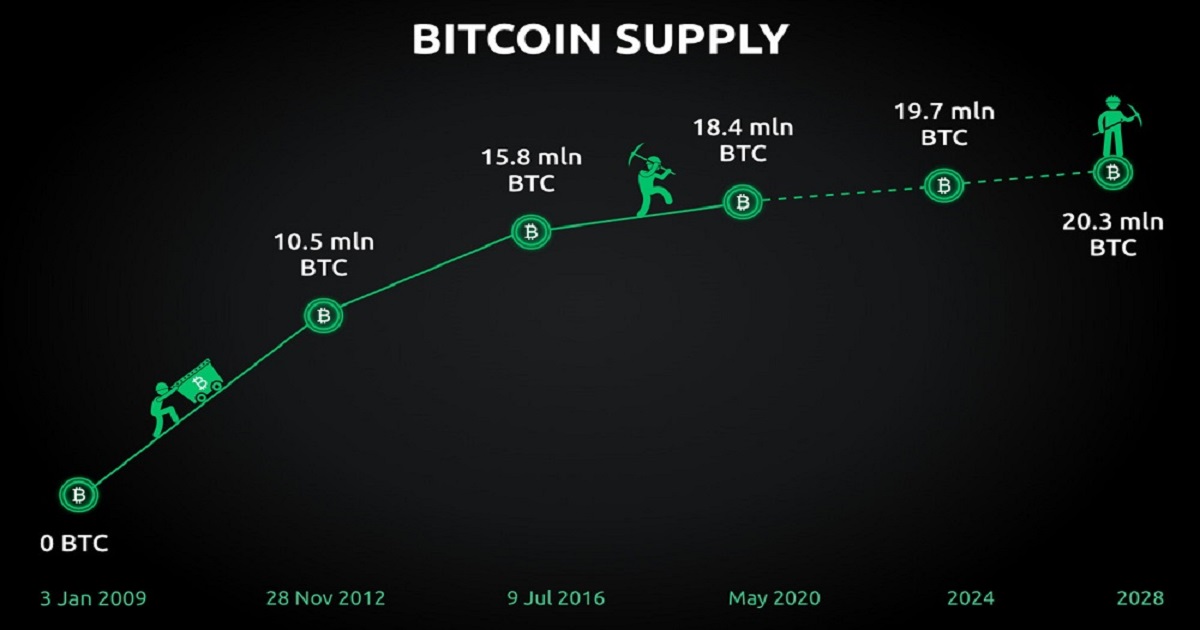
Estimates suggest that a substantial amount of Bitcoin, potentially between 20% and 30% of the total supply, is held in lost or inaccessible wallets. These lost coins are effectively removed from circulation, influencing the overall supply and demand dynamics of Bitcoin.
Impact on Bitcoin's Scarcity and Price Volatility
The loss of BTC contributes to the asset's scarcity, as the circulating supply is reduced. This scarcity can potentially drive up the price of Bitcoin, as demand remains high while the available supply diminishes. However, the impact of lost BTC on price is complex and Influenced by various factors, including overall market sentiment, adoption rate, and regulatory developments.
Potential Threat to Bitcoin's Long-Term Viability
The loss of a significant portion of Bitcoin could pose potential challenges to the long-term viability of the cryptocurrency. As more coins become lost, the circulating supply may eventually become too limited to support a robust and functional network. This could lead to increased transaction fees, slower confirmation times, and potential network congestion.
Security Lessons and the Role of Self-Custody
The irreversible loss of BTC highlights the importance of security in the cryptocurrency space. It emphasizes the need for robust wallet management practices, such as secure storage of private keys and backup procedures. Additionally, it encourages individuals to carefully consider the risks and responsibilities associated with self-custody of digital assets.
The Rise of Lost Coin Recovery Services
The substantial amount of lost BTC has given rise to a growing industry of lost coin recovery services. These companies employ various techniques, such as social engineering and specialized software, to attempt to recover access to lost BTC wallets. However, the success rate of these services vary, and they often involve significant fees.
Conclusion:
The loss of BTC wallets presents a complex issue with far-reaching implications for the Bitcoin economy and its long-term viability. While lost coins contribute to Bitcoin's scarcity and potentially drive up its price, they also pose potential threats to the network's functionality and overall adoption. Understanding the impact of lost BTC wallets is crucial for making informed decisions about investing in and utilizing this revolutionary digital asset.
How Lost BTC Wallets Can Influence the Bitcoin Economy - I hope this article was informative.