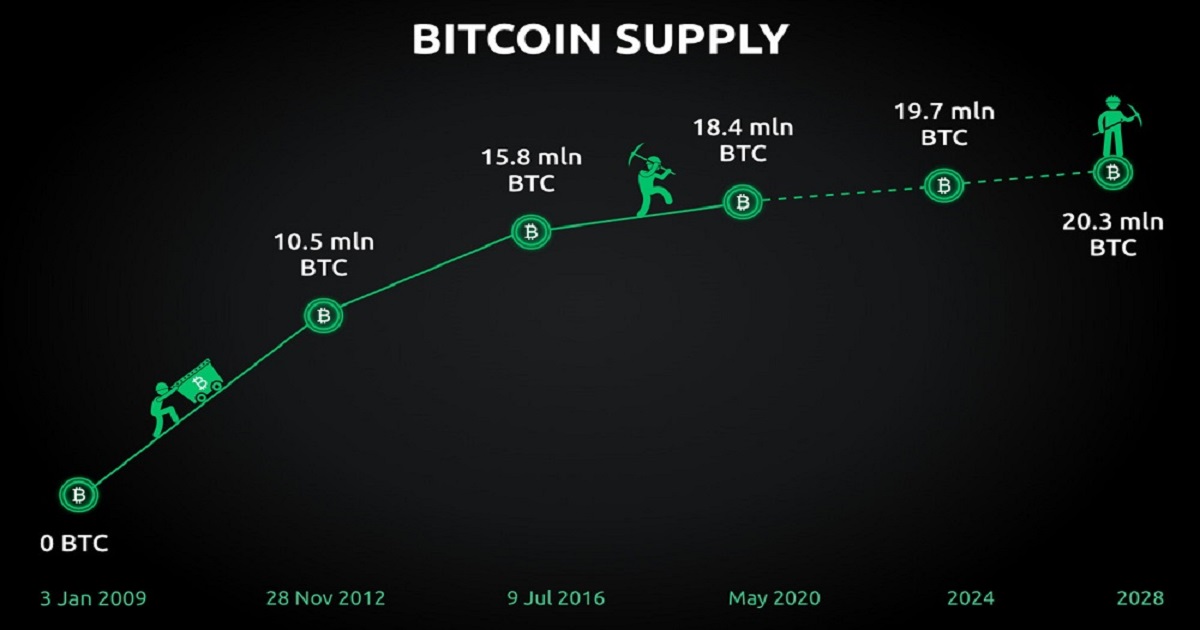
Bitcoin, the pioneering cryptocurrency, has revolutionized finance. However, with its decentralized nature comes a unique challenge: lost coins. Since there is no central authority tracking ownership, some Bitcoins have vanished over the years. But how many exactly?
Can Bitcoins Truly Be Lost?
Before diving into numbers, it is important to understand what it means for a Bitcoin to be lost. Unlike physical cash, Bitcoins are not truly gone. They still reside on the blockchain, inaccessible due to a missing key component – the private key. This private key acts like a password, granting the owner access to their Bitcoin holdings. Without it, the Bitcoins are essentially trapped in a digital vault.
There are several reasons why Bitcoins might be lost:
Forgotten Private Keys: In Bitcoin's early days, many users may not have anticipated its future value. Consequently, they might have stored private keys on unsecured devices or simply forgotten them altogether.
Hardware Failure: Private keys can be stored on physical hardware wallets. If such a device malfunctions or gets damaged, and no backups exist, the associated Bitcoins become inaccessible.
Accidental Transactions: Sending Bitcoins to an incorrect address results in permanent loss, as there's no way to retrieve them.
So, How Many Bitcoins Are Lost?
Estimating the exact number of lost Bitcoins is challenging. The pseudonymous nature of Bitcoin transactions makes it impossible to definitively track ownership or identify lost coins. However, several analyses paint a picture of significant losses.
Expert Estimates: Chainalysis, a blockchain forensics company, estimated in 2020 that around 3.7 million Bitcoins could be lost forever. This represents roughly 19% of the total Bitcoins in circulation at the time.
Early Bird Losses: Since Bitcoin's value was low in its early years, users might have been less careful with their private keys. This suggests a higher percentage of lost coins from that era.
What Impact Do Lost Bitcoins Have?
Lost Bitcoins have a twofold impact on the Bitcoin ecosystem:
Scarcity and Price: With a finite supply of 21 million Bitcoins, lost coins contribute to an even scarcer circulating supply. This scarcity can theoretically drive up the price of remaining Bitcoins.
Network Security: While lost Bitcoins themselves don't affect network security, the underlying reasons for their loss could. For instance, if private keys are compromised due to hacking or malware, it could pose a security risk to the network.
The Future of Lost Bitcoins
The concept of permanently lost Bitcoins might seem daunting. However, advancements in technology could offer a glimmer of hope.
Quantum Computing: While still in its early stages, the potential of quantum computing could unlock previously inaccessible private keys in the future, potentially bringing back some lost Bitcoins.
Brainwallets: Brainwallets, where private keys are derived from memorized phrases, offer a more secure alternative to physical storage. However, they come with their own set of risks, such as forgetting the passphrase.
The mystery of lost Bitcoins adds another layer of intrigue to this revolutionary technology. While the exact number remains elusive, their impact on scarcity and the potential for future recovery paint a fascinating picture.
How Many Bitcoins Have Been Lost? Can Bitcoins Truly Be Lost? - I hope this article was informative.