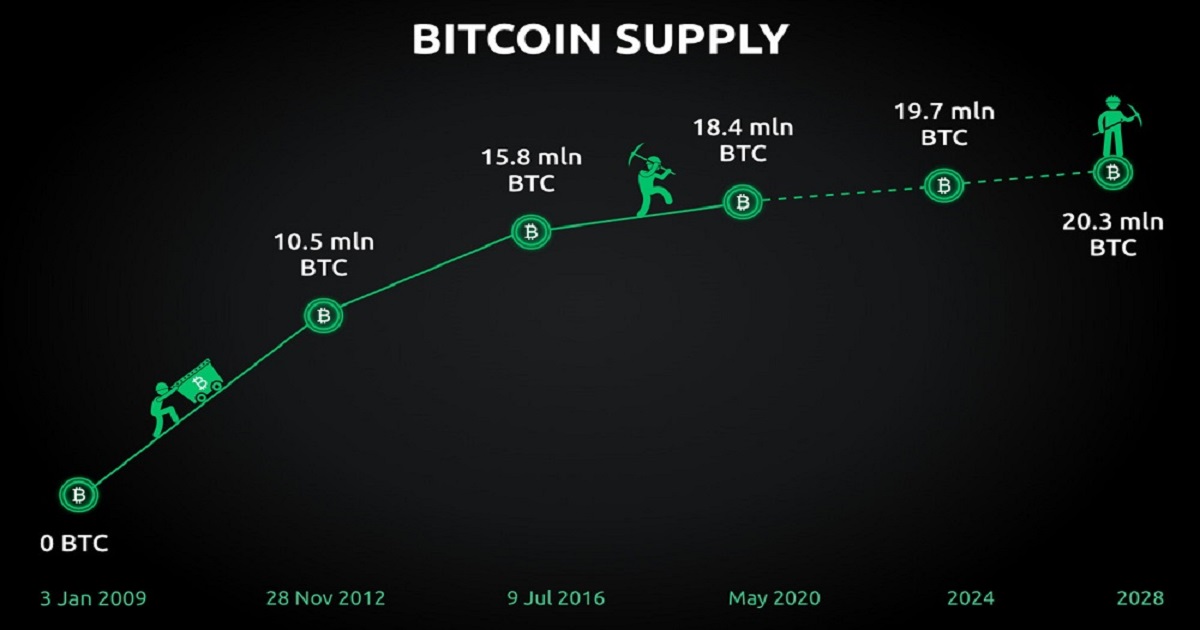
As of late April 2025. the amount of Bitcoin (BTC) stored on exchanges has dropped to approximately 2.5 million BTC, reaching its lowest level since 2018. This shift in Bitcoin's exchange reserves has sparked significant conversation in the cryptocurrency community, raising questions about market behavior, institutional adoption, and the future price trajectory of Bitcoin. Let’s dive deeper into what this decrease means for the market and why it’s occurring now.
Why Is Bitcoin Reserve on Exchanges Declining?
The decline in Bitcoin reserves held on exchanges can be attributed to a series of key factors. One major reason is the growing interest and adoption from institutional investors. Big players like Fidelity have been buying up Bitcoin and withdrawing it from exchanges, further tightening the supply. This has resulted in fewer Bitcoin being available on exchanges for immediate trading.
Another reason is the broader trend toward self-custody. More Bitcoin holders are opting for hardware wallets and decentralized platforms to store their BTC, preferring to maintain control over their assets rather than relying on centralized exchanges.
What Does This Decline Mean for Bitcoin Prices?
A significant reduction in the amount of Bitcoin available on exchanges could lead to a supply squeeze, which in turn may put upward pressure on Bitcoin’s price. With fewer Bitcoin available for purchase and a potential increase in demand, prices could rise, especially as institutional investors continue to express confidence in Bitcoin as a store of value.
However, it is crucial to consider that Bitcoin’s price is still highly volatile. External factors such as macroeconomic conditions, regulatory changes, and global market sentiment can heavily influence the price. The ongoing volatility in the crypto market could lead to sudden price fluctuations, making it difficult to predict the full impact of the reserve drop.
Is Institutional Investment Driving This Change?
The growing presence of institutional investors in the Bitcoin market has been a significant factor behind the decrease in exchange reserves. Institutions like Fidelity and Grayscale are not only purchasing large amounts of Bitcoin but are also withdrawing it from exchanges for long-term storage. This trend reflects their growing confidence in Bitcoin’s future potential, suggesting that Bitcoin is increasingly seen as a digital asset for long-term value retention rather than short-term speculation.
Conclusion:
As Bitcoin's supply on exchanges continues to shrink, the market dynamics are shifting. Institutional adoption is playing a crucial role in this transformation, and the decreasing reserves on exchanges could lead to a more bullish outlook for Bitcoin’s price. However, market volatility and external factors will continue to shape its future. It's essential for investors to stay informed about both the opportunities and risks associated with Bitcoin's evolving market conditions.