Bitcoin, the world's first and most prominent cryptocurrency, has taken the financial world by storm since its inception in 2009. Its decentralized nature, innovative technology, and limited supply have captivated investors worldwide, leading to a rollercoaster ride of price fluctuations. While Bitcoin's value has experienced significant volatility, it has also demonstrated remarkable resilience, sparking curiosity and debate among potential investors.
Understanding Bitcoin's Value
Bitcoin's value is determined by a complex interplay of supply and demand, driven by factors such as:
1. Adoption and Utility: As more individuals and businesses adopt Bitcoin as a means of payment or store of value, its demand increases, pushing up its price.
2. Regulatory Landscape: Government regulations and stances on cryptocurrency can significantly impact Bitcoin's value, influencing investor sentiment and adoption rates.
3. Market Sentiment and Speculation: Public perception and media coverage play a role in shaping Bitcoin's value, as investor optimism or pessimism can drive price movements.
4. Global Economic Conditions: Bitcoin's price can be influenced by broader economic trends, such as inflation, interest rates, and geopolitical events.
Assessing Bitcoin's Investment Potential
Bitcoin's potential as an investment lies in its unique characteristics:
1. Decentralization: Bitcoin's decentralized nature shields it from central bank manipulation and financial censorship, making it an attractive alternative to traditional fiat currencies.
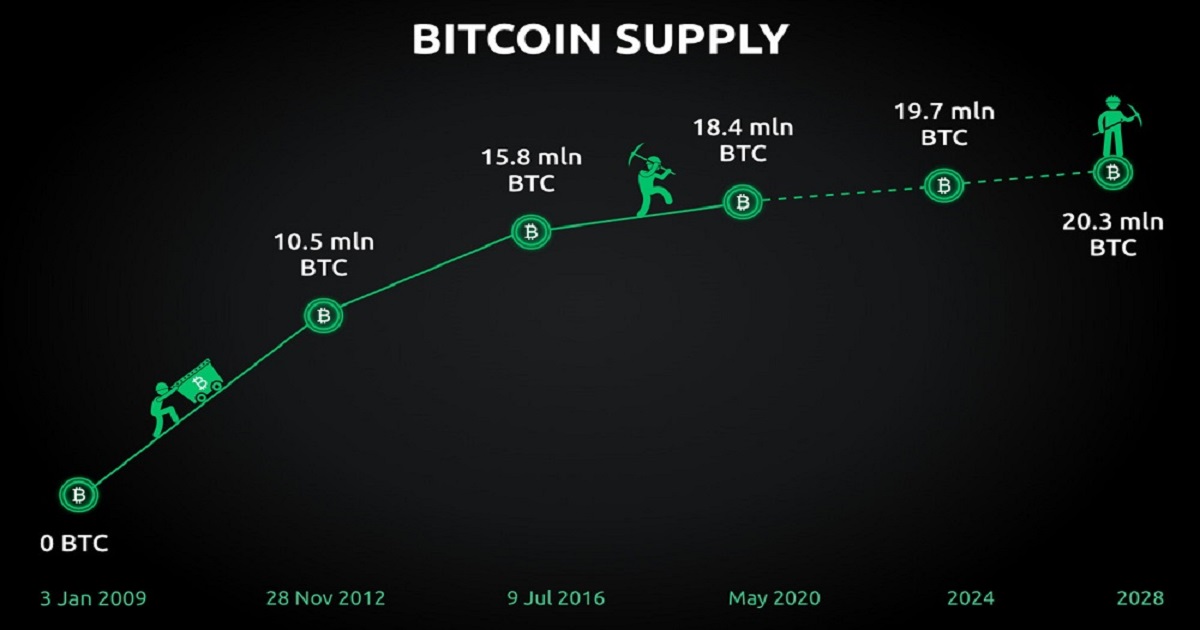
2. Limited Supply: Bitcoin's total supply is capped at 21 million coins, creating scarcity and potentially driving up its value in the long term.
3. Global Reach: Bitcoin can be sent and received anywhere in the world without intermediaries, offering a borderless and efficient payment system.
4. Potential for Innovation: Bitcoin's underlying blockchain technology has the potential to revolutionize various industries beyond finance, such as supply chain management and identity verification.
Considerations Before Investing in Bitcoin
Despite its potential, investing in Bitcoin carries inherent risks:
1. Volatility: Bitcoin's price is known for its high volatility, making it a risky investment for those seeking stability.
2. Regulatory Uncertainty: The regulatory landscape surrounding cryptocurrencies is still evolving, creating uncertainty for investors.
3. Security Risks: Bitcoin exchanges and wallets can be targeted for cyberattacks, potentially leading to losses.
4. Limited Adoption: Bitcoin's widespread adoption as a means of payment and store of value is still limited, impacting its long-term value.
Conclusion:
Bitcoin's value is a complex interplay of supply, demand, and external factors. While its potential as an investment is undeniable, its risks should not be underestimated. Investors should carefully consider their risk tolerance, financial situation, and investment goals before venturing into the world of Bitcoin. Thorough research, diversification of investments, and a long-term perspective are essential for navigating the fluctuating landscape of Bitcoin.
How Much is One Bitcoin Worth? Should You Invest? - I hope this article was informative.