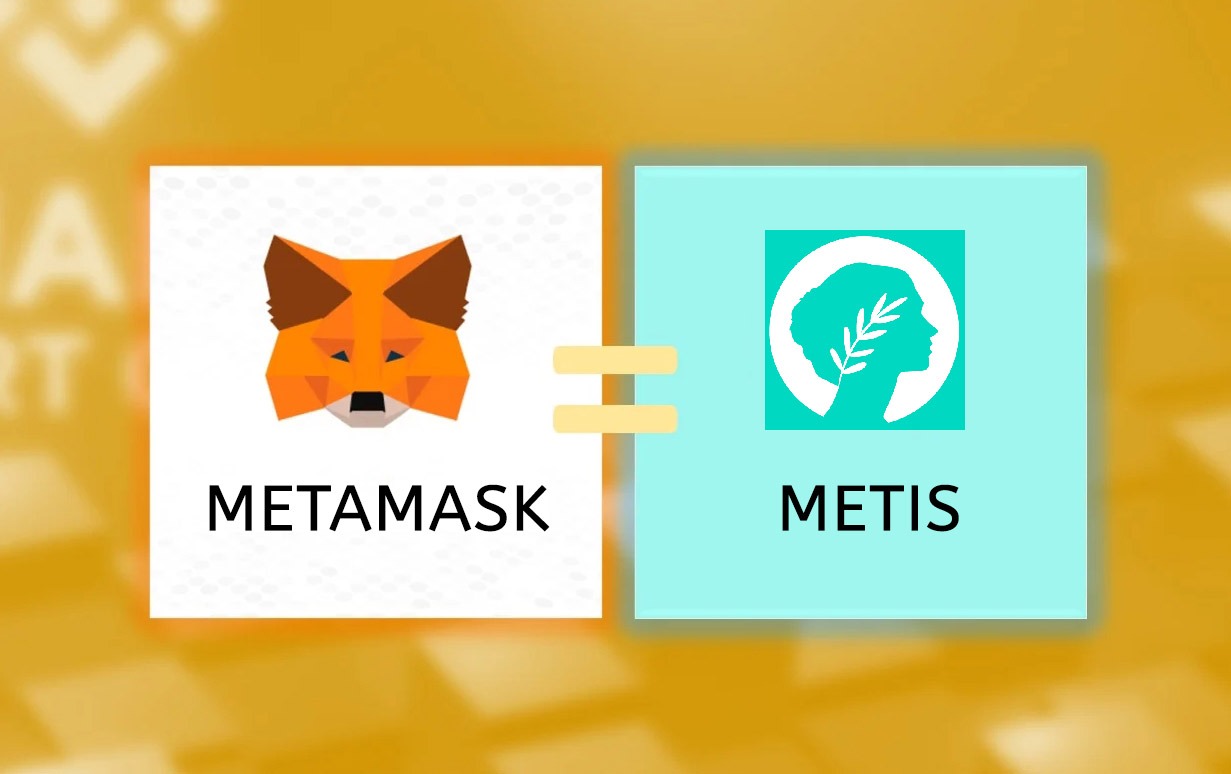
In this article, you will learn how to use METIS bridge. Bridging to METIS is an important step in taking advantage of the rapidly growing DeFi ecosystem. With its low-fee transactions, great user experience and liquidity, METIS is quickly becoming one of the most popular destinations for decentralized finance applications.
How to Use METIS Bridge?
METIS is a decentralized platform that allows users to bridge assets between different blockchain networks. Here are the general steps to use the METIS bridge:
- Connect your wallet: To use the METIS bridge, you will need to connect your wallet. METIS supports several popular wallets, including MetaMask, Trust Wallet, and WalletConnect.
- Select the asset you want to bridge: After connecting your wallet, select the asset you want to bridge. METIS supports a wide range of assets, including ETH, ERC-20 tokens, and BEP-20 tokens.
- Choose the destination network: Select the network you want to bridge your asset to. METIS supports several popular networks, including Ethereum, Binance Smart Chain, and Polygon.
- Enter the amount you want to bridge: Once you have selected the asset and destination network, enter the amount you want to bridge and confirm the transaction.
- Wait for the bridging process to complete: After initiating the bridging process, you will need to wait for it to complete. The time it takes for the bridging process to complete can vary depending on network congestion, but it typically takes a few minutes.
- Check your wallet for the bridged asset: Once the bridging process is complete, you should see the bridged asset in your destination network wallet.
You have successfully used the METIS bridge to bridge assets between different blockchain networks.
What are the METIS Bridging Fees?
The fees for using the METIS bridge vary depending on the asset being bridged, the source and destination networks, and the current network conditions.
Here are the types of fees that you may incur when using the METIS bridge:
Network fees: Network fees are paid to the blockchain network for processing and confirming transactions. These fees are typically denominated in the native cryptocurrency of the network (eg ETH for Ethereum). The amount of network fees can vary depending on the network conditions, such as network congestion and gas prices.
Bridge fees: METIS charges a small fee for using its bridge service. This fee is typically a percentage of the total amount being bridged and is paid in the native cryptocurrency of the network.
Exchange fees: If you are bridging between different cryptocurrencies, you may also incur exchange fees. These fees are typically charged by the exchange or trading platform used to convert the assets from one cryptocurrency to another.
Overall, the fees for using the METIS bridge can vary depending on several factors. It is important to carefully review the fees before initiating a bridging transaction to ensure that you are comfortable with the costs involved. Additionally, you may want to consider using a fee estimation tool to get an idea of the current network fees and gas prices before initiating a transaction.
Bottom Line
Keep in mind that you will need to pay fees on both the source and destination networks during the bridging process. Additionally, the bridging process may take longer if the networks are experiencing high traffic or congestion. This article is about how to use METIS bridge.