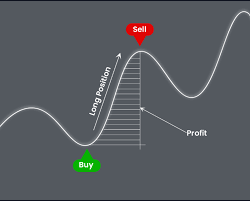
The cryptocurrency market is a dynamic and ever-evolving landscape, offering a plethora of opportunities for savvy investors. While traditional investment strategies often focus on long positions, anticipating a rise in asset value, the concept of short positions introduces a unique approach to capitalizing on market fluctuations.
Let's take a closer look at this article for a better understanding.
What are Short Positions?
In the world of cryptocurrency trading, a short position involves selling a borrowed asset with the expectation that its price will decline. The trader aims to repurchase the asset at a lower price, returning it to the lender and pocketing the difference as profit. This strategy allows traders to profit from market downturns, adding a layer of flexibility to their investment portfolio.
Why Consider Short Positions in Cryptocurrency Trading?
Capitalizing on Market Declines: Short positions provide an avenue to profit from bearish market trends, enabling traders to benefit from price drops instead of relying solely on upward price movements.
Hedging Against Risk: Short selling can act as a hedge against potential losses in an investor's portfolio. By opening a short position on an asset that is negatively correlated with their existing holdings, traders can offset potential losses if the market moves against them.
Enhanced Market Understanding: Engaging in short selling encourages traders to delve deeper into market analysis, gaining a more comprehensive understanding of the factors that drive price movements.
How to Open a Short Position in Cryptocurrency Trading:
Borrowing the Asset: Traders typically borrow the cryptocurrency they intend to short-sell from a cryptocurrency exchange or a peer-to-peer lending platform.
Selling the Borrowed Asset: Once the asset is borrowed, the trader sells it on the open market, anticipating a price decline.
Repurchasing the Asset: When the price drops as predicted, the trader repurchases the asset at a lower price, returning it to the lender and keeping the difference as profit.
Managing Risks Associated with Short Positions:
Unlimited Loss Potential: Unlike long positions, where losses are limited to the initial investment, short positions carry the risk of unlimited losses if the asset price continues to rise.
Margin Requirements: Short selling often involves margin trading, requiring traders to maintain a minimum balance in their trading account to cover potential losses.
Borrowing Fees: Traders incur fees for borrowing the asset, which can erode profits if the price decline is not significant enough.
Conclusion:
Short positions offer a unique approach to navigating the cryptocurrency market, allowing traders to profit from market downturns and hedge against potential losses. However, it is crucial to exercise caution and employ risk management strategies to mitigate the inherent risks associated with short selling. Thorough market analysis, careful position sizing, and strict adherence to risk management protocols are essential for successful short selling in the cryptocurrency market.
Navigating the Cryptocurrency Market: Understanding Short Positions - I hope this article was informative.