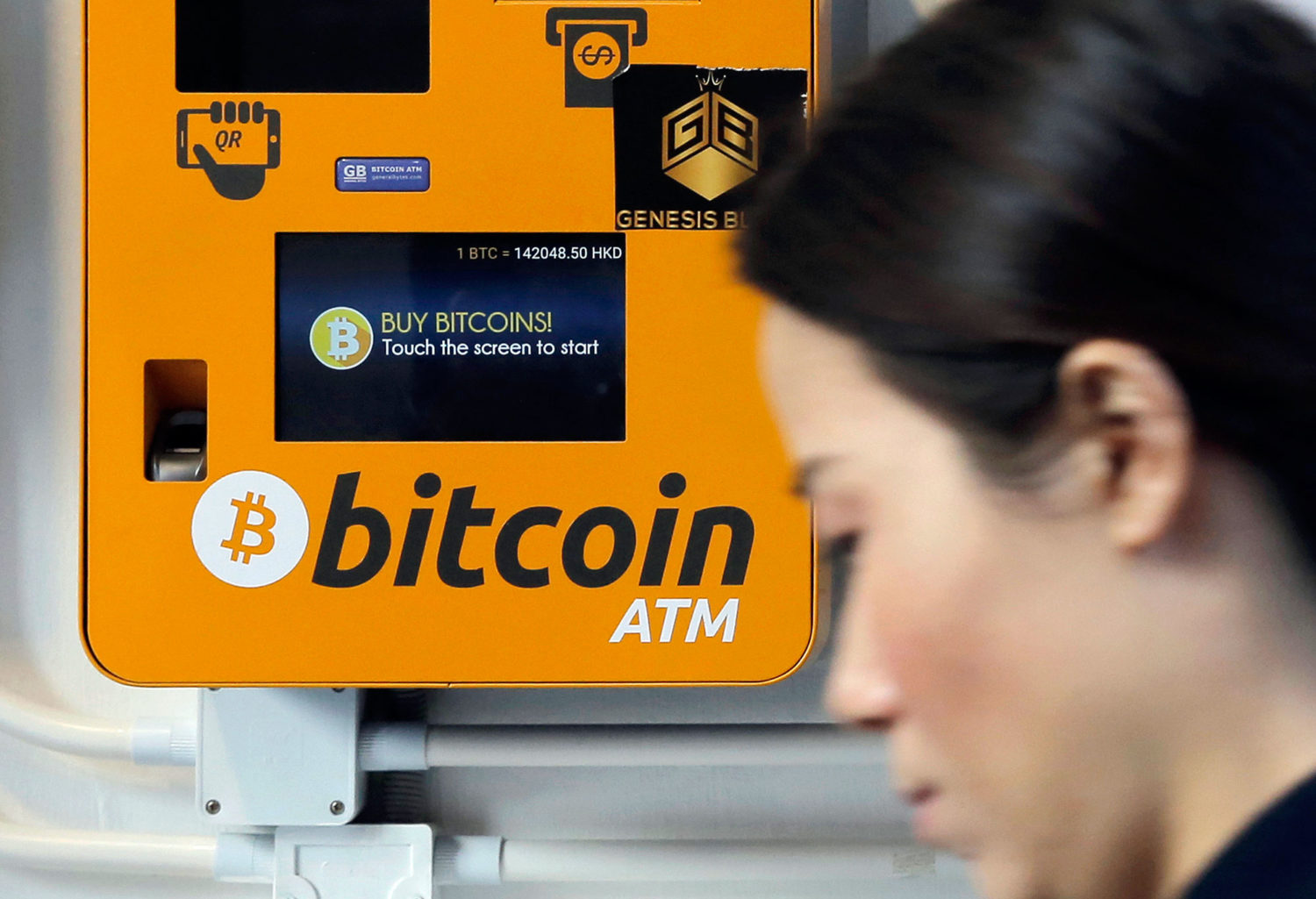
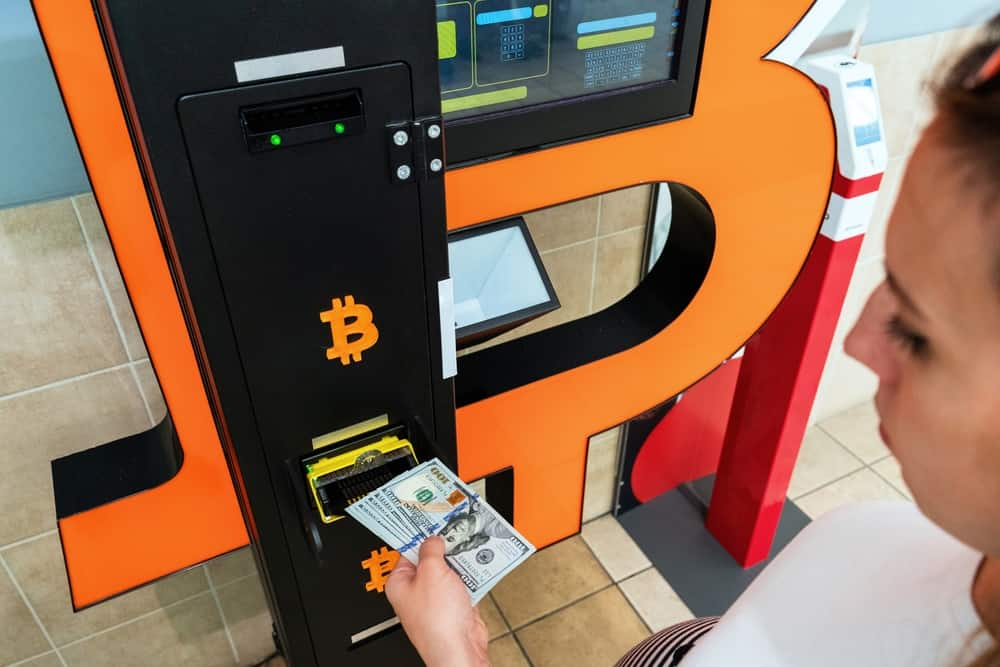
South Korean stablecoin ATMs are a recent innovation targeting international travelers looking to convert crypto into fiat seamlessly. With Kaia-issued USDT at the center, these machines allow users to withdraw cash in multiple currencies, marking a major step in crypto's real-world usability.
What assets do the ATMs support?
The primary asset supported is Kaia USDT, a version of Tether issued on the Kaia blockchain—a result of the Klaytn and Finschia merger. The ATMs also support Bitcoin and Ethereum, with plans to add the native Kaia token ($KAIA) soon. This offers flexibility for tourists using a range of digital assets.
How do users withdraw cash from these ATMs?
The process is built for simplicity but includes strict security protocols. Users must complete identity verification using passport and facial recognition—much like immigration gates in Korean airports. Once verified, travelers can withdraw local cash in one of 85 supported fiat currencies. Some ATMs also allow reloading of Korean transit cards.
Why are these ATMs tourist-only?
South Korean citizens are currently restricted from using these ATMs. This tourist-only model is part of a regulatory experiment, designed to limit domestic exposure while testing stablecoin use cases under controlled conditions.
What is the regulatory and market context?
The Bank of Korea has created a new division focused on digital assets, and legislation like the Digital Asset Basic Act is in development. It introduces rules like “bankruptcy remoteness” for stablecoin reserves and would give the Financial Services Commission (FSC) oversight over the market. The rollout of ATMs in seven popular tourist spots by DaWinKS and Kaia DLT Foundation hints at further expansion and eventual domestic use.
Conclusion
South Korean stablecoin ATMs are pioneering a real-world crypto use case, offering tourists easy access to cash from digital wallets. With regulatory backing and plans for broader adoption, these machines may set the standard for how stablecoins integrate into everyday financial infrastructure.