Geopolitical conflict introduces sudden instability across financial markets. The crypto market reacts quickly, but capital flow inside it follows a recognizable structure. Most major disruptions unfold in three stages: shock, repricing, and rotation.
Recognizing these phases allows investors to interpret volatility with discipline instead of emotion.
Phase One: Shock and Forced De-Risking
The first stage is immediate and mechanical.
- Bitcoin declines alongside equities
- Altcoins experience amplified losses
- Derivatives liquidations increase
- Volatility expands rapidly
Institutional participants reduce leverage and raise liquidity. This is not a long-term judgment on crypto assets. It is balance sheet protection.
During this period, selling pressure is driven by risk controls, margin calls, and uncertainty. Prices can fall sharply because speed matters more than valuation.
The shock phase is intense but typically short-lived.
Phase Two: Repricing and Macro Reassessment
After the initial turbulence slows, markets begin reassessing broader implications.
Attention shifts toward:
- Inflation pressure from higher energy costs
- Central bank policy direction
- Government fiscal response
Volatility moderates. Analysis replaces panic.
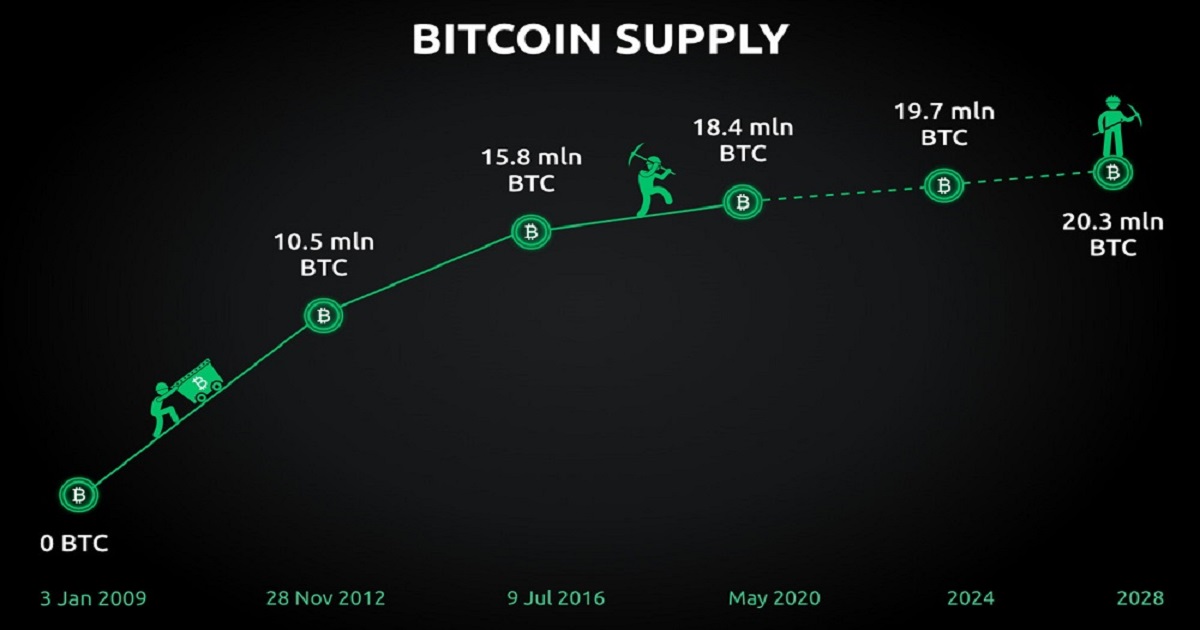
If geopolitical conflict contributes to sustained inflation or currency instability, Bitcoin’s fixed supply becomes strategically relevant again. Institutions begin evaluating long-term allocation rather than short-term survival.
Repricing is a transition period. Capital stabilizes before repositioning.
Phase Three: Strategic Rotation of Capital
The final stage is deliberate and selective.
Capital does not return evenly across the crypto market. It concentrates in assets with:
- Deep liquidity
- Structural resilience
- Clear macro alignment
Bitcoin often becomes the primary destination due to its scale and scarcity. Stablecoins serve as liquidity hubs, allowing funds to re-enter the market efficiently once confidence improves.
Speculative tokens typically attract less capital during this phase, as risk discipline remains elevated.
Rotation reflects structured allocation, not enthusiasm.
Conclusion
Geopolitical conflict triggers volatility, but capital movement inside the crypto market follows a pattern.
Shock creates forced selling. Repricing restores analysis. Rotation concentrates capital into structurally strong assets.
Understanding this sequence allows investors to view Bitcoin and the broader crypto market through a capital flow lens rather than reacting to headlines. In periods of instability, disciplined positioning matters more than rapid reaction.