Bitcoins are a digital currency that was created in 2009 by an anonymous person or group of people under the name Satoshi Nakamoto. Let's take a closer look at this article for a better understanding.
What Are Bitcoins?
Bitcoins are a digital currency that was created in 2009 by an anonymous person or group of people under the name Satoshi Nakamoto. Bitcoins are not issued by any central authority, such as a government or bank. Instead, they are created through a process called mining.
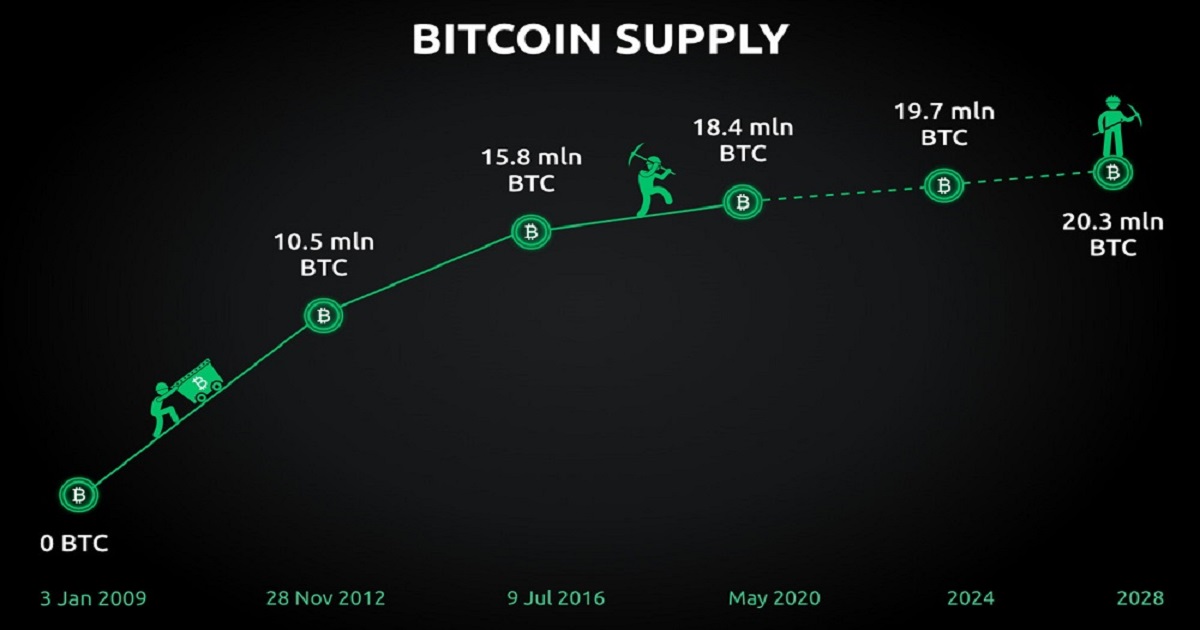
Mining is a computationally intensive process that involves solving complex mathematical problems. When a miner solves a problem, they are rewarded with a certain number of bitcoins. This process is designed to ensure that bitcoins are scarce and that they cannot be counterfeited.
Bitcoins can be used to buy goods and services online. However, they are not yet widely accepted by merchants. In addition, bitcoins can be used to make anonymous payments, which has made them popular with criminals.
So, should you care about bitcoins?
That depends on your individual circumstances. If you are interested in investing in new and potentially disruptive technology, then bitcoins may be worth considering. However, if you are looking for a stable and widely accepted currency, then bitcoins may not be the right choice the ice for you.
Here is a more detailed explanation of how bitcoins work:
- Bitcoins are stored in a digital wallet. A digital wallet is a software program that stores your bitcoins and allows you to send and receive them. There are many different digital wallets available, both online and offline.
- Bitcoin transactions are verified by a network of computers. When you send bitcoins to someone, your transaction is broadcast to the Bitcoin network. The network of computers then verifies the transaction and adds it to the blockchain. The blockchain is a public ledger that records all Bitcoin transactions.
- Bitcoins are mined using powerful computers. Miners use powerful computers to solve complex mathematical problems. When a miner solves a problem, they are rewarded with a certain number of bitcoins. This process is designed to ensure that bitcoins are scarce and that they cannot be counterfeited.
Benefits of Using Bitcoins
Here are some of the benefits of using bitcoins:
- Bitcoins are decentralized. Bitcoins are not issued by any central authority, such as a government or bank. This means that they are not subject to government control or inflation.
- Bitcoins are anonymous. Bitcoin transactions are not linked to your personal identity. This makes them a good option for people who want to make anonymous payments.
- Bitcoins are secure. Bitcoin transactions are verified by a network of computers. This makes them very secure.
Risks of Using Bitcoins
Here are some of the risks of using bitcoins:
- Bitcoins are volatile. The price of bitcoins has fluctuated wildly in the past. This makes them a risky investment.
- Bitcoins are not widely accepted. Bitcoins are not yet widely accepted by merchants. This makes them difficult to use for everyday purchases.
- Bitcoins are a target for criminals. Because bitcoins are anonymous, they have been targeted by criminals. This is a risk that you need to be aware of if you decide to use bitcoins.
Overall, bitcoins are a new and potentially disruptive technology. They offer some benefits, such as decentralization, anonymity, and security. However, they also have some risks, such as volatility, lack of acceptance, and criminal activity. If you are considering using bitcoins, you need to weigh the benefits and risks carefully.
What Are Bitcoins? Bitcoins Explained For Dummies - I hope this article has answered some of your questions about bitcoins.