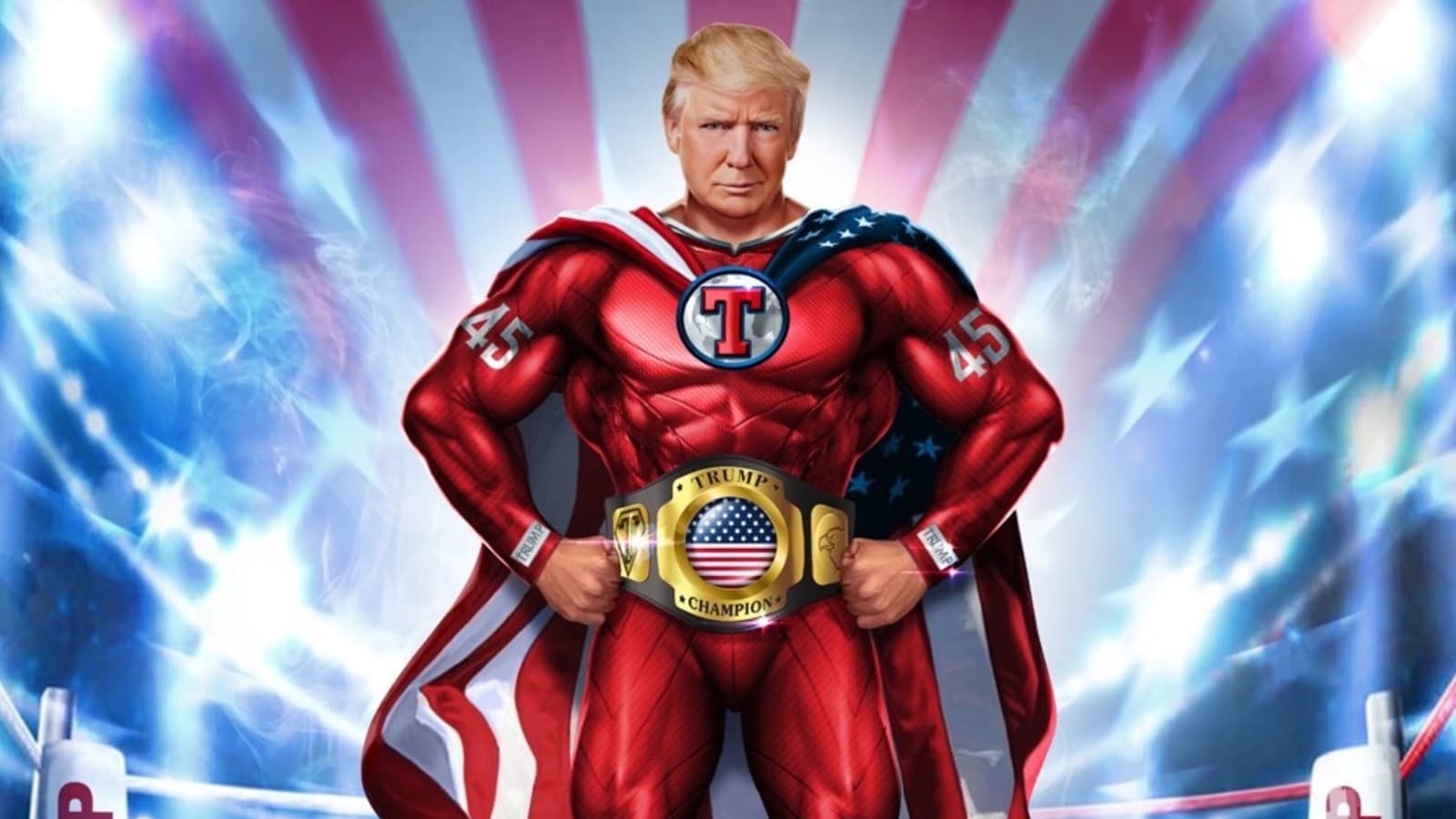
Non-fungible tokens (NFTs) are unique digital assets that can represent anything from art to music to in-game items. Each NFT has its own unique identifier, which makes it impossible to counterfeit or replace.
What are Rarities in NFTs?
The rarity of an NFT is among the most crucial aspects to take into account. The rarity of an NFT describes how unique it is from all other NFTs in the collection. Rarity alone is not a guarantee that an NFT is desirable; in general, NFTs with higher rarity will sell for more money on the market, but it's crucial to remember that there must be demand for the NFT collection the NFT belongs to. Millions of dollars have been paid for extremely rare NFTs from collections like CryptoPunks and the Bored Ape Yacht Club.
Why Is It Important?
Rarity is an important factor in the value of an NFT. Rarer NFTs are typically more valuable than common NFTs. There are a number of factors that can determine the rarity of an NFT, including:
The number of NFTs in the collection: The rarer the NFT, the more valuable it is likely to be.
The properties of the NFT: Some NFTs have unique properties that make them more desirable, such as being the first of its kind or being created by a famous artist.
The demand for the NFT: If there is a lot of demand for an NFT, it is likely to be more valuable.
How are rarities in NFTs determined?
The rarity of an NFT is typically determined by the creator of the NFT or by the platform on which it is minted. There are a number of different ways to determine the rarity of an NFT, including:
Limited edition: Some NFTs are created in limited editions, which means that there is a set number of them that will ever be minted. These NFTs are typically more rare and valuable than NFTs that are not limited edition.
Random rarity: Some NFTs are created with random rarity, which means that each NFT has a different chance of being rare. This type of rarity can be determined by a number of factors, such as the properties of the NFT or the time it was minted.
Graduated rarity: Some NFTs have graduated rarity, which means that there are different levels of rarity. For example, an NFT collection might have common, uncommon, rare, and legendary NFTs.
Conclusion:
Rarity is an important factor in the value of an NFT. Rarer NFTs are typically more valuable than common NFTs. There are a number of factors that can determine the rarity of an NFT, including the number of NFTs in the collection, the properties of the NFT, and the demand for the NFT.
Here are some additional things to keep in mind about rarities in NFTs:
- The rarity of an NFT can change over time. If an NFT becomes more popular, it is likely to become more rare and valuable.
- The rarity of an NFT is not always the only factor that determines its value. Other factors, such as the quality of the artwork or the popularity of the creator, can also play a role.
- It is important to do your research before investing in an NFT. There are a number of scams and rug pulls in the NFT market, so it is important to be careful.
If you are considering investing in an NFT, it is important to do your research and understand the risks involved. You should also only invest money that you can afford to lose.
What are Rarities in NFTs? How Are They Determined? - I hope this article was informative.