Solana is an evolving blockchain project that offers a range of impressive features and has a clear roadmap for future development. Let's explore the features of Solana and what makes Solana different from other blockchains.
What are the features of Solana?
Open-Source Code: Similar to many other blockchains, Solana operates on open-source code, allowing anyone to access and utilize the code for personal or commercial purposes.
Native Currency (SOL): Solana's native cryptocurrency is called SOL, with smaller denominations known as Lamports. SOL is used for transactions and incentivizing validators in the network.
Proof of Stake (PoS):Solana utilizes a Proof of Stake consensus mechanism where users can stake their SOL tokens to assist in processing transactions more efficiently. Validator nodes, responsible for processing transactions securely, are involved in this process. Additionally , users can vote on proposed blockchain changes from the Solana developer community.
Proof of History (PoH):Solana introduces an innovative consensus method called Proof of History. It merges the concept of time with Proof of Stake to facilitate transaction processing. By timestamping events through a verifiable delay function algorithm, Solana achieves hi gh transaction speeds, up to 50,000 transactions per second (TPS).
Rotation of Leader Nodes: Solana employs a rotating leader node system to enhance network efficiency within a cluster of nodes. This periodic rotation prevents malicious or non-functional nodes from obstructing transactions and impeding network performance.
Turbine Protocol: Solana utilizes the Turbine protocol to efficiently transfer information in smaller packets to neighboring clusters of nodes called neighborhoods. This mechanism enables faster transaction verification.
What makes Solana different from other blockchains?
High Censorship Resistance: Solana aims to combat censorship within blockchain networks. Its rotating validator system calculates the minimum number of nodes required to censor the network, mitigating the risk of malicious actions or node failures.
Rapid Transaction Speed: Unlike many popular blockchains that experience slow transaction speeds, Solana's short block times enable lightning-fast transaction execution. Its efficiency rivals that of traditional payment networks like VISA and Mastercard, enabling real-time application execution.
Scalability: Solana boasts high scalability, capable of handling substantial network traffic. This makes it suitable for enterprise-level applications while ensuring a seamless user experience. It aligns with the current trend of ecosystem architecture, allowing applications to provide interconnected services within a unified framework .
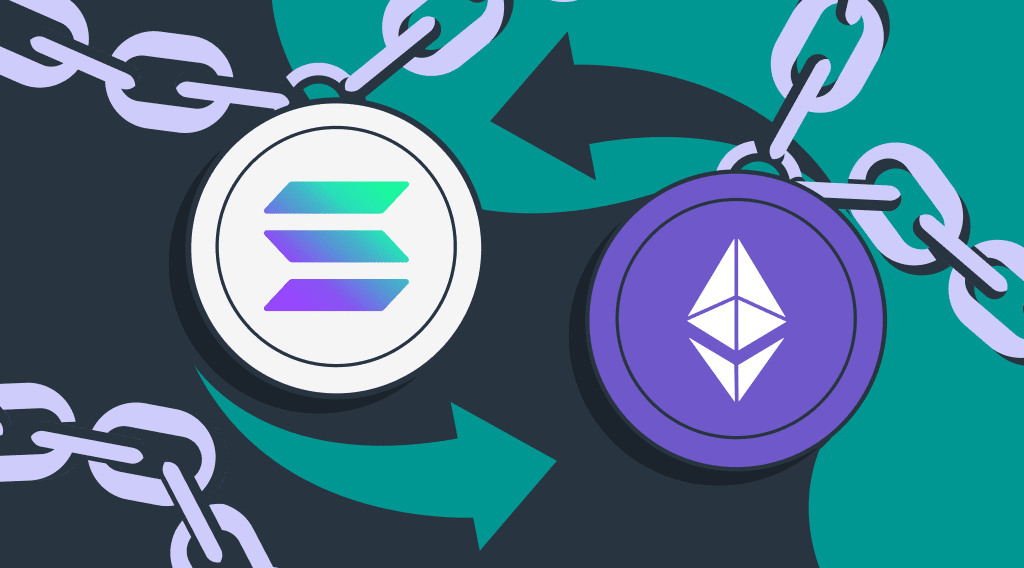
Interoperability: Solana's layered architecture enables interoperability with other applications and blockchains, facilitating the management and trading of digital assets such as cryptocurrencies, non-fungible tokens (NFTs), and personalized records.
In summary, Solana distinguishes itself through its high censorship resistance, rapid transaction speed, scalability, and interoperability. Its features cater to the needs of traders and developers, empowering them to offer diverse services to internet users globally .
I hope this article provides you with the desired insights into the the features of Solana and what makes Solana different from other blockchains.