logo
  • menu
  • Markets
  • ETFs
  • Live
  • Spot
  • Futures
  • Bots
  • Learn
  • Sign In
  • Sign Up
  • Downloads
  • English
  • |
  • USD
  • |
Sign Up
Crypto PricesLearnLatest NewsDownloadsMarketsSpotAnnouncements
Home/
Learn/
Crypto Basics

What are the US Marshals Service Bitcoin Auctions? Why do They Matter?

By Martha Grizzard
Sep 16, 2025
3.8 
★
★
★
★
★
★
★
★
★
★
 302 User Rating
Share

This article is about what are the US Marshals Service bitcoin auctions. The US Marshals Service Bitcoin auctions represent a crucial intersection of law enforcement, finance, and the cryptocurrency ecosystem. These auctions are not only a means for the government to combat criminal activity and reclaim illegal proceeds but also have a notable impact on the Bitcoin market itself.

What are the US Marshals Service Bitcoin Auctions?

The U.S. Marshals Service conducts auctions to sell various types of assets, typically seized or forfeited as a result of criminal activity. These auctions are often referred to as "U.S. Marshals auctions" or "U.S. Marshals asset forfeiture auctions." Here's an overview of what these auctions entail:

1. Seized and Forfeited Assets: The U.S. Marshals Service seizes and forfeits assets when they are involved in criminal activities, such as assets obtained through illegal means or assets used in the commission of a crime. These assets can include real estate, vehicles, jewelry, electronics, art, and even cryptocurrencies.

2. Auction Process: Once the U.S. Marshals have custody of these assets, they may conduct public auctions to sell them and convert them into cash. These auctions can be conducted through various means, including live auctions, online auctions, or a combination of both.

3. Auction Platforms: The U.S. Marshals Service may use specialized auction platforms or contract with auction houses to manage the sale of these assets. Online auctions have become increasingly common and accessible to a broader audience.

4. Public Participation: In most cases, these auctions are open to the public. Interested buyers can participate by registering for the auction, often paying a deposit, and then bidding on the items they wish to purchase.

5. Competitive Bidding: These auctions typically involve competitive bidding, where participants aim to secure items at the best possible prices. The highest bidder for each item wins the auction.

6. Transparency: The U.S. Marshals auctions are known for their transparency, and detailed information about the assets, including photographs and descriptions, is typically provided to potential bidders.

7. Proceeds Allocation: The proceeds generated from these auctions are used to cover various expenses related to law enforcement and legal proceedings. Any remaining funds may be allocated to victims' compensation, law enforcement agencies, or other designated purposes.

8. Online Resources: To participate in U.S. Marshals auctions, individuals can visit the official website of the U.S. Marshals or relevant auction platforms to find information about upcoming auctions, registration requirements, and auction details.

Why do the USMS Bitcoin Auctions matter?

The USMS Bitcoin auctions hold significant importance on multiple fronts. Firstly, they underscore the government's commitment to combating criminal activities and reclaiming the proceeds of unlawful actions. Operating under the Department of Justice Asset Forfeiture Program, the USMS aims to disrupt criminal operations, deter illegal activities, and restore stolen assets to their rightful owners. The sale of seized Bitcoins not only generates revenue for the government but also strips criminals of their ill-gotten gains.

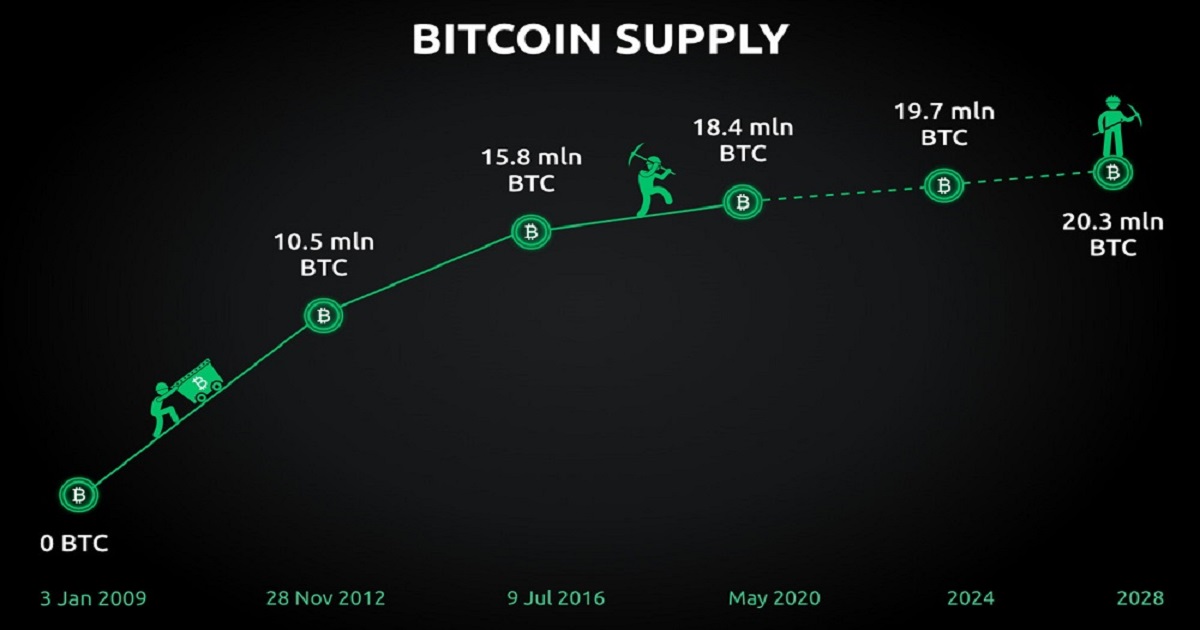
Secondly, these auctions directly impact the supply and demand dynamics of the Bitcoin market. Given the finite nature of Bitcoins (with a total cap of 21 million), any alterations in their availability can influence their market value. When the USMS auctions off a substantial quantity of Bitcoins, it injects more into circulation, potentially leading to a decrease in their price. Conversely, the anticipation of such auctions can spur demand, as potential bidders may buy Bitcoins in advance, potentially driving their price up.

Lastly, the USMS Bitcoin auctions offer insights into the interest and participation of institutional investors in the cryptocurrency realm. The pool of bidders for these auctions extends beyond individual participants and includes companies and funds deeply involved in the digital asset space. Notable past auction winners, such as trading firm Cumberland DRW, investment firm Pantera Capital, and asset manager Coinfloor, highlight the growing appetite for Bitcoins among institutional players. These entities often possess substantial resources and influence, potentially shaping the market dynamics more significantly than retail investors.

Bottom Line

In this article, we have discussed what are the US Marshals Service bitcoin auctions. It's important to note that U.S. Marshals auctions can vary in terms of the types of assets being sold, the frequency of auctions, and the specific procedures for participation.


Disclaimer: The information on this page may have been obtained from third parties and does not necessarily reflect the views or opinions of BitKan. This content is provided for general informational purposes only, without any representation or warranty of any kind, nor shall it be construed as financial or investment advice. BitKan shall not be liable for any errors or omissions, or for any outcomes resulting from the use of this information. Investments in digital assets can be risky. Please carefully evaluate the risks of a product and your risk tolerance based on your own financial circumstances. Products mentioned in this article may not be available in your region.

Related Articles

  • Crypto Trading Bots: What Are They and How Do They Work?

    Crypto Trading Bots: What Are They and How Do They Work?

    A crypto trading bot is a software application designed to automate the process of buying and selling digital assets, acting as an interface between the user and a cryptocurrency exchange.
    Cornell Rachel
    Jun 26, 2026
  • What Is Rehypothecation Risk in Crypto? How to Protect Yourself

    What Is Rehypothecation Risk in Crypto? How to Protect Yourself

    Rehypothecation is a practice where a lending platform takes collateral pledged by its clients and uses it for its own purposes.
    James Dean
    Jun 17, 2026
  • What Are Crypto Prediction Markets? A Complete Guide for Beginners

    What Are Crypto Prediction Markets? A Complete Guide for Beginners

    Crypto prediction markets are peer-to-peer decentralized financial platforms where participants trade contracts tied to the outcomes of real-world events, such as elections, sports, or economic data releases.
    Jun 12, 2026

Latest Articles

Crypto Basics

Tutorials

Currencies

Investing

  • What Is Cross-Chain Interoperability? How Does It Function?

    What Is Cross-Chain Interoperability? How Does It Function?

    Cross-chain interoperability is the technological capability of independent blockchain networks to securely exchange assets, data, and functional instructions without central intermediaries.
    Jerry McNeill
    Jul 8, 2026
  • What Are Keyloggers? How Do They Drain Your Crypto?

    What Are Keyloggers? How Do They Drain Your Crypto?

    A keylogger is a specialized form of spyware designed to systematically record every keystroke pressed on a compromised device.
    Wayne Ingram
    Jul 6, 2026
  • What is Maximal Extractable Value in crypto? How Do We Avoid MEV?

    What is Maximal Extractable Value in crypto? How Do We Avoid MEV?

    Maximal Extractable Value (MEV), formerly known as Miner Extractable Value, is the maximum value that can be extracted from block production by including, excluding, or reordering transactions within a block, in addition to standard block rewards and gas fees.
    Jerry McNeill
    Jul 1, 2026
  • Crypto Trading Bots: What Are They and How Do They Work?

    Crypto Trading Bots: What Are They and How Do They Work?

    A crypto trading bot is a software application designed to automate the process of buying and selling digital assets, acting as an interface between the user and a cryptocurrency exchange.
    Cornell Rachel
    Jun 26, 2026
  • What Are Appchains? How Do Application-Specific Blockchains Work?

    What Are Appchains? How Do Application-Specific Blockchains Work?

    Appchains are blockchains built to support a single application, providing dedicated resources instead of competing for block space with other decentralized applications.
    Jerry McNeill
    Jun 25, 2026
View more data 

Content

BTCBTC(BTC)
$0
--(Last 24h)
SpotFutures

Top

View more
  1. 1How To Sign Up For A BitKan Account (Web)?
  2. 2When Is Bitcoin Halving 2024? What Does Bitcoin Halving Do?
  3. 3What is Etherscan Used For and How to Find Token Decimal on Etherscan
  4. 4What is USDC used for? Why is USDC used?

Top Gainers

View more
Derive
DeriveDRV

$0.1285

+221.25%
FC Porto Fan Token
FC Porto Fan TokenPORTO

$0.5520

+41.18%
DODO
DODODODO

$0.0264

+21.47%
SK Hynix
SK HynixSKHYB

$188.900

+21.22%
Kaito
KaitoKAITO

$0.7900

+19.32%

Top Trending

View more
LAB
LABLAB

$0.2334

-8.76%
Bitcoin Cash
Bitcoin CashBCH

$231.500

-2.07%
SK Hynix Inc
SK Hynix IncSKHYNIX

$1,420.85

+16.86%
Zcash
ZcashZEC

$555.030

+10.71%
Block Street
Block StreetBSB

$0.1376

+15.89%

Recently added

View more
Derive
DeriveDRV

$0.1285

+221.25%
SK Hynix
SK HynixSKHYB

$188.880

+21.21%
Cash Cat
Cash CatCASHCAT

$0.1404

-15.69%
Cerebras
CerebrasCBRSB

$203.200

+0.04%
Invesco QQQ Trust
Invesco QQQ TrustQQQB

$724.220

+1.59%

Latest News

View more
  1. 1Stablecoin Market Drops $10B, Analysts Downplay Concerns
  2. 2New SEC Crypto Rule to Cut Red Tape for Startup Fundraising
  3. 3White House Admits Federal Bitcoin Fund is Still Delayed
  4. 4USDC Dominates Tether USDT in Stablecoin Volume Race
  5. 5Ether Leads Crypto Jump; Bitcoin Holds Firm Above $63K
About Us
  • About BitKan
  • Contact Us
  • Announcements
  • VIP Program
  • BitKan Ambassador
  • Institutional Services
Products
  • Spot
  • Futures
  • Crypto Prices
  • Learn
  • News
  • Markets
  • How to Buy Crypto
  • BTC to USD Calculator
  • Reward
Help
  • Help Center
  • Email Us
  • Live Chat
  • Download APP
  • Listing Application
  • Buy Bitcoin
  • Buy Ethereum
  • Buy Dogecoin
  • Buy Altcoins
Terms
  • Terms of Use
  • Privacy Policy
  • Trading Rules
  • Fee
K-Site
English
About Us
+
  • About BitKan
  • Contact Us
  • Announcements
  • VIP Program
  • BitKan Ambassador
  • Institutional Services
Products
+
  • Spot
  • Futures
  • Crypto Prices
  • Learn
  • News
  • Markets
  • How to Buy Crypto
  • BTC to USD Calculator
  • Reward
Help
+
  • Help Center
  • Email Us
  • Live Chat
  • Download APP
  • Listing Application
  • Buy Bitcoin
  • Buy Ethereum
  • Buy Dogecoin
  • Buy Altcoins
Terms
+
  • Terms of Use
  • Privacy Policy
  • Trading Rules
  • Fee
K-Site
+
  • Twitter
  • Facebook
  • Telegram
  • YouTube
  • Instagram
  • Medium
  • Linkedin
@2012-2026 BITKAN.com