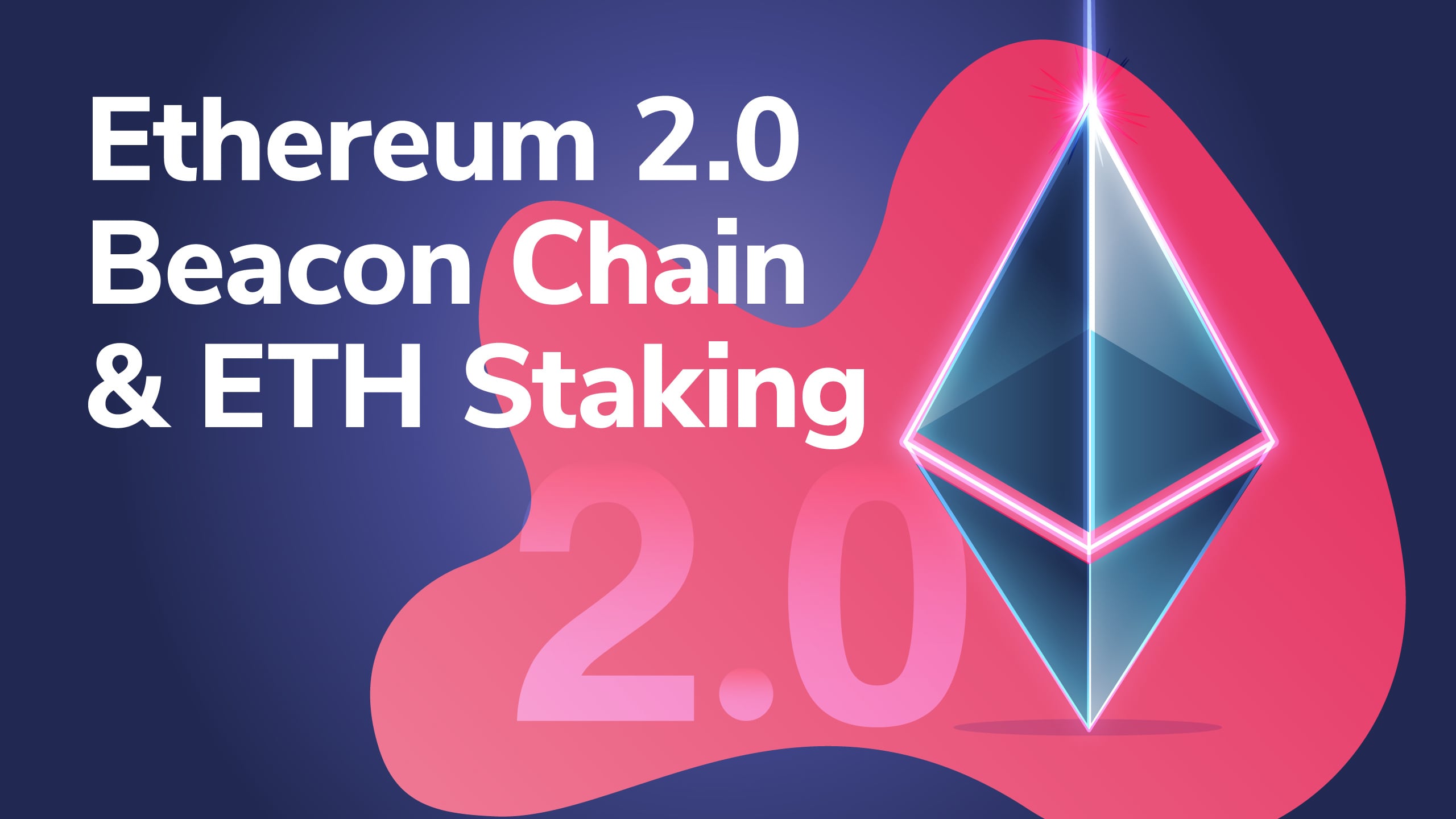
In this article, you will learn what Blockchain is Beacon Chain and Beacon Chain Impact. The Ethereum Blockchain is reforming the consensus model from Proof of work to Proof of Stake. A massive new structure is being built alongside Ethereum and the core of this structure is the Beacon Chain.
Think of the Beacon Chain as a big lighthouse, rising above a blue sea of transaction data. It's constantly scanning, validating, collecting votes, and doling out rewards to the validators that correctly attest to blocks, deducting rewards for those not online, and slashing the ETH from malicious actors.
What Blockchain is Beacon Chain?
The Beacon Chain is the original proof-of-stake blockchain. It was launched in 2020. It was created to ensure the proof-of-stake consensus logic was sound and sustainable before enabling it on Ethereum Mainnet. Therefore, it ran alongside the original proof-of-work Ethereum.
Switching off proof-of-work and switching on proof-of-stake on Ethereum required instructing the Beacon Chain to accept transactions from the original Ethereum chain, bundle them into blocks and then organize them into a blockchain using a proof-of-stake based consensus mechanism.
At the same moment, the original Ethereum clients turned off their mining, block propagation and consensus logic, handing that all over to the Beacon Chain. This event was known as The Merge. Once The Merge happened, there were no longer two blockchains; was just one proof-of-stake Ethereum chain.
A massive new structure is being built alongside Ethereum. The core of this structure is the Beacon Chain, which reforms the consensus model from Proof of work to Proof of Stake.
What did the Beacon Chain do?
The Beacon Chain was the name given to a ledger of accounts that conducted and coordinated the network of Ethereum stakers before those stakers started validating real Ethereum transactions. It did not process transactions or handle smart contract interactions.
It introduced the consensus engine that took the place of proof-of-work mining on Ethereum and brought many significant improvements with it.
The Beacon Chain was a foundational component for the secure, environmentally friendly and scalable Ethereum we have now.
Beacon Chain impact
-Introducing staking
The Beacon Chain introduced proof-of-stake to Ethereum. This keeps Ethereum secure and earns validators more ETH in the process. In practice, staking involves staking ETH in order to activate validator software. As a staker, you run the software that creates and validates new blocks in the chain.
Staking serves a similar purpose that mining used to, but is different in many ways. Mining required large up-front expenditures in the form of powerful hardware and energy consumption, resulting in economies of scale, and promoting centralization. Mining also did not come with Any requirement to lock up assets as collateral, limiting the protocol's ability to punish bad actors after an attack.
The transition to proof-of-stake made Ethereum significantly more secure and decentralized by comparison to proof-of-work. The more people that participate in the network, the more decentralized and safe from attacks it becomes.
- Setting up for sharding
Since the Beacon Chain merged with the original Ethereum Mainnet, the Ethereum community started looking to scale the network.
Proof-of-stake has the advantage of having a registry of all approved block producers at any given time, each with ETH at stake. This registry sets the stage for the ability to divide and conquer but reliably split up specific network responsibilities.
This responsibility is in contrast to proof-of-work, where miners have no obligation to the network and could stop mining and turn their node software off permanently in an instant without repercussion. There is also no registry of known block proposers and no reliable way to split network responsibilities safely.
Bottom Line
The beacon chain doesn't change the Ethereum you use today. You can still send ETH to a friend, swap tokens, play with your Axies, mint NFTs, and yield farm on your favorite DeFi protocol. And this article is about what Blockchain is Beacon Chain and Beacon Chain Impact.