What causes Bitcoin to rise and fall? Its price swings come from a mix of supply constraints, shifting demand, macroeconomics, sentiment, regulation, and tech changes. Understanding these drivers helps make sense of Bitcoin's wild price movements.
How Do Supply and Demand Affect Price?
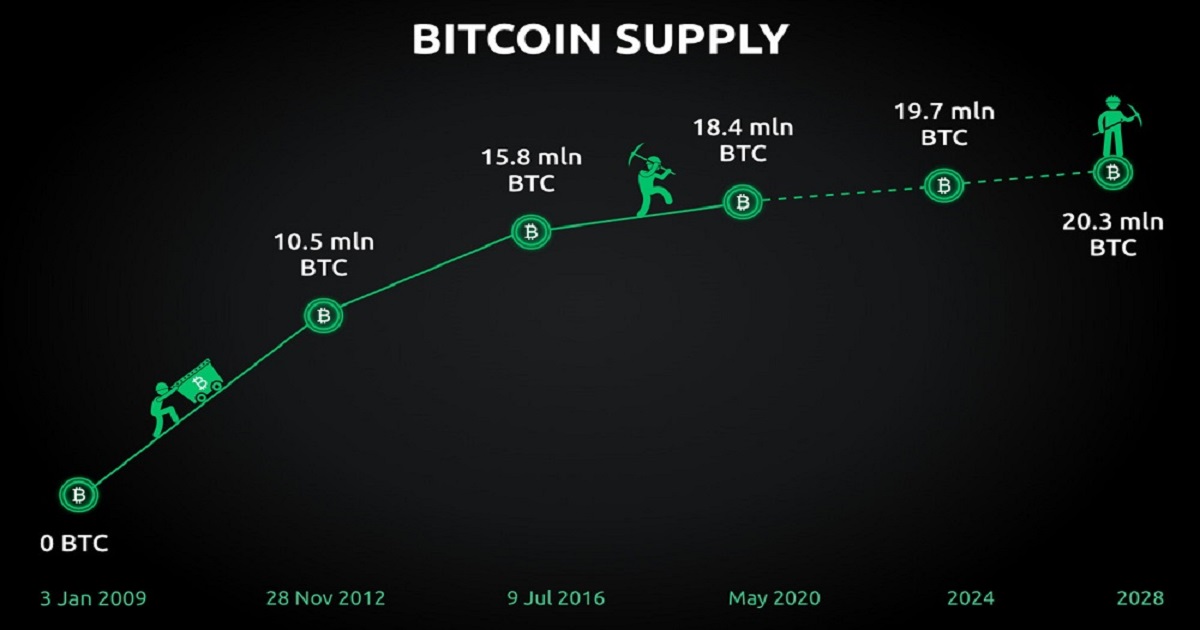
Limited supply (21 million cap + halving events) and fluctuating demand drive price moves. When demand outpaces supply, prices surge; when demand wanes or supply rises (eg, miner sell-offs), prices drop.
What Role Does Investor Sentiment Play?
Market mood swings—optimism on news like ETFs, or fear from hacks and regulation—move prices significantly. Media cycles and public narratives can amplify volatility both ways.
How Do Macro Factors and Regulation Impact It?
Central bank policy (interest rates, inflation), currency devaluation, and big economies' stance on crypto deeply influence Bitcoin's value. Positive regulations often boost confidence; harsh regulation or bans can trigger sell-offs.
Do Technological Upgrades Affect Price?
Yes. Network improvements like Taproot or Lightning enhance use cases and confidence, nudging prices upward. Conversely, security flaws dent trust and can lead to declines.
How Much Does Speculation Matter?
Speculators amplify price movements. Rapid in-and-out trades create volatility, as large orders and algorithmic bots can shift market pricing dramatically.
Conclusion:
So what causes Bitcoin to rise and fall? It's a complex interplay of limited supply, demand cycles, sentiment, macroeconomics, regulation, technology, and speculation. By understanding these drivers, investors can better anticipate shifts and manage risk in the volatile world of Bitcoin.