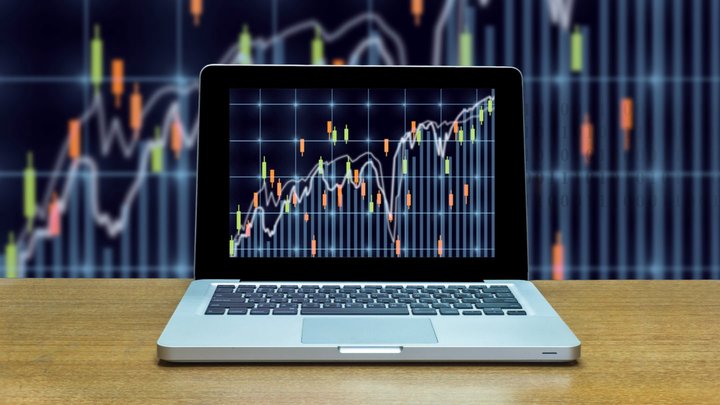
An arbitrage trading program (ATP) is a computer program that seeks to profit from financial market arbitrage opportunities. This article will discuss, "What Does ATP Mean? Exploring the World of Arbitrage Trading Programs". Let's get started.
What Does ATP Mean?
An arbitrary trading program (ATP) is a computer program that seeks to profit from financial market arbitrary opportunities. These opportunities occur when the same asset is mispriced in different markets or when there is a difference between the price of an asset and the price of a derivative on that asset.
How Are ATPs Used?
ATPs are typically used by large financial institutions, such as hedge funds and investment banks. They can be very profitable, but they also require a significant amount of capital and sophisticated trading skills.
The Key Features of an ATP
Here are some of the key features of an ATP:
- High-speed trading: ATPs are designed to trade at very high speeds, often in milliseconds. This allows them to take advantage of arbitration opportunities that may only exist for a short period of time.
- Algorithmic trading: ATPs use complex algorithms to identify and execute trades. These algorithms are designed to minimize risk and maximize profits.
- Large capital: ATPs require a significant amount of capital to operate. This is because they often trade large volumes of assets.
- Sophisticated trading skills: ATPs require sophisticated trading skills to operate. This is because they trade in complex financial markets and use complex algorithms.
The Risks Associated With ATP Trading
ATPs can be a very profitable way to trade financial markets. However, they also require a significant amount of capital, sophisticated trading skills, and a high degree of risk tolerance.
Here are some of the risks associated with ATP trading:
- Market volatility: Market volatility can make it difficult to identify and execute profitable trades.
- Algorithmic errors: Algorithmic errors can lead to losses if they cause the ATP to trade incorrectly.
- Liquidity risk: Liquidity risk is the risk that the ATP may not be able to exit a trade at the desired price.
- Regulatory risk: Regulatory changes can make it more difficult or expensive to operate an ATP.
Overall, ATP trading can be a very profitable way to trade financial markets. However, it is important to understand the risks involved before starting to trade.
What Does ATP Mean? Exploring the World of Arbitrage Trading Programs - hopefully, this article can help you to get some knowledge.