This article is about what factors affect your credit score. Your credit score is a number that reflects your creditworthiness, or how likely you are to repay your debts on time. A credit report is a document that summarizes your credit history, including your loans, credit cards, and payment behavior.
What Factors Affect Your Credit Score?
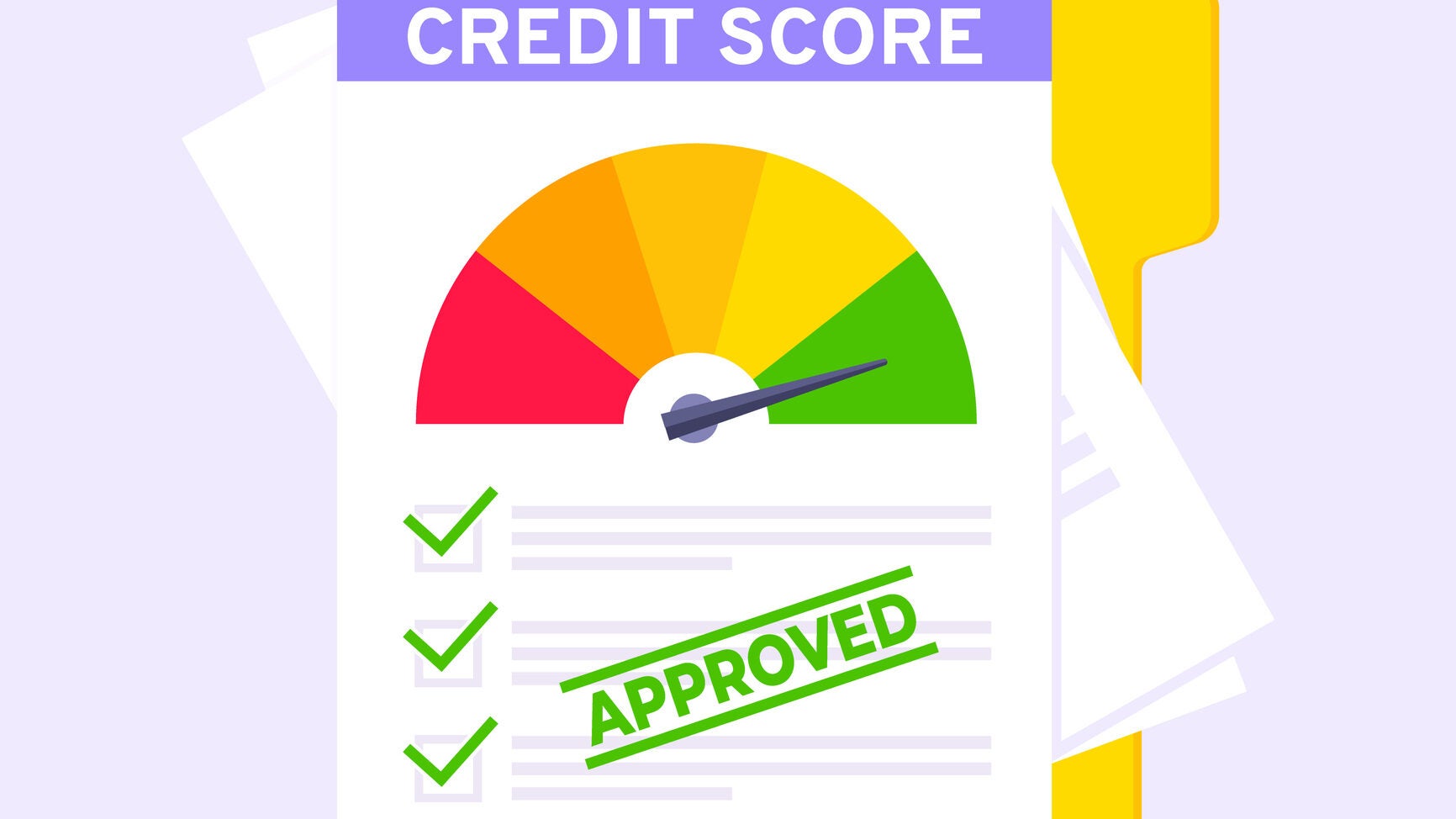
Your credit score is a number that reflects your creditworthiness, or how likely you are to repay your debts on time. It is based on the information in your credit reports, which are compiled by three major credit bureaus: Equifax, Experian and TransUnion. Your credit score can range from 300 to 850. with higher scores indicating better credit.
There are many factors that affect your credit score, but they can be grouped into five main categories:
- Payment history: This is the most important factor, accounting for about 35% of your score. It shows whether you have paid your bills on time, or if you have any late or missed payments, collections, bankruptcies or other negative marks on your credit history.
- Credit utilization: This is the second most important factor, accounting for about 30% of your score. It shows how much of your available credit you are using, or your balance-to-limit ratio. The lower your credit utilization, the better for your score. A good rule of thumb is to keep it below 30% of your total credit limit.
- Length of credit history: This factor accounts for about 15% of your score. It shows how long you have been using credit, or the average age of your accounts. The longer your credit history, the better for your score, as it demonstrates that you have experience managing credit.
- Credit mix: This factor accounts for about 10% of your score. It shows the diversity of your credit portfolio, or the types of credit you have, such as credit cards, loans, mortgages, etc. Having a mix of different kinds of credit can boost your score, as it shows that you can handle various forms of debt.
- New credit: This factor accounts for about 10% of your score. It shows how many new accounts you have opened or applied for in the past 12 months. Too many inquiries or new accounts can lower your score, as it indicates that you may be taking on too much debt or facing financial difficulties.
By understanding these factors and how they affect your credit score, you can take steps to improve it and maintain a good credit profile. A good credit score can help you qualify for better interest rates and terms on loans and credit cards, save money on insurance premiums and utility deposits, and access more financial opportunities.
How Can I Get My Credit Report?
There are three main ways:
- Request a free copy from each of the three major credit bureaus (Equifax, Experian, and TransUnion) once every 12 months through www.annualcreditreport.com. This is the only authorized website for free credit reports under federal law.
- Purchase a copy from one or more of the credit bureaus or from a third-party service that provides credit monitoring or identity protection. You may have to pay a fee for this option, depending on the service and the frequency of the reports.
- Get a free copy from a source that has a legitimate business need to provide you with one, such as a lender, employer, or landlord. You may have to give your consent or authorization for this option.
What Should You Do After You Get Your Credit Report?
You should:
- Review it carefully and check for accuracy and completeness
- Dispute any errors or inaccuracies with the credit bureau that issued the report
- Follow up on any negative or suspicious items, such as late payments, collections, or inquiries
- Take steps to improve your credit score, such as paying your bills on time, reducing your debt, and using your credit responsibly
- Keep track of your progress and update your report regularly
Getting your credit report is an essential step to managing your finances and achieving your goals.
Bottom Line
In this article, we have discussed what factors affect your credit score. By knowing what's in your report and how to improve it, you can boost your credit score and unlock more opportunities and benefits in the future.