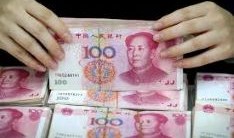
A currency peg is a policy in which a national government sets a specific fixed exchange rate for its currency with a foreign currency or a basket of currencies. Pegging a currency stabilizes the exchange rate between countries. Doing so provides long-term predictability of exchange rates for business planning. However, a currency peg can be challenging to maintain and distort markets if it is too far removed from the natural market price.
Why pegged currency?
The primary motivation for currency pegs is to encourage trade between countries by reducing foreign exchange risk. Profit margins for many businesses are low, so a small shift in exchange rates can eliminate profits and force firms to find new suppliers. That is particularly true in the highly competitive retail industry.
Advantages of pegged currency
Pegged currencies can expand trade and boost real incomes, particularly when currency fluctuations are relatively low and show no long-term changes. Without exchange rate risk and tariffs, individuals, businesses, and nations are free to benefit fully from specialization and exchange. According to the theory of comparative advantage, everyone will be able to spend more time doing what they do best.
With pegged exchange rates, farmers will be able to simply produce food as best they can, rather than spending time and money hedging foreign exchange risk with derivatives. Similarly, technology firms will be able to focus on building better computers. Perhaps most importantly, retailers in both countries will be able to source from the most efficient producers. Pegged exchange rates make more long-term investments possible in another country. With a currency peg, fluctuating exchange rates are not constantly disrupting supply chains and changing the value of investments.
In Conclusion
A pegged currency brings about stabilisation in the global economy. This facilitates better and stable exchange rates between countries.