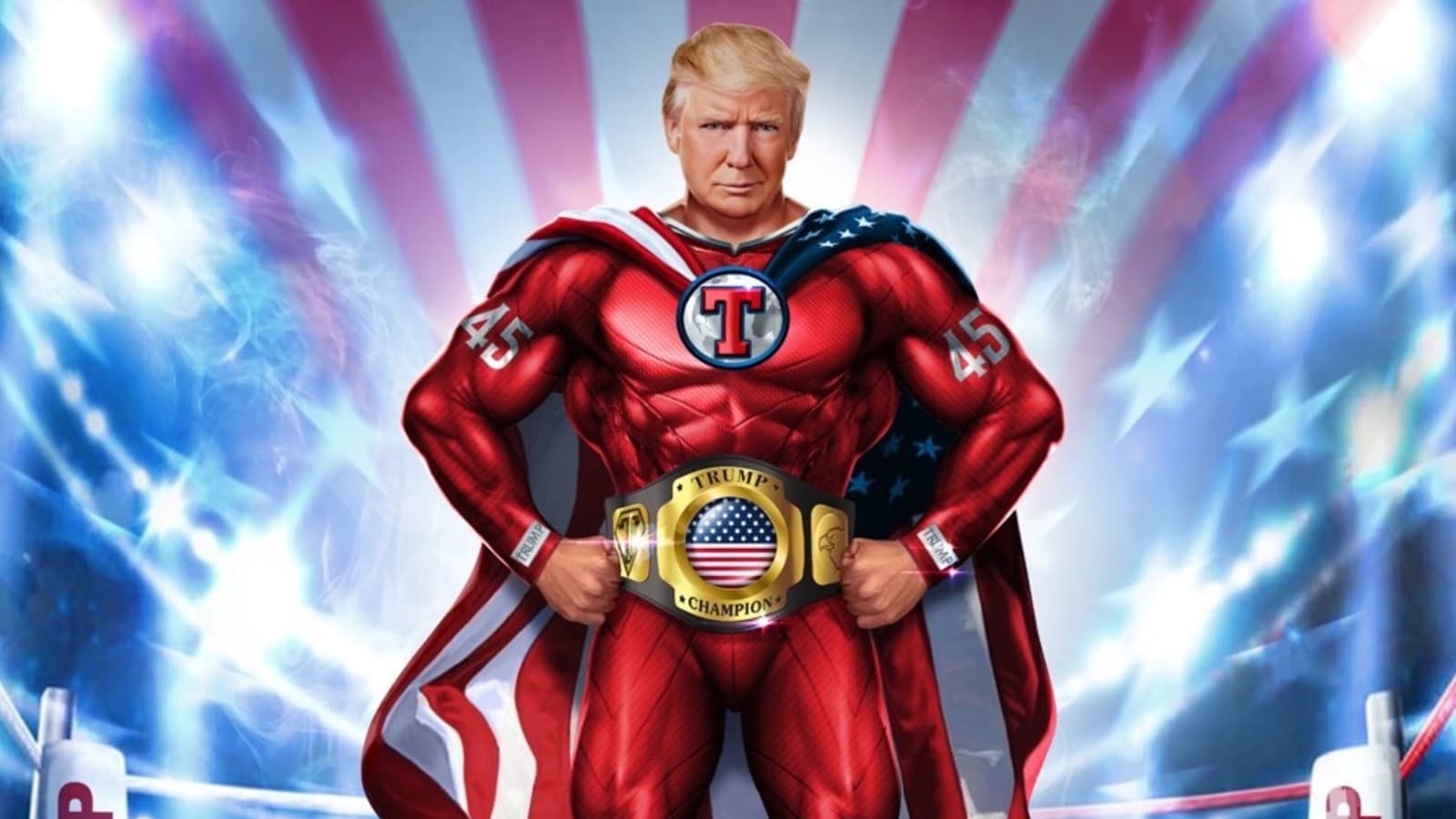
In this article, we will discuss what is a security according to the SEC for NFT. The NFT industry is developing so fast and many people are getting into this field. So, cases where concerns with financial regulations come into play happen and there are facts that securities regulators can classify NFTs as a security.
What is a Security According to the SEC for NFT?
The US Securities and Exchange Commission (SEC) is ramping up its investigation and potential enforcement activities against sellers of nonfungible tokens (NFTs) and marketplaces that connect buyers and sellers. Regulators have been sniffing around this area for months, and finally out have the The first subpoenas related to a very limited set of NFTs, focusing on whether the NFTs should be considered securities under federal securities law.
The SEC's inquiry will likely be focused on whether certain NFT projects are being used to raise money, in the manner of traditional securities, rather than sold as more traditional memorabilia or art.
While the latest NFT probe has raised concerns within the industry, blockchain technologies have been under scrutiny by the SEC for some time and the possibility of regulation has been looming.
The United States and NFT Securities
An NFT is considered a “security” or “investment contract” — they are: (1) investment of money, (2) into a common enterprise, (3) where there is an expectation of profits, and (4) profits received from efforts of third parties.
While the regulation of digital assets is primarily housed under federal law with the US Securities and Exchange Commission (SEC) and Commodity Futures Trading Commission (CFTC), each state has its own securities law, which may have different or additional requirements to that of federal law.
Securities regulators in the states of Texas and Alabama issued cease and desist orders to Cyprus-based virtual casino developer, Sand Vegas Casino Club, to stop selling NFTs, alleging it was illegally offering unregistered securities.
By and through its Gambler Ape NFTs — a virtual gambling character — Sand Vegas promoted to buyers that purchasing an NFT would provide certain benefits, including a share of any profits generated by the casinos Sand Vegas created.
According to Sand Vegas, the proceeds generated from its NFT sales were to be used to create virtual casinos throughout the metaverse. However, regulators in both states found several “forgotten” steps that the online casino developer failed to take in efforts of marketing its NFTs to consumers and prospective investors, including:
- Failing to disclose the actual address of Sand Vegas;
- Failing to disclose all of Sand Vegas' business partners and officers, in addition to their backgrounds and qualifications for due diligence;
- Using a logo that closely resembled an established trademark belonging to another Las - Vegas-based gaming company, which creates a high likelihood of consumer confusion;
- Failing to disclose that company principals would be entitled to receive a 10% royalty on the sales of all NFTs listed on OpenSea;
- Failing to state the associated risks with operating a casino; and
- Failing to state the associated risks when buying, selling, and/or trading NFTs
Later that month, OpenSea delisted Sands Vegas from its marketplace in response to the cease and desist orders.
Bottom Line
If you are trying to get into the crypto and NFT field, you will need to take care of the financial regulations about buying and selling NFTs. So, this article explains you about what is a security according to the SEC for NFT.