This article is about what is a store of value. A store of value is an asset that retains its value over time. If you acquire a good store of value today, you can reasonably expect its value not to depreciate over time. In the future, you would anticipate the asset to be worth the same or even more.
What is a Store of Value?
A store of value refers to an asset or form of currency that maintains its purchasing power and retains its worth over time. It is a way to preserve wealth and protect against inflation or economic uncertainties.
Several characteristics contribute to making a good store of value:
Stability: A good store of value should exhibit stability in its purchasing power over time. It should maintain its worth and not experience significant fluctuations in value, especially in comparison to other assets or currencies.
Durability: The asset or form of currency should be durable and resistant to damage or degradation over time. It should be able to retain its value even in the face of physical wear and tear.
Portability: Ease of transport and transferability is important for a store of value. It should be convenient to carry or transfer the asset or currency from one location to another without incurring excessive costs or complications.
Divisibility: The ability to divide the asset or currency into smaller units is crucial for practical use. Divisibility allows for flexibility in transactions, enabling individuals to use or exchange only the necessary portion of the store of value.
Recognizability: The asset or currency should be widely recognized and accepted as a store of value by individuals and institutions. It should have a level of universal acceptance and trust, facilitating its use in various transactions.
Scarcity: Scarcity adds to the value of an asset or currency. If the supply is limited or controlled, it can help maintain or increase its worth over time, as scarcity often leads to increased demand.
Security: A good store of value should offer a certain level of security to protect against theft, fraud, or loss. It should provide reliable mechanisms for safeguarding and storing the asset or currency, ensuring that it can be accessed and utilized by the rightful owner.
Common examples of stores of value include precious metals like gold, stable currencies, real estate, and certain investment vehicles like bonds. The concept of a store of value is important in financial planning and wealth management strategies.
Bitcoin's Qualification as a Good Store of Value
Bitcoin is often referred to as a store of value, and many people view it as digital gold. However, whether Bitcoin qualifies as a good store of value is a matter of debate and subjective interpretation. Here are some factors to consider:
Volatility: Bitcoin has historically exhibited high levels of price volatility, experiencing significant price swings over short periods. This volatility can make it challenging for Bitcoin to serve as a stable store of value.
Limited history: Bitcoin is a relatively new asset, having been created in 2009. It has yet to withstand the test of time and economic cycles, which makes it difficult to assess its long-term viability as a store of value.
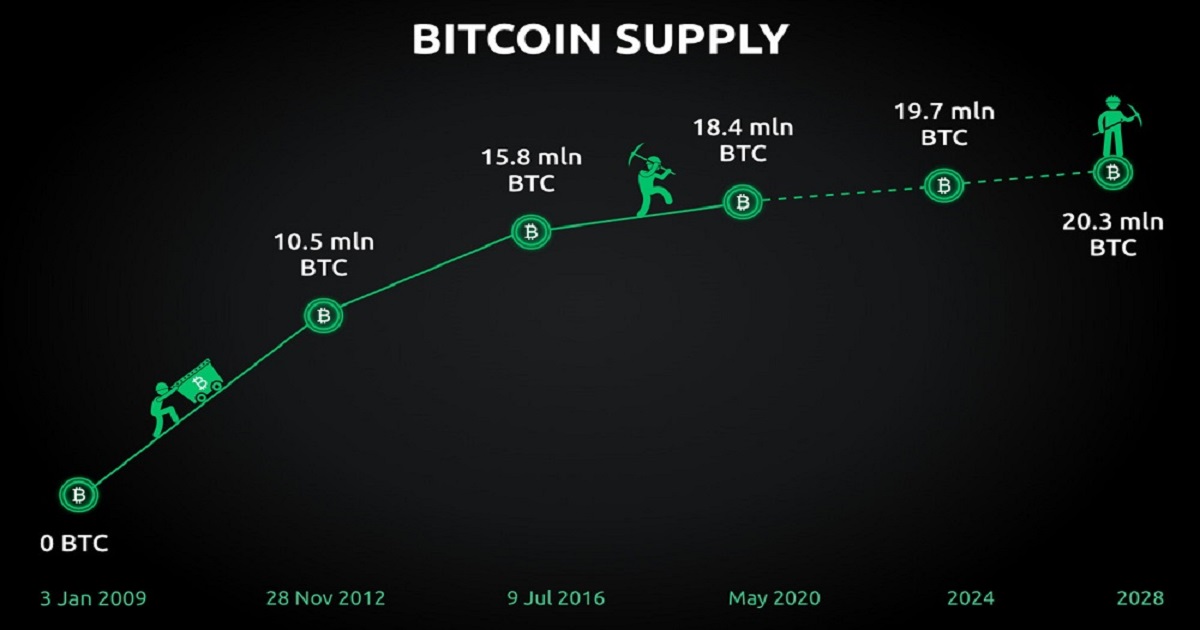
Scarcity: Bitcoin's supply is limited by its protocol, with a maximum cap of 21 million coins. This scarcity feature aligns with the store-of-value characteristic of limited supply, similar to gold.
Store-of-value narratives: Bitcoin has gained recognition and adoption as a store of value by some investors and institutions who view it as a hedge against inflation, currency devaluation, or economic uncertainty. This perception has contributed to its market value and popularity.
Acceptance and liquidity: Bitcoin's acceptance and liquidity have grown over time, with increasing numbers of merchants and institutions recognizing it as a form of payment. The broader acceptance and liquidity of an asset can enhance its potential as a store of value.
Bottom Line
In this article, we will discuss what is a store of value. The store-of-value status of Bitcoin may vary among different individuals and institutions based on their beliefs, risk tolerance, and investment strategies.