I can provide information about Bitcoin bonus mining and things related to it. So, keep reading this short guide below.
What Is Bitcoin Bonus Mining?
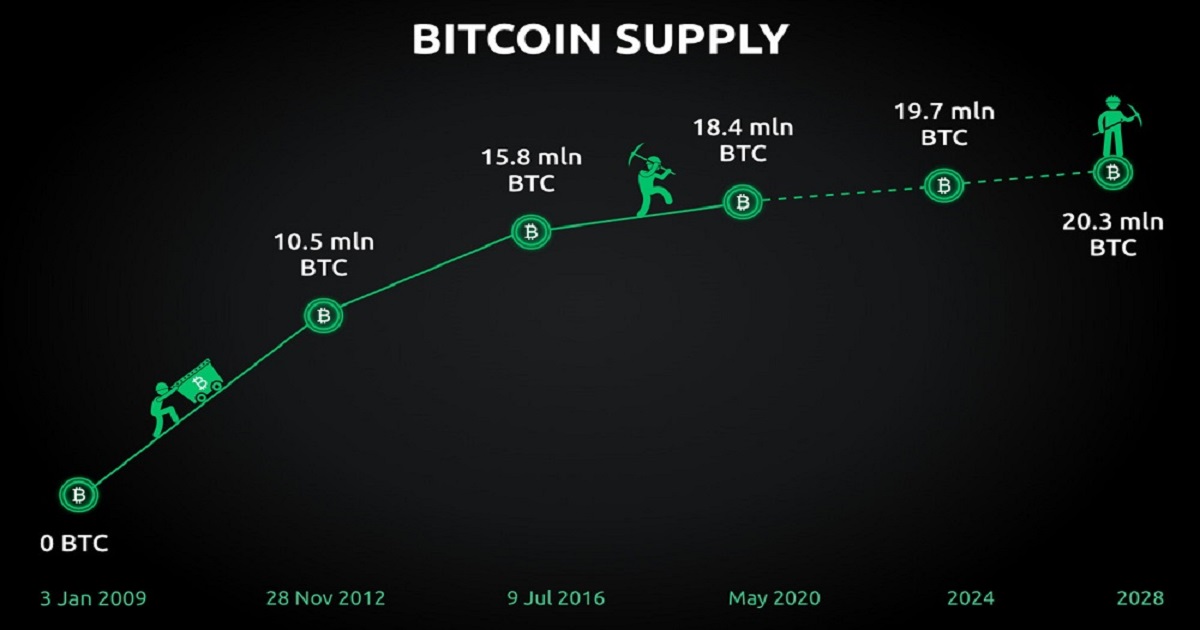
Bitcoin mining is the process by which new bitcoins are created and transactions are verified and added to the blockchain. Miners use specialized hardware and software to solve complex mathematical problems, and in return, they are rewarded with newly minted bitcoins. This process is essential ial for The security and functioning of the Bitcoin network.
While mining itself generates rewards in the form of newly created bitcoins, there are certain bonus schemes or incentives that mining pools or platforms may offer to miners. Bitcoin Bonus Mining can vary and may include:
Mining Pool Bonuses: Mining pools are collaborative groups of miners who combine their computing power to increase their chances of earning rewards. Some mining pools offer bonuses to encourage miners to join their pool. These bonuses can be in the form of additional bitcoins or other rewards .
Referral Bonuses: Some mining platforms provide referral programs where existing miners can earn bonuses by referring new miners to the platform. These bonuses are typically a percentage of the referred miner's earnings.
Block Bonuses: Occasionally, miners may receive additional bonuses for successfully mining a block. These bonuses are separate from the regular block reward and are typically given as a recognition of the miner's contribution to the network.
It's worth noting that the specifics of bonuses and incentives can vary between different mining pools, platforms, and time periods. Therefore, it's important to research and understand the terms and conditions of any mining pool or platform before participating.
Can I Mine BTC With Zero Knowledge?
Mining Bitcoin requires technical knowledge and specialized equipment. While it is technically possible to start mining Bitcoin with minimal knowledge, it is not recommended or practical to do so. Here are a few reasons why:
Technical Requirements: Bitcoin mining requires powerful hardware specifically designed for mining, known as ASICs (Application-Specific Integrated Circuits). These devices are expensive and consume significant amounts of electricity. Without the right equipment, it would be challenging to compete with other miners and generate any meaningful rewards.
Mining Difficulty: The Bitcoin network adjusts the mining difficulty level periodically to ensure that new blocks are added approximately every 10 minutes. As more miners join the network and more computational power is added, the difficulty increases. ate knowledge and resources would likely result in negligible earnings or even losses due to high electricity costs.
Competitive Environment: The Bitcoin mining space has become highly competitive over the years. Large-scale mining operations, often located in regions with low energy costs, dominate the network. These operations have the advantage of economies of scale, making it diffic ult for individual miners with limited resources to compete effectively.
Maintenance and Operational Considerations: Mining also involves managing hardware, cooling systems, and staying up to date with the latest mining software and configurations. It requires ongoing maintenance and monitoring, which can be time-consuming and require technical expertise.
This is about Bitcoin bonus mining. Considering these factors, it's generally more practical for individuals interested in Bitcoin to participate in other ways, such as buying and holding Bitcoin as an investment or trading it on cryptocurrency exchanges.