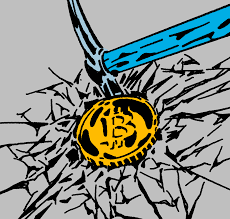
Block reward exists to incentivize miners to participate in the network and perform the computational work required to process transactions and maintain the security of the blockchain. Without a block reward, there would be little incentive for miners to contribute their computational power to the network, which could result in a weaker and less secure blockchain. In this article, you will learn what is block reward in crypto mining.
What is Block Reward in Crypto Mining?
Block reward refers to the amount of cryptocurrency that is given to miners for successfully mining a block on a blockchain. When a miner successfully adds a new block to the blockchain, they are rewarded with a certain amount of cryptocurrency, which is typically a fraction of the total supply of that cryptocurrency.
In the case of Bitcoin, for example, the current block reward is 6.25 BTC per block. This means that when a miner successfully mines a block, they are rewarded with 6.25 BTC.
Block reward serves as an incentive for miners to contribute their computational power to secure the network and process transactions on the blockchain. Without block rewards, miners would have no incentive to continue mining, and the blockchain would be vulnerable to attack.
Over time, block rewards in cryptocurrencies like Bitcoin decrease as the total supply of the cryptocurrency increases. This is known as a block reward halving, and it occurs at regular intervals. In the case of Bitcoin, block rewards are halved approximately every four years, and the next halving is expected to occur in 2024.
In addition to block reward, miners also earn transaction fees for processing transactions on the blockchain. As the number of transactions on the blockchain increases, transaction fees can become a significant source of income for miners.
What is the Impact of Block Rewards on Altcoins?
Block reward can have a significant impact on the viability and success of altcoins, which are alternative cryptocurrencies that are not Bitcoin. The block reward system is an important factor that can determine the profitability of mining an altcoin and the level of security of its blockchain.
In general, altcoins tend to have lower block rewards than Bitcoin, which makes them more accessible to individual miners with lower computational power. However, this also means that altcoins may be more susceptible to attacks, as the lower block reward may not provide enough incentive for miners to secure the network.
Additionally, the block reward structure of an altcoin can affect its value and popularity in the market. Altcoins with a high block reward may be seen as more attractive to miners, as they offer higher potential profits. However, a high block reward can also lead to inflation, as new coins are added to the circulating supply at a faster rate.
On the other hand, altcoins with a low block reward may be seen as more stable and secure, as they are less susceptible to inflation and may have a more consistent supply. However, a low block reward can also lead to lower mining incentives and reduced network security.
Bottom Line
Block reward is an essential component of the blockchain network, as it provides a powerful incentive for miners to contribute their computational power to maintain the network's security and process transactions. This article is about what is block reward in crypto mining.