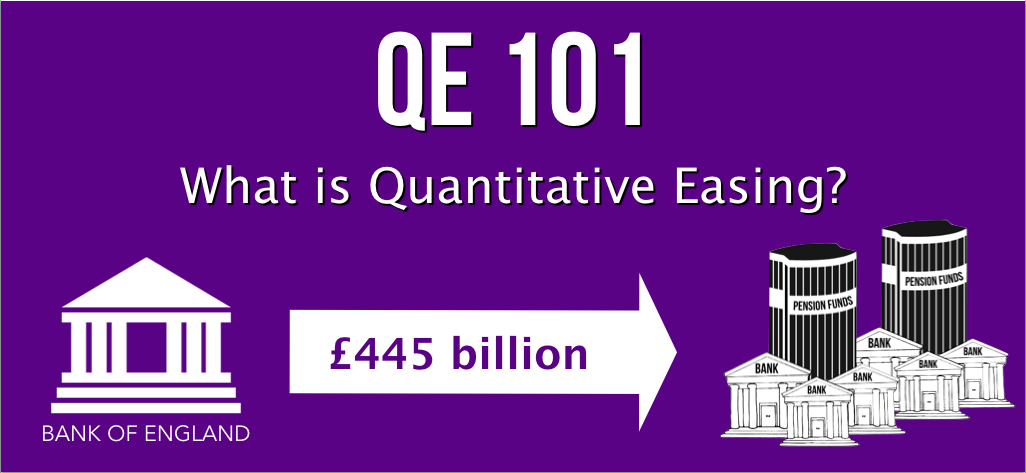
Quantitative easing (QE) is a term that frequently pops up during economic crises. But what is quantitative easing, and how does it impact economies? Let's break it down.
What Is Quantitative Easing?
Quantitative easing is a monetary policy tool used by central banks to stimulate economic growth during downturns. It involves purchasing government bonds or other financial assets to inject money into the economy.
How Does Quantitative Easing Work?
Here's a simplified process:
1. Central banks buy government securities from financial institutions.
2. This increases the money supply in the economy.
3. Banks lend more, encourage investment and consumer spending.
What Are the Benefits of Quantitative Easing?
QE can:
Stimulate Growth: By lowering interest rates, QE encourages borrowing and spending.
Prevent Deflation: Injecting money combats falling prices.
Support Asset Prices: QE can stabilize stock and housing markets.
What Are the Risks of Quantitative Easing?
While effective, QE isn't without risks:
Inflation: Excess money supply can lead to rising prices.
Asset Bubbles: Over-inflated stock or real estate markets can occur.
Inequality: Wealthy individuals benefit more due to rising asset prices.
Conclusion
Quantitative easing is a powerful, though controversial, tool for stabilizing economies during crises. Its long-term impacts warrant careful consideration.
What Is Quantitative Easing? How Does It Impact Economies? - I hope this article was informative.