logo
  • menu
  • Markets
  • ETFs
  • Live
  • Spot
  • Futures
  • Bots
  • Learn
  • Sign In
  • Sign Up
  • Downloads
  • English
  • |
  • USD
  • |
Sign Up
Crypto PricesLearnLatest NewsDownloadsMarketsSpotAnnouncements
Home/
Learn/
Crypto Basics

What Is Satoshi Wallet Address? How Many Bitcoins Does Satoshi Nakamoto Have?

By Cornell Rachel
Nov 22, 2024
4.4 
★
★
★
★
★
★
★
★
★
★
 139 User Rating
Share

Bitcoin creator Satoshi Nakamoto is believed to control one of the largest Bitcoin holdings in history. Blockchain researchers estimate that Satoshi may own around 1.1 million BTC, spread across thousands of early mining wallet addresses.

This guide explains:

- What Satoshi Nakamoto’s wallet address is

- How researchers estimate Satoshi’s Bitcoin holdings

- What the Patoshi Pattern means

- Whether Satoshi’s Bitcoin has ever moved

- Why these wallets matter to the crypto market

Key Takeaways

What Is Satoshi Nakamoto’s Wallet Address?

The most famous Satoshi Nakamoto wallet address is the Bitcoin Genesis Block address:

1A1zP1eP5QGefi2DMPTfTL5SLmv7DivfNa

This was the first Bitcoin address ever used and received the first 50 BTC block reward in January 2009.

Although the Genesis wallet is publicly visible on the Bitcoin blockchain, researchers believe Satoshi controls many additional wallet addresses linked to early Bitcoin mining activity.

How Many Bitcoins Does Satoshi Nakamoto Have?

Blockchain analysts estimate that Satoshi Nakamoto owns approximately 1.1 million BTC.

At current market prices, this would make Satoshi one of the richest Bitcoin holders in the world.

However, the exact amount remains unknown because:

- Satoshi used many different wallet addresses

- Bitcoin addresses are pseudonymous

- No wallet has been publicly confirmed by Satoshi

Most estimates are based on early mining patterns discovered by blockchain researchers.

The Patoshi Pattern Explained

One of the most important studies about Satoshi’s Bitcoin holdings is the “Patoshi Pattern.”

The Patoshi Pattern was identified by blockchain researcher Sergio Demian Lerner in 2013. By analyzing early Bitcoin block mining behavior, Lerner discovered that a single miner appeared to mine a very large percentage of Bitcoin blocks during Bitcoin’s first years.

Researchers believe this miner was likely Satoshi Nakamoto.

The analysis showed:

- Around 22,000 early Bitcoin blocks may have been mined by one entity

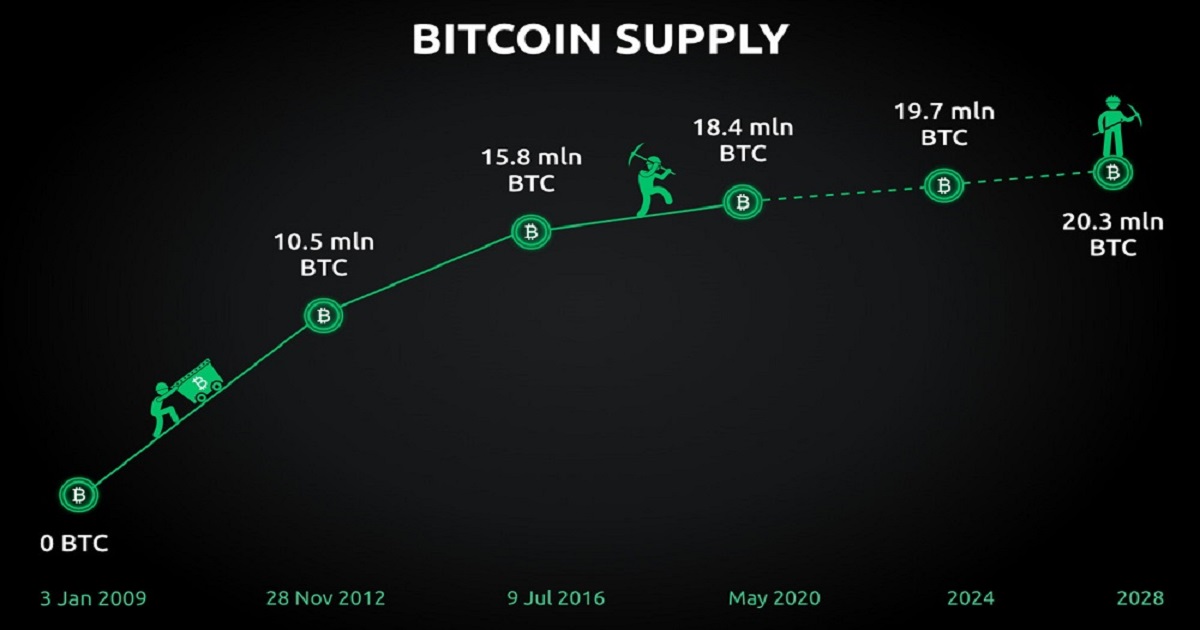
- Approximately 1.1 million BTC remain untouched

- Most of these coins have never been moved

This research became one of the strongest pieces of evidence used to estimate Satoshi’s Bitcoin wealth.

Has Satoshi Ever Moved the Bitcoin?

Most wallets believed to belong to Satoshi Nakamoto have remained inactive since the early days of Bitcoin.

This is significant because:

- It reduces circulating Bitcoin supply

- It increases Bitcoin scarcity

- It contributes to the “digital gold” narrative

Any movement from suspected Satoshi wallets would likely have a major impact on the cryptocurrency market.

Why Satoshi’s Wallet Matters

Satoshi Nakamoto’s Bitcoin holdings are important because they represent:

- One of the largest dormant Bitcoin reserves

- A key part of Bitcoin history

- A potential source of future market volatility

Many investors monitor early Bitcoin wallet addresses closely for unusual activity.

# How Researchers Estimate Satoshi’s Bitcoin Holdings

This article is based on publicly available blockchain data and historical blockchain analysis research.

The estimates discussed come primarily from:

- Bitcoin blockchain transaction analysis

- Early mining behavior studies

- Sergio Demian Lerner’s Patoshi Pattern research

- Public blockchain explorer data

Because Bitcoin addresses are anonymous, no estimate can be considered fully confirmed.

Who Wrote This Analysis?

This article was written by Cornell Rachel based on publicly verifiable blockchain research, Bitcoin history, and chain analysis research related to early Bitcoin mining activities.

The goal is to provide readers with a clear and beginner-friendly explanation of how Satoshi Nakamoto’s estimated Bitcoin holdings are calculated.

FAQs

Q: What is Satoshi Nakamoto’s wallet address?

The most well-known Satoshi wallet address is:

1A1zP1eP5QGefi2DMPTfTL5SLmv7DivfNa

This is the Bitcoin Genesis Block address.

Q: How much Bitcoin does Satoshi Nakamoto own?

Most blockchain researchers estimate that Satoshi owns around 1.1 million BTC.

Q: Has Satoshi Nakamoto ever spent the Bitcoin?

Most wallets associated with Satoshi have remained inactive and the coins appear untouched.

Q: What is the Patoshi Pattern?

The Patoshi Pattern is a blockchain mining analysis method used to identify blocks likely mined by Satoshi Nakamoto during Bitcoin’s early years.

Q: Why is Satoshi’s Bitcoin important?

Because the wallets contain a massive amount of BTC, any movement could affect market sentiment and Bitcoin prices.

Final Thoughts

Although Satoshi Nakamoto’s true identity remains unknown, blockchain research provides strong evidence that the Bitcoin creator mined and still controls a massive amount of BTC.

The famous Genesis wallet address and the Patoshi mining pattern continue to be central pieces of evidence in understanding Bitcoin’s earliest history.


Disclaimer: The information on this page may have been obtained from third parties and does not necessarily reflect the views or opinions of BitKan. This content is provided for general informational purposes only, without any representation or warranty of any kind, nor shall it be construed as financial or investment advice. BitKan shall not be liable for any errors or omissions, or for any outcomes resulting from the use of this information. Investments in digital assets can be risky. Please carefully evaluate the risks of a product and your risk tolerance based on your own financial circumstances. Products mentioned in this article may not be available in your region.

Related Articles

  • Crypto Trading Bots: What Are They and How Do They Work?

    Crypto Trading Bots: What Are They and How Do They Work?

    A crypto trading bot is a software application designed to automate the process of buying and selling digital assets, acting as an interface between the user and a cryptocurrency exchange.
    Cornell Rachel
    Jun 26, 2026
  • What Is Rehypothecation Risk in Crypto? How to Protect Yourself

    What Is Rehypothecation Risk in Crypto? How to Protect Yourself

    Rehypothecation is a practice where a lending platform takes collateral pledged by its clients and uses it for its own purposes.
    James Dean
    Jun 17, 2026
  • What Are Crypto Prediction Markets? A Complete Guide for Beginners

    What Are Crypto Prediction Markets? A Complete Guide for Beginners

    Crypto prediction markets are peer-to-peer decentralized financial platforms where participants trade contracts tied to the outcomes of real-world events, such as elections, sports, or economic data releases.
    Jun 12, 2026

Latest Articles

Crypto Basics

Tutorials

Currencies

Investing

  • What Are ARC-20 Tokens? How Do ARC-20 Tokens Work?

    What Are ARC-20 Tokens? How Do ARC-20 Tokens Work?

    ARC-20 tokens are a fungible token standard built on the Atomicals protocol, where each token is backed by at least one satoshi to ensure a minimum floor value.
    James Dean
    Jul 27, 2026
  • What Is the Usual Protocol? How Does Its Tokenomics Work?

    What Is the Usual Protocol? How Does Its Tokenomics Work?

    The Usual Protocol is a decentralized, permissionless banking system that issues a fiat-backed stablecoin collateralized by Real-World Assets (RWAs) such as U.S. Treasury bills.
    James Dean
    Jul 24, 2026
  • What Are AI Agent Frameworks? How Do They Power Cryptocurrency?

    What Are AI Agent Frameworks? How Do They Power Cryptocurrency?

    AI agent frameworks are software toolkits that provide the control layer, memory, and orchestration logic required for agents to reason, plan, and execute multi-step tasks independently.
    Cornell Rachel
    Jul 21, 2026
  • What Is JPYSC? How Japan’s Regulated Stablecoin Works

    What Is JPYSC? How Japan’s Regulated Stablecoin Works

    JPYSC is a digital version of the Japanese yen, engineered to maintain a 1:1 parity with the fiat currency while operating on blockchain infrastructure.
    Craig Green
    Jul 17, 2026
  • What Is Cross-Chain Interoperability? How Does It Function?

    What Is Cross-Chain Interoperability? How Does It Function?

    Cross-chain interoperability is the technological capability of independent blockchain networks to securely exchange assets, data, and functional instructions without central intermediaries.
    Jerry McNeill
    Jul 8, 2026
View more data 

Content

BTCBTC(BTC)
$0
--(Last 24h)
SpotFutures

Top

View more
  1. 1How To Sign Up For A BitKan Account (Web)?
  2. 2When Is Bitcoin Halving 2024? What Does Bitcoin Halving Do?
  3. 3What is Etherscan Used For and How to Find Token Decimal on Etherscan
  4. 4What is USDC used for? Why is USDC used?

Top Gainers

View more
Heima
HeimaHEI

$0.1798

+92.30%
Bless
BlessBLESS

$0.0184

+74.95%
Warden
WardenWARD

$0.004374

+44.55%
Synapse
SynapseSYN

$0.1210

+39.38%
Cash Cat
Cash CatCASHCAT

$0.0922

+34.91%

Top Trending

View more
Ripple
RippleXRP

$1.0648

-1.06%
PAX Gold
PAX GoldPAXG

$4,241.19

+3.97%
Heima
HeimaHEI

$0.1796

+92.09%
Pump fun
Pump funPUMP

$0.002511

+10.81%
Synapse
SynapseSYN

$0.1211

+39.46%

Recently added

View more
Coherent
CoherentCOHRB

$330.140

+3.39%
AST SpaceMobile
AST SpaceMobileASTSB

$68.4000

-1.20%
ASML
ASMLASMLB

$1,686.01

-0.98%
Astera Labs
Astera LabsALABB

$326.000

-8.80%
Credo Technology
Credo TechnologyCRDOB

$230.540

-1.64%

Latest News

View more
  1. 1Wall Street Banks Cautious as Crypto Perpetual Futures Arrive
  2. 2Bitcoin Steady at $65K; Fed Decision Set to Determine Path
  3. 3Mystery Shiba Inu Rally Hits 36% Fueled by Korean Exchanges
  4. 4AI Stock Selloff Hits Wall Street; Bitcoin Holds $65K Level
  5. 5Brazil’s CVM Launches 60-Day Sprint to Tokenize Securities
About Us
  • About BitKan
  • Contact Us
  • Announcements
  • VIP Program
  • BitKan Ambassador
  • Institutional Services
Products
  • Spot
  • Futures
  • Crypto Prices
  • Learn
  • News
  • Markets
  • How to Buy Crypto
  • BTC to USD Calculator
  • Reward
Help
  • Help Center
  • Email Us
  • Live Chat
  • Download APP
  • Listing Application
  • Buy Bitcoin
  • Buy Ethereum
  • Buy Dogecoin
  • Buy Altcoins
Terms
  • Terms of Use
  • Privacy Policy
  • Trading Rules
  • Fee
K-Site
English
About Us
+
  • About BitKan
  • Contact Us
  • Announcements
  • VIP Program
  • BitKan Ambassador
  • Institutional Services
Products
+
  • Spot
  • Futures
  • Crypto Prices
  • Learn
  • News
  • Markets
  • How to Buy Crypto
  • BTC to USD Calculator
  • Reward
Help
+
  • Help Center
  • Email Us
  • Live Chat
  • Download APP
  • Listing Application
  • Buy Bitcoin
  • Buy Ethereum
  • Buy Dogecoin
  • Buy Altcoins
Terms
+
  • Terms of Use
  • Privacy Policy
  • Trading Rules
  • Fee
K-Site
+
  • Twitter
  • Facebook
  • Telegram
  • YouTube
  • Instagram
  • Medium
  • Linkedin
@2012-2026 BITKAN.com