Bitcoin, the pioneering cryptocurrency, has always held a certain mystique. Not just for its volatile price swings, but for its intricate inner workings. One often overlooked aspect of this complexity is the smallest unit of Bitcoin: the satoshi. But are these minuscule "bits" simply fractions of a digital gold bar, or do they hold the key to unlocking the future of micropayments and beyond?
What in the Blockchain is a Satoshi?
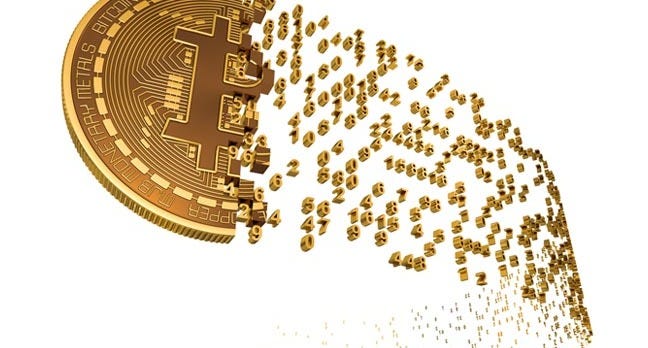
Imagine slicing a pizza, not once, not twice, but 100 million times. Each of those infinitesimal slivers is a satoshi, named after Bitcoin's enigmatic creator, Satoshi Nakamoto. One Bitcoin equals 100,000,000 satoshis, making them the building blocks of the whole digital pie.
So, why care about such tiny crumbs? Their significance lies in their potential to democratize transactions. For everyday purchases, fractions of a cent aren't worth processing through traditional financial systems. But with satoshis, you can buy a digital newspaper article, tip a content creator, or even pay for a coffee with near-perfect granularity.
Micropayments: A Penny Saved Is a Satoshi Earned
Imagine a world where creators are directly compensated for their digital work, no matter how small. With satoshis, musicians could earn tiny fractions for each stream of their song, writers could charge by the word, and artists could receive micro-tips for their Instagram posts. This opens up a whole new revenue stream for countless individuals, fostering a more equitable and diverse digital economy.
Beyond micropayments, satoshis also hold promise for disrupting traditional industries. Imagine paying for electricity by the kilowatt, or topping up your mobile data with a few satoshis instead of clunky data packs. The possibilities for granular consumption and micro-transactions are endless.
The Ordinal Odyssey: Inscribing Value Onto Scarcity
But satoshis aren't just for micro-dust in your digital wallet. Thanks to innovations like the Ordinals protocol, individual satoshis can now be "inscribed" with data, essentially turning them into unique, non-fungible tokens (NFTs). This opens up another exciting frontier: scarcity at the most microscopic level.
Imagine owning a single satoshi inscribed with a digital artwork, or one containing a historical tweet from your favorite celebrity. These "ordinal inscriptions" add another layer of value and collectible potential to the already scarce Bitcoin network.
The Satoshi Conundrum: Challenges and Uncertainties
While the potential of satoshis is undeniable, some hurdles remain. Scaling Bitcoin for widespread adoption of micropayments is a complex challenge. Additionally, the technical complexities of ordinal inscriptions might leave some users behind. And, as with any nascent technology, regulatory uncertainties loom large.
SATS: A Tiny Brick in a Monumental Future
Despite these challenges, the potential of satoshis to revolutionize micropayments, digital ownership, and even data monetization is undeniable. From powering the creator economy to enabling hyper-granular consumption, these infinitesimal pieces of Bitcoin could hold the key to unlocking a whole new financial paradigm.
So, the next time you look at Bitcoin's price, remember – the real revolution might be brewing not in whole coins, but in the tiniest of satoshis. Whether they become the micropayments of the future or the building blocks of a decentralized data market, one thing is certain: satoshis are a force to be reckoned with, etching their way into the story of blockchain innovation one minuscule inscription at a time.
What is SATS? What in the Blockchain is a Satoshi? - I hope this article was informative.