What Is Store Of Value? A store of value is an asset that maintains its value, rather than depreciates. Let's explore more in this article.
What Is Store Of Value?
An asset, product, or currency that won't lose value over time is referred to as a "store of value." Stores of value are often solid, risk-free investments with slow but steady returns. Stores of value are particularly attractive during periods of economic uncertainty or volatility because of their stability and minimal risk.
Is Bitcoin a store of value?
Many in the cryptocurrency community consider Bitcoin (BTC) to be the best example of a digital store of value, and it is frequently referred to as "digital gold." While many experts agree that Bitcoin meets the important requirements for a store of value, There are just as many opponents who argue that it is not, at least not at the moment. Here are the factors to consider in assessing Bitcoin's worthiness as a store of value:
Scarcity
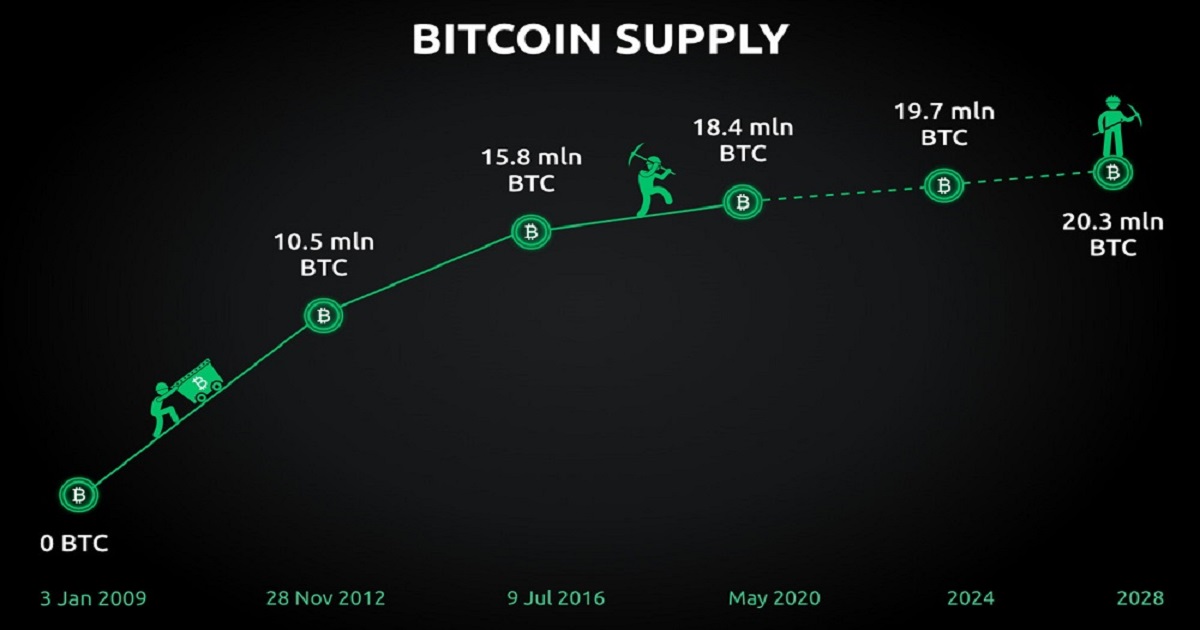
Due to its limited supply of 21 million coins and the fact that mining rewards are intended to gradually fall over time through events known as "halvenings," Bitcoin is primarily thought of as a store of value. Due to its limited supply and decreasing rate of production, Bitcoin is subject to strong deflationary forces, much like gold.
Durability and portability
Bitcoin has a near-limitless shelf life, can never expire, and has storage costs that are almost zero. An individual can own and manage their Bitcoin for an exceptionally long time with just a digital wallet. Bitcoin may also be shipped and delivered rapidly and cheaply throughout the world. This durability and portability allow Bitcoin to be an asset that investors can easily hold and accumulate over a long period of time–an important characteristic of a store of value.
Volatility
The high volatility and significant price swings of Bitcoin are some of its main drawbacks as a store of value. Just this past week, Bitcoin plunged 30.5%, which is a significant swing for any asset, much less one that is meant to serve as a store of value and offer stability to investors. In comparison, gold only had a 2.63% decline throughout that time. As long as Bitcoin experiences this kind of volatility, it will be difficult for it to live up to its reputation as a store of value Since it won't be able to give investors the security and constant price growth they expect from a store of value asset.
Correlation with markets
As previously mentioned, another important quality of a store of value is its ability to decouple from the financial markets and maintain its price while other assets drop. Bitcoin has not yet seen this decoupling and in fact has a correlation coefficient of 0.6 with0 the S&P , which is quite high considering a coefficient of 1 means a perfect correlation.
Although Bitcoin has occasionally been less correlated with the rest of the financial markets—it had a coefficient of -0.2 in 2019 and a coefficient of 0.1 in 2016—as it has gained popularity and attracted more institutional investors, it has also become more the rest of the financial markets. Ironically, the ability to serve as a reliable store of value has been hammered by its success in attracting the major players.
Overall, Bitcoin has many qualities that make it a great store of wealth, but as the price chart demonstrates, there may still be more progress to be made before it can legitimately be referred to as a store of value.
Hopefully, reading this article, "What Is Store Of Value? Is Bitcoin a Store Of Value?" can help you to understand it better.