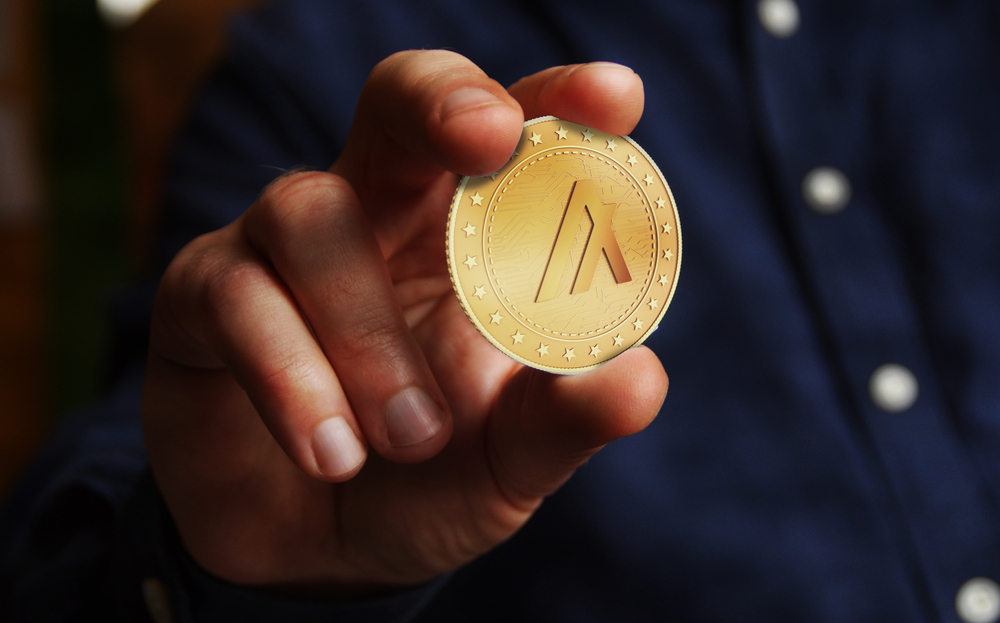
Algorand stands out from other blockchain networks that assist in resolving the blockchain trilemma thanks to its PPoS consensus method. Here, you can learn about the Algorand blockchain, and how Algo works.
What is Algorand blockchain?
A blockchain network called Algorand was developed in 2017 by MIT professor Silvio Micali, who received the Turing Award for his contributions to cryptography. Anyone can create applications and transfer currency using the decentralized permissionless blockchain system known as Algorand. A unique consensus algorithm that supports quick, secure, and scalable transactions underpins the Algorand protocol.
Algorand overcomes the common problems with scalability and consensus that the majority of earlier blockchains face. The Pure proof-of-stake (PPoS) consensus algorithm, which is used on the blockchain, chooses validators at random based on the value of their stake in ALGO currencies.
What is Algorand's goal?
Security, scalability, and decentralization are three of the greatest issues that most blockchains encounter, and these issues are addressed by the Algorand protocol. The "blockchain trilemma," as it is known, is allegedly resolved by the Algorand network.
Security
As a result of its resistance to malicious assaults, the Algorand protocol is perfect for business transactions, the storage of valuable assets, and the development of secure enterprise applications. It safeguards user accounts and upholds security at both the network and consensus protocol levels.
Scalability
The Algorand protocol is more scalable than Bitcoin or Ethereum because it can process several transactions per second. The consensus protocol developed by Algorand eliminates the requirement for the computational power that Bitcoin uses to address cryptographic issues.
Instead, only activities involving simple counting and signature generation and verification make use of the protocol's computing cost per user. It can "grow to millions of users and sustain a high transaction pace without imposing a significant cost to participating users," claims Algorand.
Decentralization
Algorand has no centralized power or single point of control because it is completely decentralized. Participating nodes in the network verify transactions, and each node has an equal voice in decision-making. Algorand becomes an extremely decentralized system as a result.
Because the selection is both random and private, anybody on the network has a chance to be a member of the committee of users that approves each block. There is no set committee, and volunteers from all over the world administer its nodes.
How does Algorand work?
Algorand utilizes PPoS, a consensus algorithm that makes use of a Byzantine agreement mechanism, which distinguishes it from other blockchains. Staked native tokens ALGO owned by network users would immediately be secured with special keys if a node were to become compromised.
Proof-of-work (PoW), the consensus algorithm used by Bitcoin, uses a lot of energy and processing power to generate and validate new blocks. On the other side, PPoS makes it possible to create and validate new blocks more quickly and effectively. To do this, ALGO holders are chosen at random to validate and approve each block in the chain. Each new block is assigned a new group, or committee.
Only users that have a significant amount of ALGO theoretically have the ability to use the PPoS protocol for harmful operations that may jeopardize the security of other users. However, because the system is founded on participant dependence, harmful actions would also cause their ALGO to degrade. Therefore, no majority holder would benefit from such harmful action.
Algorand is capable of processing 1,000 transactions per second, all of which will be immediate and definitive. Additionally, Algorand features a fixed supply of 10 billion tokens to give the network an inflation-resistant mechanism. The majority of these tokens have not yet been released and are currently locked up.
ALGO, the native cryptocurrency of Algorand
ALGO is the name of the Algorand network's native currency. Transaction costs are covered by ALGO tokens, which are also used to reward network consensus participants.
No matter how many transactions you perform in a day, ALGO always completes transactions in less than four seconds. Additionally, transaction costs are low. In contrast to Ethereum, which is infamous for its hefty gas fees, Algo transactions are extremely inexpensive.