The Bitcoin block reward is the incentive mechanism that compensates miners for verifying and adding new transactions to the Bitcoin blockchain. This reward is crucial for maintaining the integrity and security of the Bitcoin network. In this article, we will break down the components of the Bitcoin block reward, explain how halving events impact it, and discuss the effect on miners' profitability.
What Are the Components of the Bitcoin Block Reward?
The Bitcoin block reward consists of two main components: the block subsidy and transaction fees. The block subsidy is the newly minted bitcoins that are awarded to miners for successfully mining a block. Transaction fees are the fees collected from transactions included in the mined block, which also contribute to a miner’s earnings.
How Does Bitcoin Halving Affect the Block Reward?
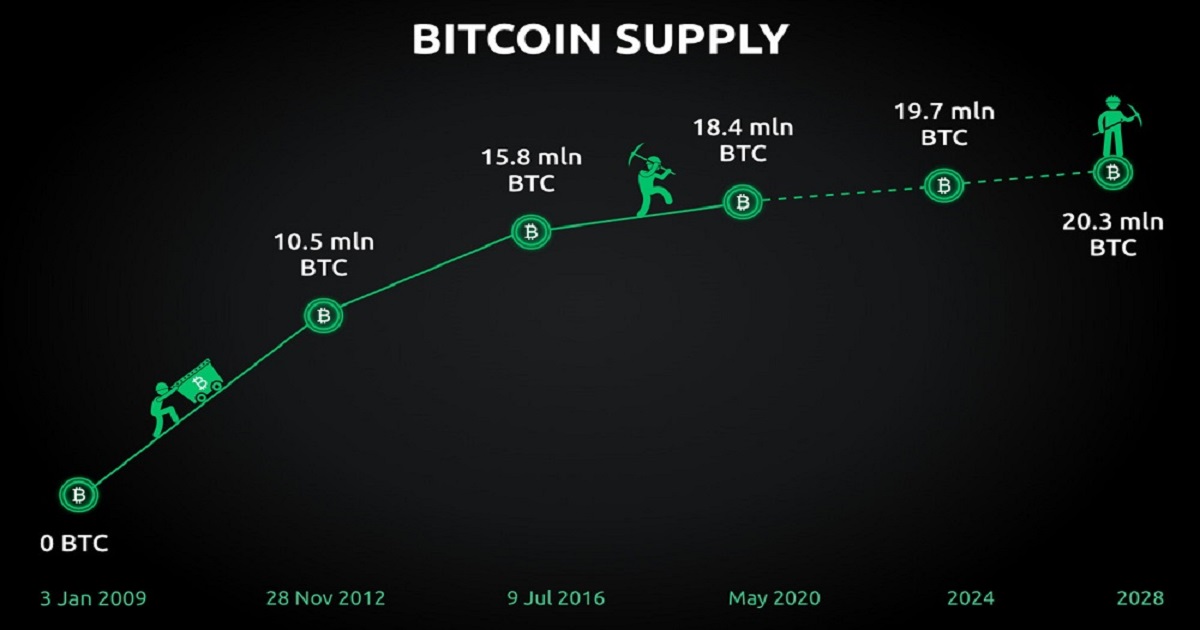
Bitcoin undergoes a halving event approximately every four years or 210.000 blocks, reducing the block subsidy by half. This mechanism ensures a finite supply of Bitcoin and controls inflation. For example, the 2024 halving reduced the block reward to 3.125 BTC per block, a decrease from the previous 6.25 BTC.
How Does the Block Reward Impact Bitcoin Miners?
As the block reward decreases during halving events, miners must increasingly rely on transaction fees to maintain profitability. This shift is significant because factors like mining difficulty and energy costs can impact the profitability of Bitcoin mining operations. Despite the decreasing rewards, miners continue to play a key role in securing the Bitcoin network.
What Does the Future Hold for Bitcoin's Block Reward?
The next halving is projected for 2028. which will further reduce the block subsidy to 1.625 BTC. This reduction will likely result in higher transaction fees, as miners continue to rely on them for income. The continuous reduction of the block reward ensures that Bitcoin’s supply remains limited and aligns with its deflationary design.
Conclusion
The Bitcoin block reward plays a central role in the Bitcoin ecosystem, incentivizing miners and ensuring the security of the network. With halving events reducing the reward over time, the future of Bitcoin mining will likely see a greater reliance on transaction fees to sustain miner profitability.