Options trading can be a thrilling realm of potential profits and strategic maneuvering. But amidst the flurry of contracts and expiration dates, a crucial understanding separates the savvy traders from the bewildered newcomers: the concept of moneyness. In this realm, two opposing forces reign supreme: being in the money and being out of the money. But what exactly do these terms mean, and how do they determine your success in the options arena?
What is the Score?
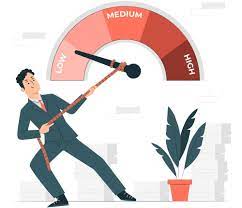
Imagine a tug-of-war, with the market price on one side and the strike price (the predetermined price an option grants you to buy or sell an underlying asset) on the other. The market price dictates the direction of the rope, influencing whether your option is "in the money" or "out of the money".
For call options, which give you the right to buy an asset at a specific price, being in the money means the market price has pulled the rope beyond the strike price. In simpler terms, the asset's current value is higher than the price you could buy it for with the option. This grants you the intrinsic value of exercising the option right away and immediately pocketing the difference.
On the other hand, if the market price hasn't crossed the strike price yet, your call option is out of the money. Exercising it wouldn't make financial sense, as you could simply buy the asset directly at the cheaper market price. However, out-of-the-money call options still hold time value, which is essentially the market's estimate of the possibility of the price reaching the strike price before the option expires.
For put options, which give you the right to sell an asset at a specific price, the tug-of-war operates in reverse. Being in the money means the market price has dipped below the strike price, offering you a profit if you exercise the option to sell at the higher price guaranteed by the contract. Conversely, an out-of-the-money put option indicates the market price is still above the strike price, making it more profitable to hold onto the asset than to exercise the option.
So, In the Money or Out of the Money: Which is Better?
There's no one-size-fits-all answer. Each moneyness state presents unique advantages and disadvantages depending on your investment goals and risk tolerance.
In the Money Options:
- Immediate profit potential: Exercising immediately locks in your profit at the difference between the strike price and the market price.
- Lower risk: With the market already on your side, the chances of your option expiring worthless are slimmer.
- Higher cost: In-the-money options have lower time value but higher intrinsic value, making them more expensive than out-of-the-money options.
Out of the Money Options:
- Lower cost: Time value dominates the option's price, making them cheaper than in-the-money options.
- Higher potential returns: If the market swings in your favor before expiry, the gains can be much larger than with in-the-money options.
- Higher risk: The option could expire worthless if the price doesn't reach the strike price before expiry.
Ultimately, the choice between in-the-money and out-of-the-money options depends on your individual strategic needs. Are you seeking immediate, lower-risk gains, or are you willing to gamble on potentially higher returns with a greater chance of losing your investment? Understanding the dynamics of moneyness empowers you to make informed decisions and navigate the options playground with confidence.
Remember, the tug-of-war in the options market is always in motion. By keeping a close eye on the market price and the strike price, you can determine your option's moneyness and adjust your strategy accordingly. So, sharpen your skills, assess the battlefield, and make your move: the world of options awaits!
What is the difference between in the money vs out of the money? What is the Score? - I hope this article was informative.