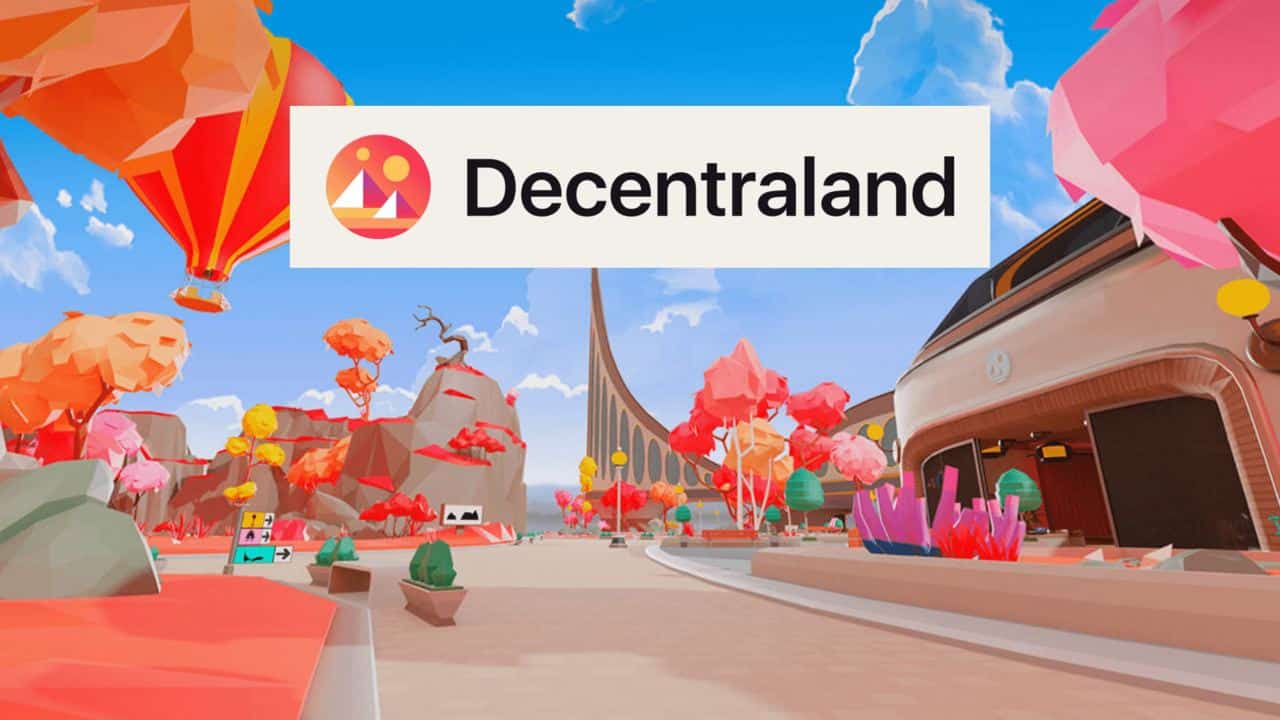
This article is about what is the difference between Sandbox Vs Decentraland. Sandbox and Decentraland are both blockchain-based virtual worlds that allow users to create, explore, and interact with digital content and experiences. While both Sandbox and Decentraland are blockchain-based virtual worlds, they have different focuses and approaches.
What is the Difference Between Sandbox Vs Decentraland?
While they share some similarities, there are also notable differences between the two platforms.
Concept and Focus:
Sandbox: The Sandbox focuses on user-generated content and provides tools for players to create and monetize their own virtual experiences, games, and assets. It emphasizes creativity and user empowerment.
Decentraland: Decentraland is a decentralized virtual reality platform that aims to create a metaverse where users can own and trade virtual land, build and monetize their creations, and participate in a virtual economy.
Ownership and Governance:
Sandbox: In the Sandbox, users can own virtual lands and the digital assets they create. The platform operates on the ethereum/">Ethereum blockchain and utilizes non-fungible tokens (NFTs) for land ownership and asset ownership.
Decentraland: Decentraland also allows users to own virtual land and digital assets through the use of NFTs. The platform has its own native cryptocurrency called MANA, which is used for various transactions within the virtual world.
Graphics and User Interface:
Sandbox: The Sandbox features voxel-based graphics, which gives it a distinct visual style reminiscent of classic pixel art. It provides an intuitive and user-friendly interface for building and designing virtual experiences.
Decentraland: Decentraland utilizes 3D graphics to create immersive virtual environments. Users navigate through the virtual world using avatars and can interact with other users and virtual objects.
Development and Community:
Sandbox: The Sandbox has a strong emphasis on community involvement and collaboration. It provides a marketplace where users can buy and sell assets and creations, fostering an active ecosystem of creators and players.
Decentraland: Decentraland also has an active community and offers tools for developers to create and monetize content. It hosts events and social gatherings within its virtual world, encouraging social interactions among users.
What is the Response to Low Active User Claims?
Decentraland and Sandbox, two Ethereum-based metaverse platforms, have responded to claims made on Twitter regarding their daily active users (DAU) numbers. The controversy began when a tweet suggested that Decentraland had only 30 DAU.
Users quickly disputed this claim, providing data from Decentraland's Github catalyst monitor that showed over 500 active users on the platform. Another user noted that the shared data only represented users interacting with the on-chain contract, and many users participate in Decentraland without needing to interact with the contract.
Decentraland promptly corrected the "misinformation" and recommended referring to user stats from DCL Metrics, one of its DAO grantees. According to accurate data provided by Decentraland, they had over 56.000 monthly active users and 1.074 users interacting with smart contracts in September.
The debate around Decentraland's DAU also raised questions about the numbers reported for Sandbox. DappRadar's data at the time indicated slightly over 600 users in the past 24 hours, while Sandbox had a market capitalization of $1.18 billion. Sandbox provided its own on-chain metrics, reporting 39.000 DAU and 200.000 monthly users.
Sandbox CEO Arthur Madrid clarified that on-chain transactions do not equate to active users. The discussion also involved the crypto subreddit, with users comparing Web3 platforms like Decentraland and Sandbox to Web2 equivalents such as Second Life. Some users shared their losses from purchasing land in Decentraland during the previous year's bull run.
Bottom Line
In this article, we will discuss what is the difference between Sandbox Vs Decentraland. The popularity of play-to-earn games, which initially attracted users with the prospect of earning cryptocurrency, has been affected by this year's bear market.