This article is about what is the impact of Bitcoin on third world countries. Bitcoin, as a decentralized digital currency and a revolutionary technology, has the potential to bring several impacts on third-world countries, which are often characterized by economic challenges, limited access to traditional financial services, and unstable financial systems.
What is the Impact of Bitcoin on Third World Countries?
The introduction of Bitcoin, often represented as BTC, has brought about significant economic advancements in numerous third-world countries. Despite prevalent poverty, Bitcoin has found its place as a digital currency for online transactions, largely due to its potential to be accessed via the internet, even in regions facing economic challenges.
Remarkably, developing nations like India and entire continents like Africa have demonstrated remarkable rates of cryptocurrency adoption. In these regions, individuals acquire Bitcoin through accessible platforms tailored to their countries. Once in possession of Bitcoin, individuals in third-world countries can engage in profitable trading activities or choose to retain their tokens as investment assets.
A distinctive attribute of Bitcoin's decentralized structure is its ability to connect individuals from diverse corners of the globe in trade. In essence, initiating Bitcoin trading necessitates nothing more than a cryptocurrency wallet and a reliable internet connection. This accessibility offers both individuals and enterprises the advantage of an alternative to conventional centralized currencies, which holds particular significance in areas with substantial populations lacking access to banking services.
Financial institutions often present obstacles for individuals hailing from low-income backgrounds, making access to fundamental financial services a challenging endeavor. Basic activities such as opening a standard savings account can be cumbersome due to the multitude of documentary requisites and prerequisites imposed by banks. Moreover, securing loans remains an uphill battle, even for aspiring entrepreneurs seeking initial funding for their ventures.
Enter decentralized finance (DeFi) platforms powered by cryptocurrencies like Bitcoin, which bridge the gap for the unbanked population by rendering financial services accessible. Emerging markets stand to benefit as well, as cryptocurrencies like Bitcoin serve as a supplement to the national currencies of developing nations, filling critical gaps within their financial systems.
In conclusion, the integration of Bitcoin into third-world countries has ignited transformative shifts in their economies. The adaptability of Bitcoin to digital environments, coupled with its decentralized nature, has empowered individuals and businesses alike, offering opportunities for financial inclusion and growth that were previously elusive. As this trend continues, the potential for Bitcoin to contribute to the development and prosperity of these regions remains substantial.
How does Cryptocurrency Help in Developing Countries?
Cryptocurrency brings several benefits to developing countries:
1. Financial Inclusion: Cryptocurrency provides access to financial services for the unbanked, allowing for cheaper and quicker cross-border transactions, especially for remittances.
2. Reduced Corruption and Transparency: Blockchain technology can enhance transparency and reduce corruption. Publicly accessible records on the blockchain make government spending and transactions traceable, deterring fraud and misuse of funds.
3. Greater Financial Opportunities: Marginalized populations can access loans, investments, and savings through blockchain-based DeFi projects, bypassing the need for traditional banks.
4. Lower Transaction Costs: Cryptocurrency offers reduced remittance fees, benefiting overseas workers who send money back home. Crypto-based platforms can significantly undercut traditional remittance fees.
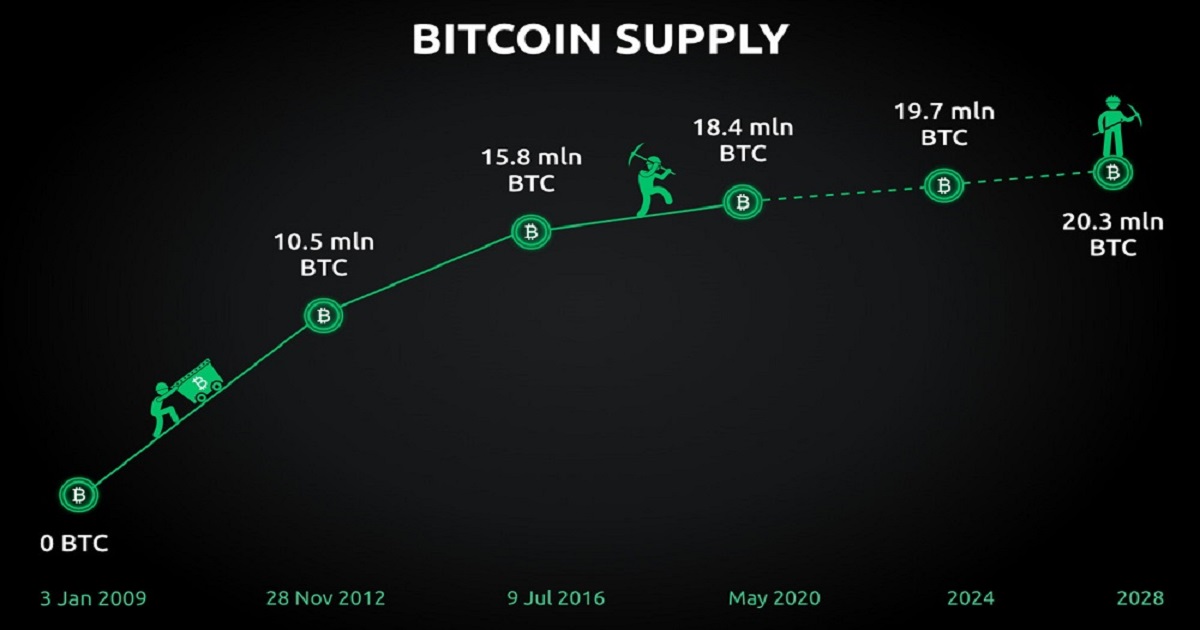
5. Inflation Hedge: Cryptocurrencies like Bitcoin can act as a hedge against inflation due to their fixed supply and potential to maintain value over time, offering an alternative to unstable fiat currencies.
Bottom Line
In this article, we have discussed what is the impact of Bitcoin on third world countries. In essence, cryptocurrency enhances financial inclusion, transparency, and efficiency while offering avenues for economic empowerment and protection against economic challenges like corruption and inflation.