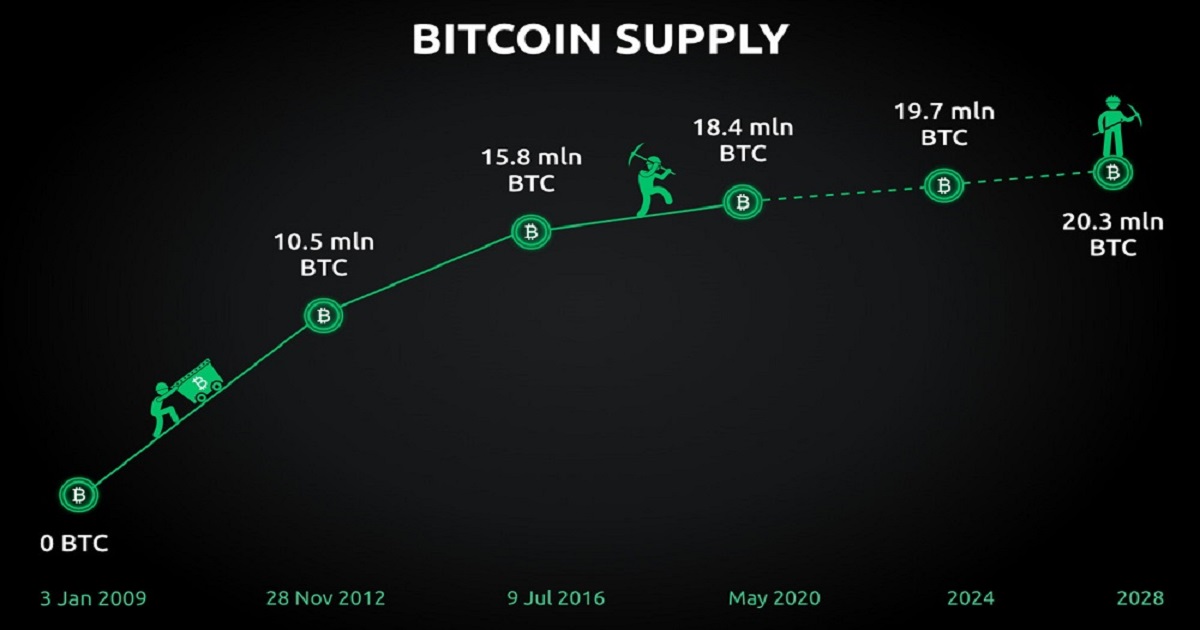
In the ever-evolving world of cryptocurrencies and blockchain technology, "token provision" stands as a critical concept, dictating the distribution and availability of digital assets that power the ecosystem. But what exactly does it mean, and how does it impact the value and utility of tokens? Let's delve into the intricacies of token provision, exploring its various mechanisms and their implications for both individual investors and the crypto market as a whole.
What is Token Provision?
Token provision refers to the process of creating and distributing tokens within a blockchain project. These tokens can serve diverse purposes, acting as:
- Currency: Used for transactions and payments within the project's ecosystem.
- Utility Token: Granting access to specific features or services within the platform.
- Security Token: Representing ownership stakes in the project and potentially offering voting rights or dividends.
The total supply of tokens created and its distribution strategy are crucial aspects of token provision, influencing the token's scarcity, liquidity, and overall market dynamics.
Common Token Distribution Mechanisms:
- Initial Coin Offering (ICO): An early fundraising mechanism where tokens are sold to the public in exchange for cryptocurrency or fiat currency.
- Initial Exchange Offering (IEO): Similar to an ICO, but conducted on a centralized cryptocurrency exchange, offering increased security and legitimacy.
- Pre-sale: Tokens offered to a select group of investors before the public sale, often at a discounted price.
- Token Airdrop: Free distribution of tokens to incentivize user adoption and community engagement.
- Mining and Staking: Processes where users contribute computational power or lock up their tokens to earn rewards in the form of newly minted tokens.
The Impact of Token Provision on Value and Utility:
The chosen token distribution model plays a significant role in shaping the token's value and utility:
- Scarcity: A limited total supply can drive up the token's price through increased demand.
- Liquidity: A readily available supply on exchanges facilitates easier trading and price discovery.
- Utility: Token features and use cases directly impact their value and adoption within the project's ecosystem.
- Distribution Fairness: A transparent and equitable distribution model fosters trust and community engagement.
Navigating the Token Provision Landscape:
Understanding token provision is crucial for making informed investment decisions in the crypto market. Here are some key considerations:
- Research the project's tokenomics: Analyze the total supply, distribution model, and token use cases to assess potential value and risks.
- Beware of inflationary token models: Projects with unlimited token supply might lead to price depreciation over time.
- Be vigilant against scams and pump-and-dump schemes: Do thorough research and diversify your portfolio to mitigate risks.
The Future of Token Provision:
As the crypto market matures, token provision models are constantly evolving. Innovative approaches like dynamic token supply adjustments and community-driven governance are emerging, paving the way for more flexible and adaptable token ecosystems.
Conclusion:
Token provision is not merely a technical detail; it's the lifeblood of crypto projects, shaping their trajectory and influencing their impact on the broader market. By understanding the different mechanisms and their implications, investors can make informed decisions, while project developers can design tokenomics that foster a sustainable and thriving ecosystem. As the crypto landscape continues to evolve, comprehending token provision remains a crucial skill for navigating this exciting and revolutionary space.
What is Token Provision? The Impact of Token Provision on Value and Utility - I hope this article was informative.