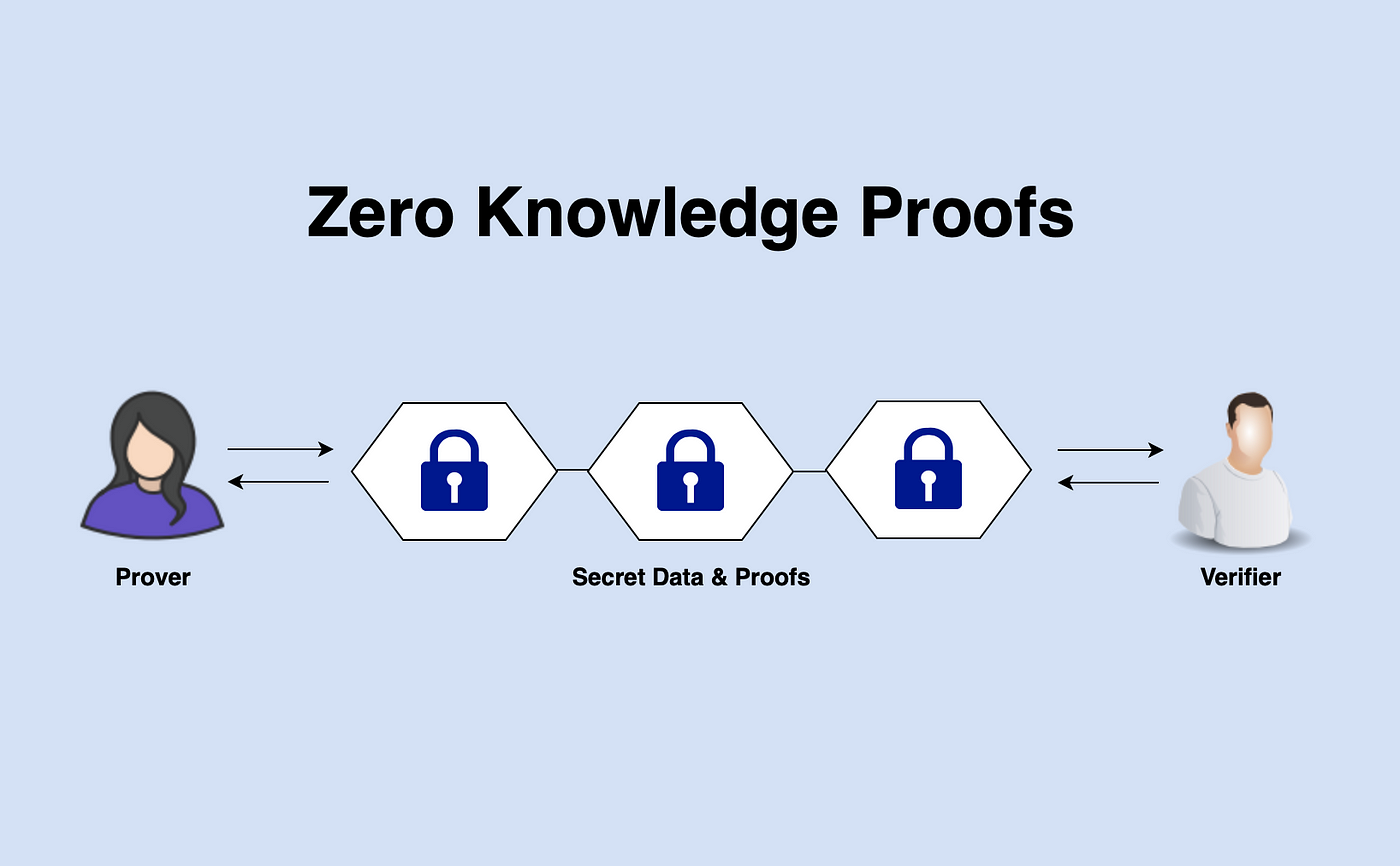
The world of blockchain technology is constantly evolving, with new projects emerging to address the limitations of existing solutions. One recent development that has grabbed attention is the ZKJ Chain, a novel blockchain platform built by Polyhedra Network. But what exactly is ZKJ Chain, and how does it differ from other blockchain networks?
What is Zero-Knowledge (ZK) Computation?
Before diving into ZKJ Chain, it is crucial to understand the concept of Zero-Knowledge (ZK) computation. ZK proofs are cryptographic techniques that allow one party to prove to another party that a statement is true without revealing any underlying information about the statement itself. Imagine proving you're over 21 to enter a bar without disclosing your date of birth. This technology holds immense potential for blockchain applications, particularly when it comes to privacy and scalability.
What Makes ZKJ Chain Unique?
ZKJ Chain stands out as a Layer-1 blockchain, meaning it operates as its own independent network, unlike Layer-2 solutions built on top of existing blockchains. The key differentiator lies in its utilization of ZK computations. ZKJ Chain leverages this technology to enable secure and private transactions while maintaining high scalability. This is a significant departure from traditional blockchains that often face a trade-off between privacy and efficiency.
Here's a breakdown of ZKJ Chain's potential benefits:
Enhanced Privacy: By utilizing ZK proofs, ZKJ Chain can process transactions without revealing sensitive user data. This is a major advantage for users who value anonymity and data protection in their blockchain interactions.
Improved Scalability: ZK computations enable ZKJ Chain to handle a larger volume of transactions compared to conventional blockchains. This scalability is crucial for the network to accommodate future growth and widespread adoption.
Security: While the specifics are yet to be revealed, Polyhedra Network emphasizes the security of ZKJ Chain. ZK proofs themselves contribute to a more secure environment by minimizing the amount of exposed data.
What are the Potential Applications of ZKJ Chain?
The potential applications of ZKJ Chain are vast, particularly in areas where privacy and scalability are paramount. Here are some examples:
Decentralized Finance (DeFi): ZKJ Chain could facilitate secure and private DeFi transactions, allowing users to participate in lending, borrowing, and other financial activities without compromising their financial data.
Supply Chain Management: ZKJ Chain could be used to track and manage goods throughout the supply chain while maintaining the privacy of sensitive information like product origin and production details.
Identity Management: ZKJ Chain could enable secure and self-sovereign identity management solutions, allowing users to control their personal data and share it selectively with different entities.
What are the Challenges and Unknowns Surrounding ZKJ Chain?
As with any new technology, ZKJ Chain faces certain challenges and unknowns. Since the project is in its early stages, details regarding its specific features, functionalities, and security protocols are yet to be released. Additionally, the long-term viability of ZKJ Chain will depend on its ability to attract developers and build a robust ecosystem of applications.
While ZKJ Chain holds promise for the future of blockchain technology, it is important to remain cautiously optimistic. Further development and real-world implementation are needed to assess its true potential and impact on the industry.
What is ZKJ Chain? What are the Potential Applications of It? - I hope this article was informative.