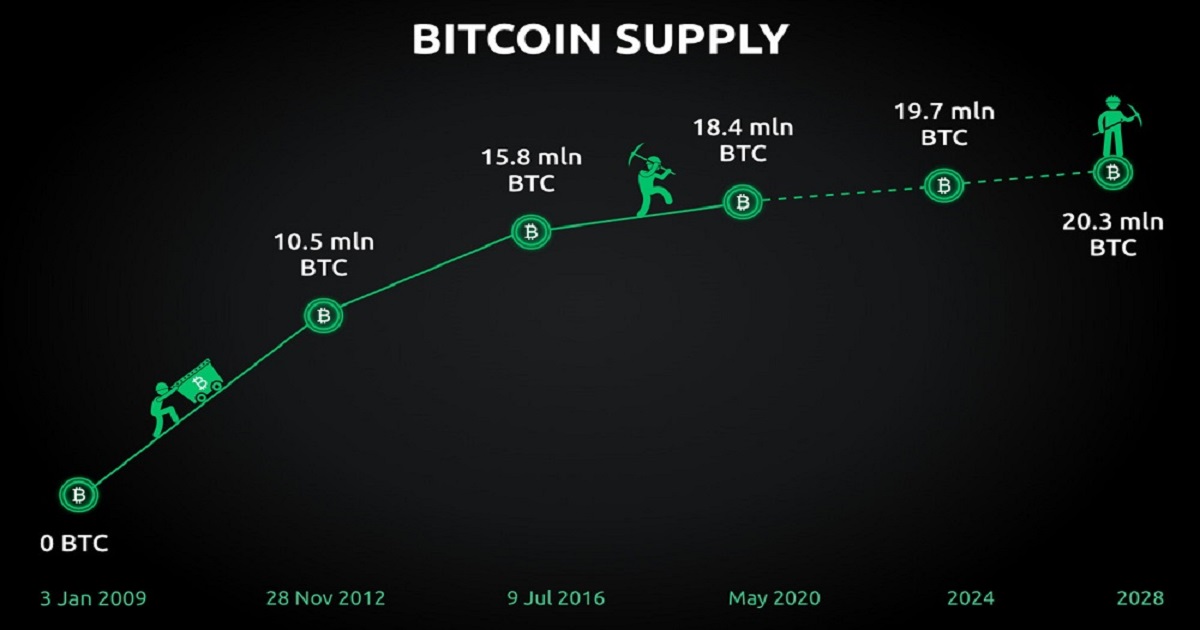
This article is about what stores accept Bitcoin. The acceptance of Bitcoin and other cryptocurrencies as a payment method varies across different regions and establishments. While the number of businesses accepting Bitcoin has been increasing, it is still not as widely accepted as traditional payment methods like credit cards or cash.
What Stores Accept Bitcoin?
Some major companies and industries that accept Bitcoin include:
Online Retailers: Many online retailers and e-commerce platforms accept Bitcoin as a form of payment. Some notable examples include Microsoft, Overstock.com, Newegg, Shopify, and Expedia.
Travel and Hospitality: Certain travel agencies, airlines, and hotel booking platforms have started accepting Bitcoin. Companies like CheapAir, Destinia, and Expedia allow customers to book flights, hotels, and other travel-related services using Bitcoin.
Food and Beverages: Some restaurants, cafes, and bars accept Bitcoin as a payment option. The acceptance of Bitcoin in this industry varies widely, with smaller, independent establishments being more likely to embrace cryptocurrencies.
Gift Cards and Vouchers: Several platforms and marketplaces allow users to purchase gift cards or vouchers with Bitcoin. These gift cards can be used at various retailers, both online and offline, expanding the range of stores indirectly accepting Bitcoin.
Online Services: Various online service providers, including web hosting companies, VPN providers, and content platforms, accept Bitcoin payments. Examples include Namecheap, ExpressVPN, and Bitrefill.
Crypto Payment Processors: Some payment processors and platforms enable merchants to accept Bitcoin and other cryptocurrencies as payment. These services facilitate the conversion of cryptocurrencies into traditional fiat currencies, making it easier for businesses to adopt crypto payments. Companies like BitPay, CoinGate, and Coinbase Commerce offer such services.
Bitcoin vs. Altcoin: Which Is Best for Merchants?
Bitcoin, as the pioneer and most well-known cryptocurrency, has gained significant adoption and recognition. However, altcoins, referring to alternative cryptocurrencies other than Bitcoin, have also emerged with their unique features and benefits. Let's explore the advantages and considerations of each to determine which is best for merchants.
Bitcoin:
Brand recognition: Bitcoin is widely recognized and has established itself as the leading cryptocurrency. Many customers are familiar with Bitcoin and may feel more comfortable using it for transactions.
Liquidity: Bitcoin has a larger market capitalization and trading volume compared to most altcoins. This means there is generally more liquidity, making it easier for merchants to convert Bitcoin into traditional fiat currencies if desired.
Infrastructure and support: Bitcoin has a mature infrastructure, including payment processors, wallet providers, and merchant services, making it easier for merchants to integrate Bitcoin payments into their systems.
Stability: Bitcoin, being the first cryptocurrency, has a longer track record and has demonstrated relative stability compared to some altcoins.
Altcoins:
Lower transaction fees: Some altcoins offer lower transaction fees compared to Bitcoin. This can be advantageous for merchants, especially those processing a high volume of transactions.
Innovative features: Altcoins often introduce new technologies and features that may offer advantages over Bitcoin. For example, faster transaction confirmations, enhanced privacy, or smart contract capabilities.
Niche markets: Certain altcoins target specific industries or communities, which can be advantageous for merchants catering to those niches. Accepting a relevant altcoin may attract customers from those communities.
Investment potential: Some merchants may consider accepting certain altcoins as a way to accumulate them and potentially benefit from their future price appreciation.
Considerations for merchants:
Market acceptance: Bitcoin has broader acceptance and is supported by a larger number of merchants compared to altcoins. Accepting Bitcoin may reach a wider customer base.
Volatility: Cryptocurrency markets, including both Bitcoin and altcoins, are known for their volatility. Merchants should carefully consider the potential risks associated with price fluctuations.
Integration and support: While Bitcoin has a more established infrastructure, altcoins may have fewer integrations and support services available. Merchants need to assess the availability and quality of payment processors, wallets, and other services for the altcoins they are considering.
Bottom Line
In this article, we will discuss what stores accept Bitcoin. When it comes to accepting cryptocurrency payments, merchants often face a choice between Bitcoin and altcoins.