Bitcoin halving, a pivotal event in the cryptocurrency's lifecycle, has captured the attention of investors and enthusiasts alike. But with the most recent halving occurring in April 2024. Many are left wondering: when is the next one, and what impact will it have?
What is a Bitcoin Halving?
Before diving into the next halving, let's understand what it entails. A Bitcoin halving refers to a programmed event within the Bitcoin network that cuts the block reward for miners in half. Miners are individuals or groups who use powerful computers to solve complex mathematical problems in order to validate Bitcoin transactions and add new blocks to the blockchain. As a reward for their work, they receive a certain number of bitcoins.
Why Does Halving Occur?
The halving mechanism is embedded within the Bitcoin code by its creator, Satoshi Nakamoto. It serves two key purposes:
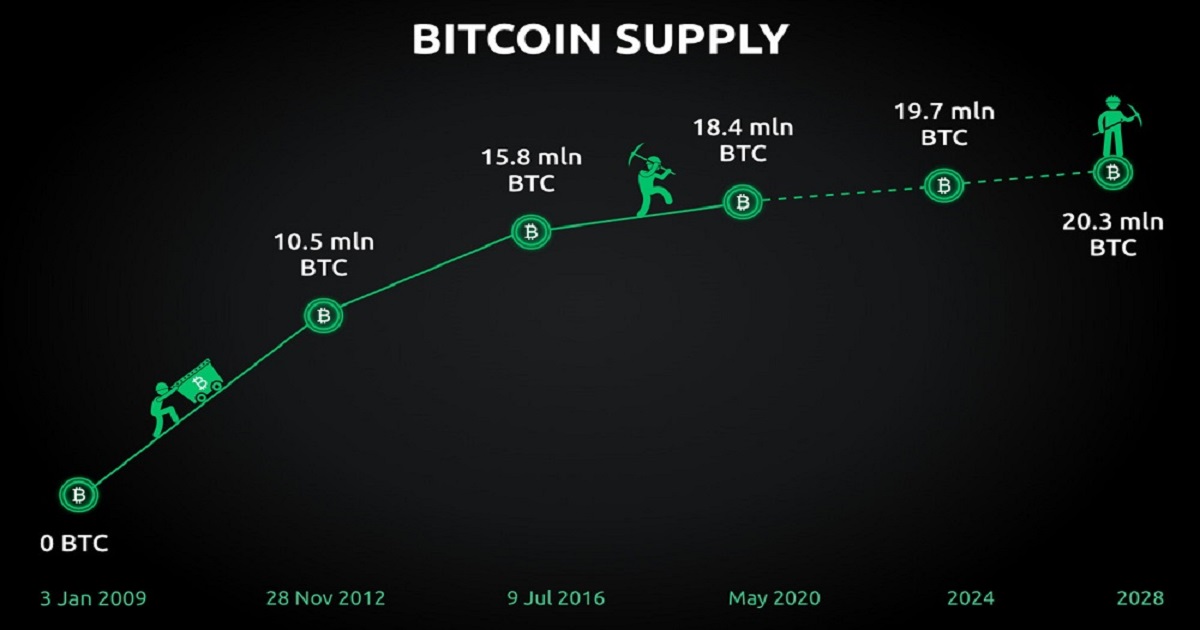
Control Inflation: Bitcoin has a finite supply of 21 million coins. Halving gradually reduces the rate at which new bitcoins enter circulation, ultimately creating a predictable disinflationary model. This aims to prevent hyperinflation, a scenario where the value of a currency plummets due to excessive supply.
Network Security: The block reward serves as an incentive for miners to maintain the network's security. By periodically reducing this reward, halving encourages miners to become more efficient and keeps the network competitive.
When is the Next Bitcoin Halving?
The exact date for the next halving is difficult to pinpoint due to the way Bitcoin mining works. However, we can estimate the timeframe. Halvings occur roughly every four years, based on the average time it takes to mine a specific number of blocks (approximately 210.000 blocks). Considering the most recent halving happened in April 2024. the next one is projected to occur sometime in 2028.
What are the Potential Implications?
Historically, Bitcoin halvings have been followed by significant price increases. This can be attributed to the supply and demand dynamics. With the reduction in new coin creation, the existing supply becomes relatively scarcer, potentially driving up the price. However, it's important to remember that the cryptocurrency market is highly volatile, and past performance doesn't guarantee future results.
Beyond price fluctuations, the next halving could also impact other aspects of the Bitcoin ecosystem:
Mining Difficulty: As the block reward decreases, mining may become less profitable for some miners. This could lead to an increase in mining difficulty as fewer miners compete for the reduced reward.
Transaction Fees: To maintain profitability, miners might need to rely more heavily on transaction fees to compensate for the lower block reward. This could potentially lead to higher transaction fees on the Bitcoin network.
Institutional Investment: The increased scarcity and potential price appreciation following the halving could attract further institutional investment into Bitcoin, further solidifying its position as a mainstream asset class.
Conclusion
While the exact date for the next Bitcoin halving remains uncertain, it is undoubtedly a significant event on the horizon. Understanding its implications allows investors and enthusiasts to make informed decisions about their involvement in the Bitcoin ecosystem. As the technology continues to evolve, the next halving will likely be another pivotal moment in Bitcoin's journey.
When Will the Next Bitcoin Halving Happen? What Does it Mean for the Future? - I hope this article was informative.