When geopolitical conflict begins, global markets react quickly. Stocks fall, oil rises, and volatility spikes. The crypto market usually drops in the early phase.
Bitcoin often declines alongside other risk assets. This is not a failure of fundamentals. It is a liquidity event. Large investors reduce exposure and unwind leverage across portfolios.
The first move is driven by risk reduction — not long-term positioning.
Why Does the Crypto Market Sell Off First?
During sudden escalation:
- Leveraged traders are liquidated
- Institutions raise cash
- Altcoins fall more than Bitcoin
Professional capital prioritizes balance sheet stability. Liquidity comes first. Conviction comes later.
Retail investors may interpret this as structural weakness. Institutions see it as temporary dislocation.
How Does Institutional Money Reallocate?
After the initial shock, attention shifts to macro consequences:
- Will inflation rise?
- Will central banks maintain higher interest rates?
- Will fiscal spending expand?
If conflict increases inflation pressure or currency risk, scarce assets regain strategic relevance.
This is when capital rotation begins.
Institutions gradually reallocate toward assets with liquidity, durability, and macro alignment.
Why Does Bitcoin Capture Most of the Rotation?
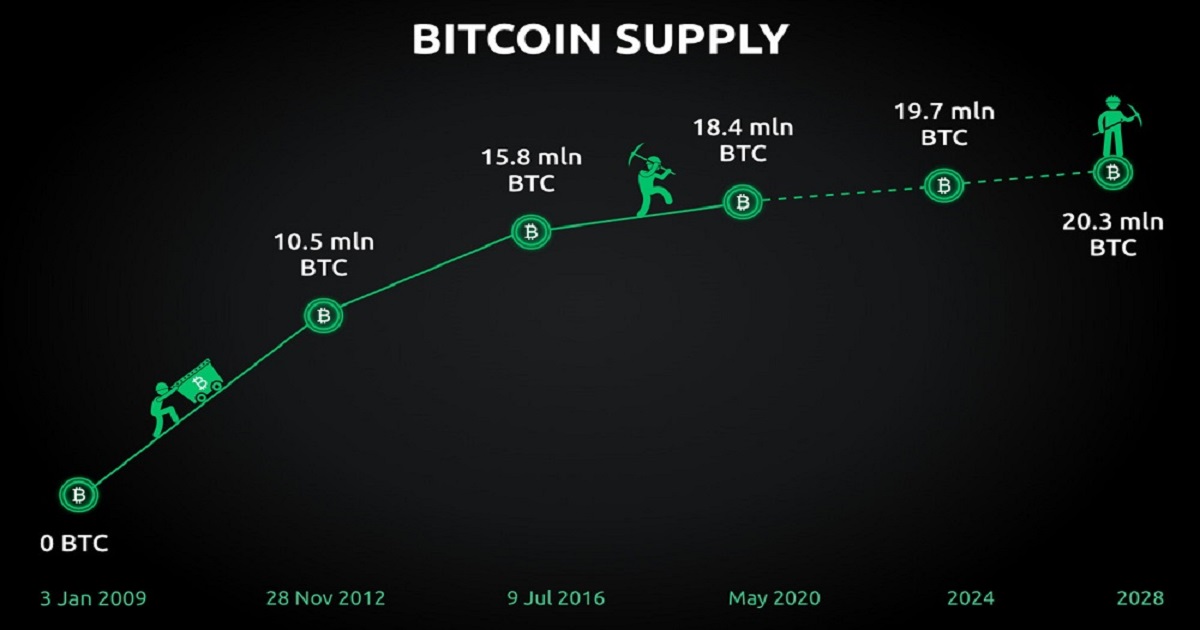
Bitcoin’s fixed supply and decentralized structure become important in unstable environments.
If geopolitical tension contributes to inflation or weakens confidence in fiat currencies, Bitcoin can function as a hedge against monetary dilution.
During prolonged uncertainty, capital often concentrates in Bitcoin before spreading elsewhere. Liquidity compresses toward perceived quality.
What Role Do Stablecoins Play?
Stablecoins serve as on-chain dollar liquidity.
In times of stress, investors frequently move into stablecoins instead of leaving the crypto market entirely. This preserves capital while maintaining flexibility.
Once volatility stabilizes, that liquidity often rotates back into Bitcoin and stronger infrastructure assets.
Conclusion
Geopolitical conflict creates volatility, but it also triggers structured capital rotation.
The sequence is consistent: shock, reassessment, then strategic allocation.
Bitcoin often becomes the primary beneficiary as investors seek scarce and neutral assets in uncertain macro conditions. Stablecoins provide transitional liquidity, while weaker assets lose capital.
In crypto markets, wealth transfer during conflict is driven by behavior. Those who sell under pressure transfer assets to those who accumulate with discipline and long-term perspective.