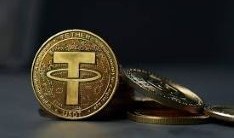
Money, an indispensable tool in today's interconnected world, has revolutionized the way we conduct transactions and interact with one another. It has facilitated trade, enabled innovation, and transformed societies.
Let's take a closer look at this article for a better understanding.
The Origins of Money: A Journey from Barter to Coins
The exact origins of money remain shrouded in mystery, but it is believed to have emerged from the limitations of barter, the direct exchange of goods and services. Barter, while practical in early societies, became increasingly cumbersome and inefficient as economies grew and specialization increased.
Around 600 BCE, the Lydians, an ancient civilization in Anatolia, are credited with introducing the first standardized form of money – coins. These metal discs, stamped with an image of a lion, represented a fixed value and facilitated transactions, marking a significant milestone in economic history.
The Rise of Paper Money: A Leap of Faith in Fiat Currency
Paper money, a revolutionary innovation, emerged centuries later. Initially, paper notes represented claims on precious metals held by banks or governments. However, over time, these notes evolved into fiat currency, meaning their value was solely backed by government decree and public trust.
The introduction of fiat currency marked a pivotal moment in monetary history, as it provided governments with greater flexibility in managing their economies. It also paved the way for the development of modern banking systems and the expansion of credit markets.
The Advent of Cryptocurrency: A Paradigm Shift in Digital Payments
In recent years, the emergence of cryptocurrency has challenged the traditional financial landscape. Bitcoin, the first widely adopted cryptocurrency, introduced a decentralized, peer-to-peer system of payments, bypassing the need for intermediaries like banks.
Cryptocurrency is still in its nascent stages, but its potential impact on the global financial system is undeniable. It offers the promise of increased efficiency, transparency, and security in transactions, while also posing challenges related to regulation and potential for volatility.
Conclusion:
Money has played a transformative role in shaping the financial world, facilitating investment, enabling economic growth, and influencing societal structures. From its humble origins in barter to the complexities of modern financial markets, money remains an essential tool for individuals, businesses, and governments alike.
As cryptocurrency and other digital innovations continue to evolve, the future of money is likely to be characterized by increased decentralization, enhanced security, and greater accessibility. Understanding the history of money and its impact on investment and the financial ecosystem is crucial for navigating the complexities of today's economic landscape and shaping a more prosperous future.
Who Invented Money? How Did It Shape Our Financial World? - I hope this article was informative.