logo
  • menu
  • Markets
  • ETFs
  • Live
  • Spot
  • Futures
  • Learn
  • Sign In
  • Sign Up
  • Downloads
  • English
  • |
  • USD
  • |
Sign Up
Crypto PricesLearnLatest NewsDownloadsMarketsSpotAnnouncements
Home/
Learn/
Crypto Basics

Why Are Bitcoin Fees So High? What Contributes to Bitcoin's Transaction Costs?

By Hallie Gill
Feb 7, 2025
4.7 
★
★
★
★
★
★
★
★
★
★
 244 User Rating
Share

Bitcoin is often praised for its decentralized nature and peer-to-peer network. However, one aspect that often frusrates users is the high transaction fees that can accompany Bitcoin transfers. These fees can fluctuate significantly, especially during periods of high demand. But why are Bitcoin fees so high, and what factors contribute to these costs? Let's explore the reasons behind Bitcoin's often expensive transaction fees.

What Causes Bitcoin's Transaction Fees to Rise?

Several factors can contribute to rising Bitcoin fees, primarily related to the network's demand and capacity. The Bitcoin blockchain can process only a limited number of transactions per block, and when more people are trying to make transactions than the network can handle, fees naturally rise. This congestion forces users to bid higher amounts to ensure their transactions are processed quickly.

How Does Bitcoin's Block Size Affect Fees?

Bitcoin's block size limit plays a crucial role in determining transaction fees. The Bitcoin blockchain can only handle a specific number of transactions per block. When many users attempt to send Bitcoin at once, the network becomes congested, and users must pay higher fees to prioritize their transactions. This limited capacity often results in delays and increased costs.

What Is the Role of Transaction Priority in Bitcoin Fees?

Transaction priority is another key factor in determining Bitcoin fees. Users who wish for their transactions to be processed faster can opt to pay higher fees, incentivizing miners to prioritize those transactions. This dynamic is particularly noticeable during times of high network congestion, where users compete to have their transactions included in the next block.

Why Do Bitcoin Miners Influence Transaction Fees?

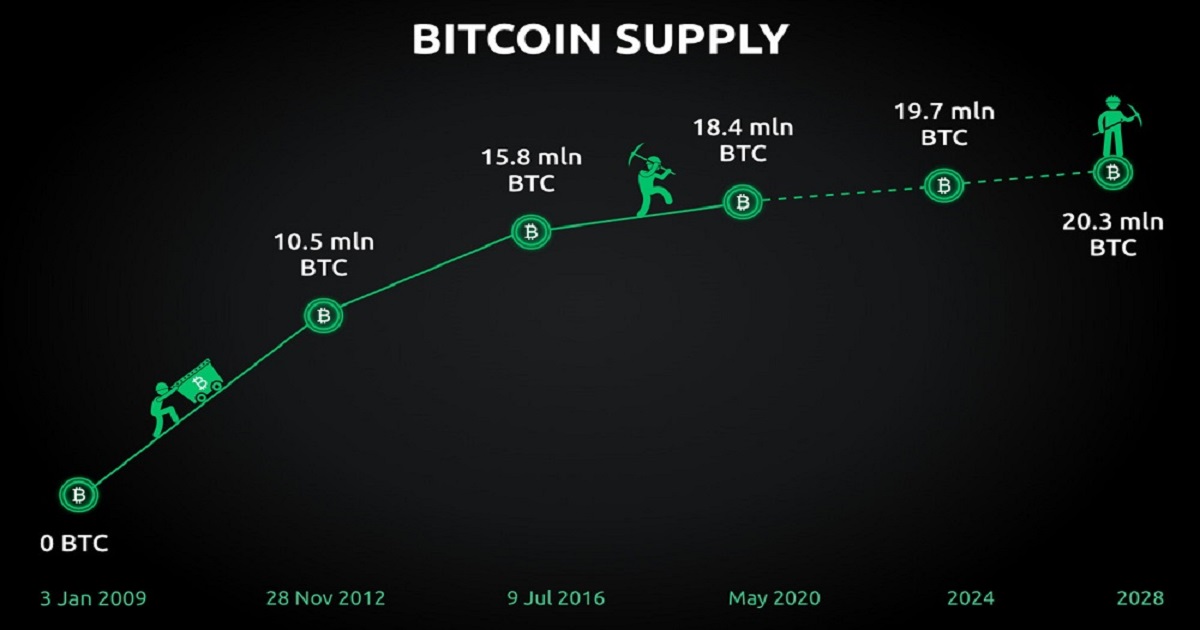
Miners are integral to Bitcoin's network, and their decisions play a significant role in determining transaction fees. Miners collect transaction fees as a reward for verifying and adding transactions to the blockchain. As the block reward (the number of new bitcoins generated per block) decreases over time, miners may rely more on transaction fees to incentivize their efforts. This shift can lead to higher fees, especially if block rewards are not enough to compensate for mining expenses.

How Do Layer 2 Solutions Help Reduce Bitcoin Fees?

Layer 2 solutions, such as the Lightning Network, have emerged as potential solutions to Bitcoin's high transaction fees. These systems operate on top of the Bitcoin blockchain and help reduce congestion by facilitating off-chain transactions. By offering faster and cheaper alternatives, these solutions could alleviate some of the pressure on the main Bitcoin network, reducing the overall cost of transactions.

Conclusion

Bitcoin's transaction fees are influenced by a range of factors, from network congestion and block size limitations to the role of miners and transaction priorities. While these fees can fluctuate, innovations like Layer 2 solutions offer hope for reducing costs in the future. Users must stay informed about these dynamics to better manage their transactions and avoid high fees during peak periods.

Why Are Bitcoin Fees So High? What Contributes to Bitcoin's Transaction Costs? - I hope this article was informative.


Disclaimer: The information on this page may have been obtained from third parties and does not necessarily reflect the views or opinions of BitKan. This content is provided for general informational purposes only, without any representation or warranty of any kind, nor shall it be construed as financial or investment advice. BitKan shall not be liable for any errors or omissions, or for any outcomes resulting from the use of this information. Investments in digital assets can be risky. Please carefully evaluate the risks of a product and your risk tolerance based on your own financial circumstances. Products mentioned in this article may not be available in your region.

Related Articles

  • Crypto Trading Bots: What Are They and How Do They Work?

    Crypto Trading Bots: What Are They and How Do They Work?

    A crypto trading bot is a software application designed to automate the process of buying and selling digital assets, acting as an interface between the user and a cryptocurrency exchange.
    Cornell Rachel
    Jun 26, 2026
  • What Is Rehypothecation Risk in Crypto? How to Protect Yourself

    What Is Rehypothecation Risk in Crypto? How to Protect Yourself

    Rehypothecation is a practice where a lending platform takes collateral pledged by its clients and uses it for its own purposes.
    James Dean
    Jun 17, 2026
  • What Are Crypto Prediction Markets? A Complete Guide for Beginners

    What Are Crypto Prediction Markets? A Complete Guide for Beginners

    Crypto prediction markets are peer-to-peer decentralized financial platforms where participants trade contracts tied to the outcomes of real-world events, such as elections, sports, or economic data releases.
    Jun 12, 2026

Latest Articles

Crypto Basics

Tutorials

Currencies

Investing

  • Crypto Trading Bots: What Are They and How Do They Work?

    Crypto Trading Bots: What Are They and How Do They Work?

    A crypto trading bot is a software application designed to automate the process of buying and selling digital assets, acting as an interface between the user and a cryptocurrency exchange.
    Cornell Rachel
    Jun 26, 2026
  • What Are Appchains? How Do Application-Specific Blockchains Work?

    What Are Appchains? How Do Application-Specific Blockchains Work?

    Appchains are blockchains built to support a single application, providing dedicated resources instead of competing for block space with other decentralized applications.
    Jerry McNeill
    Jun 25, 2026
  • What Is Chain Abstraction? What Are the Advantages and Challenges?

    What Is Chain Abstraction? What Are the Advantages and Challenges?

    Chain abstraction is a design approach that decouples the user experience from the fragmented underlying blockchain infrastructure.
    Hallie Gill
    Jun 25, 2026
  • What Are Modular Blockchains? How Do They Scale Networks?

    What Are Modular Blockchains? How Do They Scale Networks?

    A modular blockchain is a specialized network that delegates specific functions to external layers rather than handling them all locally.
    Cornell Rachel
    Jun 25, 2026
  • What Are Short Liquidations? How Can Traders Prevent Them in Crypto?

    What Are Short Liquidations? How Can Traders Prevent Them in Crypto?

    A short liquidation is a mandatory event within derivatives markets where a cryptocurrency exchange automatically closes a leveraged short position.
    Cornell Rachel
    Jun 22, 2026
View more data 

Content

BTCBTC(BTC)
$0
--(Last 24h)
SpotFutures

Top

View more
  1. 1How To Sign Up For A BitKan Account (Web)?
  2. 2When Is Bitcoin Halving 2024? What Does Bitcoin Halving Do?
  3. 3What is Etherscan Used For and How to Find Token Decimal on Etherscan
  4. 4What is USDC used for? Why is USDC used?

Top Gainers

View more
Adventure Gold
Adventure GoldAGLD

$0.2213

+78.32%
Audiera
AudieraBEAT

$2.5636

+29.33%
Bella Protocol
Bella ProtocolBEL

$0.1918

+24.06%
Wiki Cat
Wiki CatWKC

$0.0000000733

+21.97%
BNB Attestation Service
BNB Attestation ServiceBAS

$0.0525

+20.31%

Top Trending

View more
AAVE
AAVEAAVE

$95.8600

+16.62%
Audiera
AudieraBEAT

$2.5636

+29.33%
Block Street
Block StreetBSB

$0.3146

+2.49%
Binance Coin
Binance CoinBNB

$568.140

+1.40%
Solana
SolanaSOL

$71.8300

+6.97%

Recently added

View more
Nesa
NesaNES

$0.1922

-4.24%
Arcium
ArciumARX

$0.2671

+6.46%
Ambire AdEx
Ambire AdExADX

$0.0566

+1.43%
Re
ReRE

$0.5616

-4.21%
o1 exchange
o1 exchangeO

$0.4508

-18.89%

Latest News

View more
  1. 1Invesco Files for Tokenized Fund to Back Stablecoin Reserves
  2. 2Spark and Uniswap Target $4T Market with New FX Infrastructure
  3. 3Ethereum Foundation to Cut Budget by 40% in Major Restructuring
  4. 4Japan Regulators Greenlight Ripple’s RLUSD Stablecoin Launch
  5. 5Uniswap Soars 22% as Altcoins Rally While Bitcoin Stalls
About Us
  • About BitKan
  • Contact Us
  • Announcements
  • VIP Program
  • BitKan Ambassador
  • Institutional Services
Products
  • Spot
  • Futures
  • Crypto Prices
  • Learn
  • News
  • Markets
  • How to Buy Crypto
  • BTC to USD Calculator
  • Reward
Help
  • Help Center
  • Email Us
  • Live Chat
  • Download APP
  • Listing Application
  • Buy Bitcoin
  • Buy Ethereum
  • Buy Dogecoin
  • Buy Altcoins
Terms
  • Terms of Use
  • Privacy Policy
  • Trading Rules
  • Fee
K-Site
English
About Us
+
  • About BitKan
  • Contact Us
  • Announcements
  • VIP Program
  • BitKan Ambassador
  • Institutional Services
Products
+
  • Spot
  • Futures
  • Crypto Prices
  • Learn
  • News
  • Markets
  • How to Buy Crypto
  • BTC to USD Calculator
  • Reward
Help
+
  • Help Center
  • Email Us
  • Live Chat
  • Download APP
  • Listing Application
  • Buy Bitcoin
  • Buy Ethereum
  • Buy Dogecoin
  • Buy Altcoins
Terms
+
  • Terms of Use
  • Privacy Policy
  • Trading Rules
  • Fee
K-Site
+
  • Twitter
  • Facebook
  • Telegram
  • YouTube
  • Instagram
  • Medium
  • Linkedin
@2012-2026 BITKAN.com