Bitcoin, the world's first and most popular cryptocurrency, has been heralded for its potential to revolutionize the financial industry. However, its adoption also comes with significant challenges, primarily concerning transaction fees. Why are Bitcoin fees so high, and what factors contribute to these costs? This article explores the underlying reasons behind the high fees associated with Bitcoin transactions and how they affect users.
What Determines the Transaction Fees in Bitcoin?
Bitcoin fees are determined by several factors, but the primary driver is network congestion. The Bitcoin network can only handle a limited number of transactions per block, approximately every ten minutes. As more people use Bitcoin, the demand for block space exceeds what is available, leading to higher fees as users compete to have their transactions processed quickly.
Another factor is the data size of the transaction itself. Bitcoin transactions vary in size depending on the number of inputs and outputs. Larger transactions require more space in a block, thus incurring higher fees. This variable size is crucial because it directly influences how much a user will pay to execute a transaction.
Why Do Fees Fluctuate So Much?
Bitcoin fees can fluctuate wildly due to the volatile nature of the demand for block space. During periods of significant trading activity, such as price rallies or market crashes, users are willing to pay more to expedite their transactions. This urgency leads to a surge in fees as users bid against each other for prioritization in the next block.
Seasonal trends and geopolitical events can also impact fees. For example, regulatory announcements or macroeconomic developments that influence Bitcoin's perceived stability can lead to increased transaction volume, pushing fees higher as more users engage with the network.
How Do Miners Influence Bitcoin Fees?
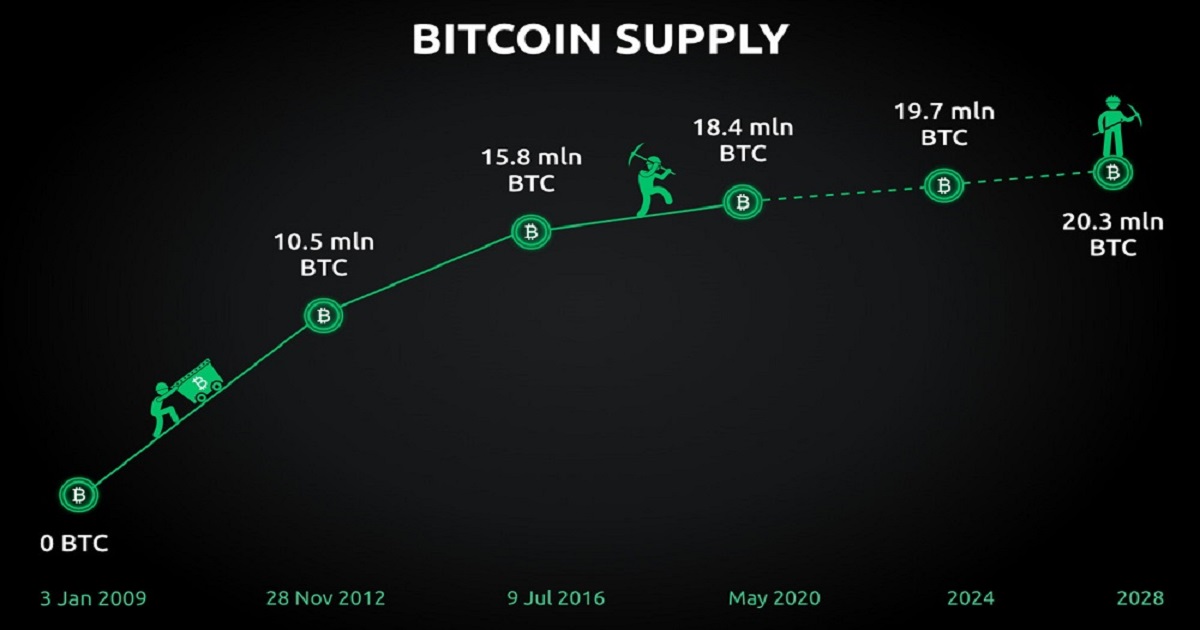
Miners play a critical role in the Bitcoin ecosystem by confirming transactions and securing the network. They prioritize transactions with higher fees because their income constitutes these transaction fees and the block rewards. As the block reward continues to halve approximately every four years, miners increasingly rely on transaction fees as a source of revenue. This reliance on fees incentivizes miners to prioritize those transactions that include higher fees, contributing to the overall cost increases.
Can High Fees Affect Bitcoin's Adoption?
High transaction fees pose a significant barrier to Bitcoin's adoption as a daily transaction medium. While ideal for larger transfers where security and decentralization are paramount, high fees can make Bitcoin impractical for small, everyday purchases. This limitation could hinder its broader acceptance, confining its use primarily to a store of value or investment asset rather than a currency for regular use.
Conclusion:
The high fees associated with Bitcoin transactions are influenced by network congestion, transaction size, miner preferences, and external economic factors. These fees not only affect how Bitcoin is used but also challenge its scalability and mass adoption as a digital currency. As the community continues To seek improvements, such as the Lightning Network and other scaling solutions, the hope is that these innovations will lead to reduced fees and enhanced usability for all Bitcoin users.
Why Are Bitcoin Fees So High? Why Do Fees Fluctuate So Much? - I hope this article was informative.